Winter is a season that gives every vehicle owner cause for concern. Cold weather introduces a host of potential problems for your engine, and freezing ranks among the most serious. This is precisely why engine coolants — antifreeze in particular — become so critical during colder months. This fluid serves as your vehicle's shield against harsh winter conditions. But what exactly makes it so effective? Below, we examine how antifreeze works and why it matters for every type of engine.
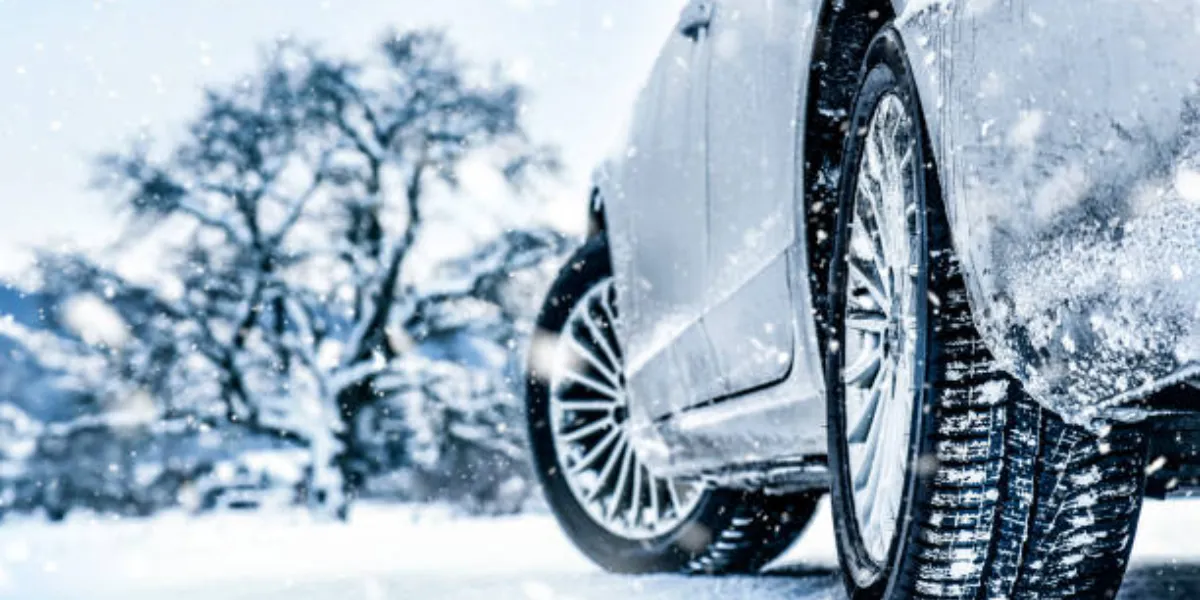
Antifreeze is a year-round engine guardian, but its value peaks in winter. Its primary function is to keep the cooling system from freezing when temperatures fall below zero. This matters greatly because water expands as it freezes, and that expansion can inflict serious damage on engine components. Cracked parts require replacement — a costly and avoidable outcome. Antifreeze addresses this by depressing the freezing point of engine coolant, keeping it in a liquid state as it circulates through the engine. The result is stable, optimal engine temperature with no risk of freeze-related damage.
Antifreeze does more than just combat freezing. Premium Valvoline antifreeze is formulated with additives that enhance heat transfer and suppress boiling, delivering reliable performance even under the harshest weather conditions.
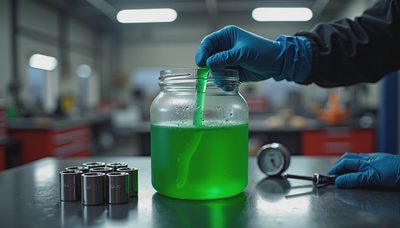
Although 'antifreeze' and 'coolant' are often treated as synonyms, the two terms refer to different things. Antifreeze is a concentrated formula designed to prevent the engine's cooling system from either freezing or overheating. Mixed with water — typically at a 50:50 ratio for peak effectiveness — it becomes engine coolant. This mixture serves dual purposes within the cooling system:
It guards against both freezing cold and excessive heat during operation. Quality coolants commonly incorporate chemical agents that defend against corrosion, enhance thermal conductivity, and sustain the coolant's pH balance. Monitoring and maintaining the correct antifreeze-to-water ratio on a consistent basis is essential.
Beyond temperature regulation, antifreeze performs additional protective duties. Water in the cooling system can promote rust and corrosion on engine components. High-grade antifreeze solutions containing corrosion inhibitors work to eliminate this buildup over time. Scale is another concern worth addressing. This visible deposit of calcium and magnesium — left behind by circulating water — gradually diminishes cooling system efficiency. While scale formation is a natural process that cannot be fully prevented, consistent antifreeze maintenance and timely refilling can keep both corrosion and scale accumulation to a minimum.
Antifreeze clearly prevents freezing, but its role in preventing overheating is equally important — and far less obvious from the name alone. Overheating can occur even in winter conditions. Heavy engine loads, a vehicle stuck in deep snow, or faulty components can all trigger overheating regardless of the ambient temperature. This is particularly relevant for modern engines, which typically run hotter than older designs in order to meet emissions requirements. Antifreeze helps sustain the engine within an optimal temperature range, supporting both efficiency and long-term durability. It draws heat away from the engine and releases it via the radiator. A properly balanced coolant mixture optimises this heat exchange, keeping the engine running smoothly and efficiently no matter what the weather brings.
Routine upkeep of your engine's coolant system is non-negotiable. The protective properties of coolant degrade over time, potentially leading to increased corrosion, reduced heat dissipation, and ultimately engine failure. Check your coolant level and condition regularly, and flush and replace antifreeze according to your vehicle's maintenance schedule. This ensures the coolant continues to defend against both temperature extremes and corrosive processes. If you are unsure how frequently to change these fluids, consult your mechanic or reach out to Valvoline — their team is always ready to provide guidance. You can also use the Lubricant Advisor from Valvoline to find the right product by entering your vehicle's type and make and receiving tailored recommendations.
The importance of engine coolants and antifreeze during winter should never be underestimated. Together, these components keep your engine functioning reliably in the face of freezing temperatures. Committing to regular maintenance and developing a solid understanding of these fluids will yield immediate advantages and support the long-term resilience of your vehicle. As the temperature falls, keep in mind that Valvoline is there to help you maintain a healthy coolant system — your most reliable line of defence against winter's demands.