Use the Correct Red Line Gear Oil to Protect Your Differential and Avoid Costly Rebuilds
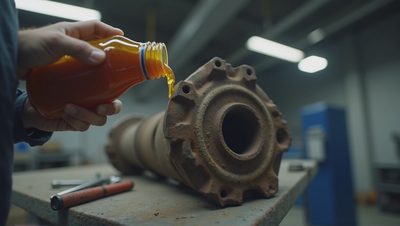
Let's start with the basics and build from there. Your differential is a critical component that transfers power from the engine to your wheels while allowing them to rotate at different speeds during turns. Inside this sealed housing, gears mesh under immense pressure. If the lubrication fails, metal-on-metal contact occurs, leading to rapid wear, noise, and eventual catastrophic failure. Replacing a differential can cost upwards of $4,000. Using the correct synthetic gear oil with the right additives is your first line of defense. Red Line provides specific formulations designed to protect these systems, but selecting the right product requires understanding the technical specifications and your vehicle's unique requirements.
Why This Matters
Gear oil does more than just lubricate; it protects under extreme conditions. Differentials generate high heat and subject gears to massive loads, especially during acceleration or towing. Standard oils can break down under this stress, leading to increased friction and wear. Red Line synthetic gear oils are engineered with extreme pressure additives that form a protective sacrificial layer on gear surfaces, preventing scuffing and pitting. Additionally, many vehicles use limited-slip differentials to improve traction. These systems rely on clutch packs that require specific friction modifiers to engage smoothly. Using the wrong fluid can cause "chatter," a violent shaking sensation that damages the differential internals. Selecting the proper Red Line formulation ensures ultimate protection for both road cars and racing vehicles, preserving your investment and safety.
What You Need to Know
Before you buy, you must understand the terminology and specifications. Red Line offers distinct products based on viscosity and additive packages.
*System Diagram: Fluid Selection Logic*
[Imagine a flow chart: Start > Check Manual for GL Rating > Check for Limited-Slip > Match Viscosity > Select Product.]
GL-5 Classification: This is a service classification indicating the oil meets high-performance standards for hypoid gears. GL-5 oils contain higher levels of extreme pressure additives compared to older GL-4 oils. Red Line gear oils meet the GL-5 standard.
Extreme Pressure (EP) Additives: Chemical compounds that react with metal surfaces under high heat and pressure to create a protective film. This prevents gear teeth from welding together or scoring during heavy loads.
Friction Modifiers: Additives that control the coefficient of friction. They are essential for limited-slip differentials to ensure clutch packs engage smoothly without vibration. Red Line gear oils contain friction modifiers for proper limited-slip operation, with one critical exception noted below.
NS Exception: The source content specifies that Red Line products contain friction modifiers *except* for the NS formulation. If you encounter an NS variant, it lacks these modifiers and is not suitable for limited-slip applications.
Product Specifications from Source:
- 75W85 GL-5 Gear Oil: This is a fuel-efficient gear oil. It includes a friction modifier. The source explicitly lists this oil for use in Toyota and Lexus vehicles. The "85" indicates a slightly lower operating viscosity compared to 90-weight oils, reducing drag and improving efficiency.
- 75W90 GL-5 Gear Oil: This is described as the go-to gear oil for most differentials. It is a versatile, general-purpose synthetic that meets the demands of a wide range of vehicles.
How It Works
Applying this knowledge means matching your vehicle to the correct fluid. Let's build the selection process step by step.
1. Consult Your Owner's Manual: Always verify the required viscosity grade and GL rating. Never assume; manufacturer specifications are the authority.
2. Identify Your Differential Type: Determine if your vehicle has a limited-slip differential. If yes, you must use a fluid with friction modifiers.
3. Select the Red Line Product:
- *For Toyota or Lexus:* Choose the 75W85 GL-5 Gear Oil. This formulation is fuel efficient and includes the necessary friction modifier for limited-slip operation.
- *For General Applications:* Choose the 75W90 GL-5 Gear Oil. This is the standard choice for most differentials requiring GL-5 protection.
4. Check for NS Variants: If you see an NS designation, ensure your application does not require friction modifiers. Using NS oil in a limited-slip unit will cause chatter and damage.
*Pro Tip:* Warm the engine for 5 minutes before draining the differential. Cold fluid is thicker and does not drain fully, leaving old contaminants behind. A slightly warm differential ensures a complete drain.
*Quick Quiz:* What is the primary function of friction modifiers in gear oil?
*Answer:* Friction modifiers ensure proper limited-slip operation by preventing clutch pack chatter and ensuring smooth engagement.
Common Mistakes
Even experienced DIYers can make errors when servicing differentials. Here are the pitfalls to avoid.
Ignoring the NS Exception: Despite what forums may suggest, you must pay attention to the NS designation. If your manual calls for friction modifiers and you use an NS variant, you risk immediate chatter. Red Line oils generally include friction modifiers, but the NS exception exists for specific applications that do not require them.
Using the Wrong Viscosity: Viscosity refers to how thick the oil is at a given temperature. Using a 90-weight oil where an 85-weight is specified can increase drag and reduce fuel efficiency. Conversely, using 85 where 90 is required may not provide sufficient film strength under load. Always match the grade specified by the manufacturer.
Overlooking GL Ratings: Do not substitute gear oil with engine oil or automatic transmission fluid. GL-5 gear oils are formulated for the specific shear forces and pressures found in gear meshes. Using the wrong fluid type will lead to rapid wear.
Skipping the Fill Check: After changing the fluid, ensure you fill to the correct level. Underfilling exposes gears to air, causing overheating and wear. Overfilling can cause pressure buildup and seal leaks.
Bottom Line
Protecting your differential starts with using the correct synthetic gear oil. Red Line offers robust GL-5 formulations with extreme pressure additives and friction modifiers to handle the demands of modern differentials. For Toyota and Lexus applications, the 75W85 GL-5 Gear Oil provides fuel efficiency with essential limited-slip protection. For most other vehicles, the 75W90 GL-5 Gear Oil serves as the reliable go-to option. Always verify your vehicle's requirements, avoid NS variants in limited-slip units, and follow manufacturer maintenance intervals. Doing so prevents chatter, extends component life, and saves you from expensive repairs.