A transmission problem can turn a dependable daily driver into a repair bill of $2,000 to more than $6,000. Understanding the causes of transmission failure helps you recognize trouble while a fluid service or small repair can still prevent major damage. Let’s start with the basics and build from there. Your transmission transfers engine power to the wheels while allowing the vehicle to change speed smoothly. Automatic, manual, and continuously variable transmissions use different components, but all depend on correct lubrication, controlled heat, and proper adjustment.
What the transmission does before it fails
An automatic transmission uses gears, clutches, hydraulic passages, and electronic controls. Transmission fluid, often called ATF, is a specially formulated hydraulic fluid that transfers pressure and lubricates moving parts. When you select Drive, the transmission control system directs fluid pressure to engage a clutch pack. A clutch pack is a group of friction discs that locks selected gears together.
A manual transmission uses a driver-operated clutch and a gear set. Its lubricant does not perform exactly the same hydraulic job as automatic transmission fluid. A CVT, or continuously variable transmission, uses pulleys and a steel belt or chain to provide a continuous range of ratios instead of fixed gears. Using the wrong fluid in any design can cause slipping, noise, or accelerated wear.
The most common causes of transmission failure begin with a basic imbalance: too much heat, too little lubrication, contaminated fluid, or excessive mechanical load. The failure often develops over months, even though the final symptom appears suddenly.

Low, old, or incorrect transmission fluid
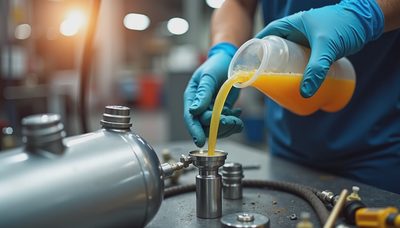
Low fluid is one of the most preventable causes of transmission failure. A leaking cooler line, axle seal, pan gasket, or transmission case can gradually remove the fluid needed to maintain hydraulic pressure. With less fluid available, the pump may draw air. That creates delayed engagement, slipping, or a harsh shift because the clutches are not being applied with consistent pressure.
Old fluid can also lose its ability to protect components. Heat and friction break down its additives, while clutch material and metal particles contaminate the fluid. A healthy fluid color depends on the design, but burnt odor, dark discoloration, or visible debris deserves attention. Do not simply add fluid without finding the leak. A quart of ATF might cost $10 to $20, while ignoring the leak can lead to a rebuild costing several thousand dollars.
Incorrect fluid is equally serious. A traditional automatic transmission, a CVT, and a dual-clutch transmission may require different formulations. Check the owner’s manual or the service information for the exact specification, not just a generic bottle label.
Heat and cooling system problems
Heat is another major factor in the causes of transmission failure. Fluid lubricates parts, but it also carries heat away from clutch packs and gear sets. Many vehicles send transmission fluid through a cooler inside the radiator or through a separate external cooler. If the radiator is restricted, the cooler line is damaged, or the cooling system is running too hot, transmission temperature can rise beyond what the fluid and seals can tolerate.
Heavy towing, stop-and-go traffic, steep mountain roads, and repeated hard acceleration create additional heat. A small SUV pulling a trailer near its maximum rating can produce much more transmission stress than the same SUV commuting alone. Overheated fluid may smell sharply burnt and turn brown or nearly black. Some newer vehicles display a transmission temperature warning, but many do not give the driver a direct temperature reading.
If overheating occurs, continuing to drive can turn a fluid service into a clutch, valve body, or torque converter repair. Let the vehicle cool safely, then arrange a diagnostic inspection rather than guessing.
Driving habits and mechanical overload
Aggressive launches, frequent towing above the vehicle’s rating, and shifting between Reverse and Drive before the vehicle stops place severe loads on transmission components. These habits do not guarantee immediate failure, but they shorten the service life of clutches, gears, mounts, and bearings. A transmission also works harder when a vehicle has oversized tires, performance modifications, or an engine producing substantially more torque than the original design expected.
In a manual car, resting a foot on the clutch pedal can partially disengage the clutch. That creates heat and wear in the release bearing and friction disc. Holding the vehicle on a hill with the clutch instead of the brake has a similar effect. In an automatic, selecting Neutral at a stop is usually unnecessary; steady brake pressure is the normal operating method.
These are practical causes of transmission failure because they change the force and temperature conditions inside the system. Smooth inputs, correct towing technique, and complete stops before changing direction reduce unnecessary stress.
Electrical faults, sensors, and neglected maintenance
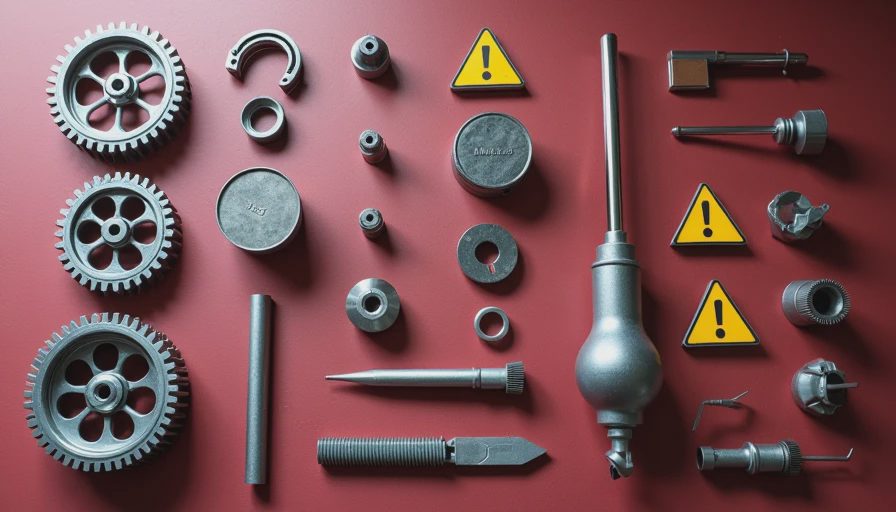
Modern transmissions depend on electronic controls. A speed sensor measures how fast a shaft is turning, while solenoids are electrically controlled valves that regulate fluid pressure. A failed sensor, damaged wiring connector, weak battery, or software fault can produce harsh shifting or leave the transmission in a protective mode called limp mode. Limp mode limits available gears so the vehicle can reach a repair facility without continued aggressive operation.
An electrical problem does not always mean the transmission itself is mechanically destroyed. A scan tool can retrieve diagnostic trouble codes and help separate a sensor fault from internal wear. That is why replacing a transmission based only on a warning light is an expensive mistake. Start with a fluid inspection, a road test, a wiring check, and a scan of the control modules.
Maintenance requirements also vary. Some manufacturers specify a fluid change at 30,000 to 60,000 miles under severe use, while others use longer intervals or call for special procedures. A drain-and-fill is not always the same as a complete exchange, and some CVTs require a precise fluid level check at a particular temperature.
Warning signs and the right next step
Early symptoms include delayed engagement after selecting Drive, slipping during acceleration, shuddering at a steady speed, whining, grinding, fluid beneath the vehicle, or a sudden change in shift quality. A shudder is a rapid vibration that can feel like driving over closely spaced rumble strips. It may come from fluid friction characteristics, a torque converter problem, or another driveline issue.
Write down when the symptom occurs: cold or hot, uphill or level, during acceleration or braking, and in which gear. That information helps a technician reproduce the condition. Look for fresh leaks, but never crawl under a vehicle supported only by a jack. Do not continue driving if the transmission will not engage, makes loud grinding noises, or produces smoke.
The causes of transmission failure are easier to control when you respond to the first warning instead of the final breakdown. A $150 to $300 diagnostic visit can identify a leak, sensor, or service issue before it becomes a $4,000 replacement decision. If internal damage is suspected, request a written explanation of the failed component, fluid condition, testing performed, and warranty coverage.
Quick Quiz and final review
Quick Quiz: What does low fluid do inside an automatic transmission? It can allow the pump to draw air and reduce hydraulic pressure, leading to slipping or delayed clutch engagement. Why does heat matter? Excessive temperature damages fluid additives, seals, and friction material. Can every shifting problem be blamed on worn gears? No. Sensors, solenoids, wiring, fluid level, and software can create similar symptoms.
System Diagram reference: Picture the power path as engine, torque converter or clutch, transmission gear set, driveshaft or axle shafts, and wheels. Fluid pressure controls engagement inside the transmission, while sensors and the control module decide when and how that pressure changes. If you remember one concept from this post, make it this one: protect the fluid and control the heat. Those two steps address many causes of transmission failure before the damage becomes permanent.
Schedule a diagnostic check when symptoms first appear, use the exact specified fluid, and keep records of services and leaks. A careful owner does not need to become a transmission engineer, but learning the cause-and-effect chain can protect both the vehicle and the household budget.


No letters yet — be the first to write.