Does motor oil expire is a fair question if you found a dusty quart in the garage and do not want to gamble with your engine. The short answer is yes, but not in the dramatic way people imagine. Motor oil is a blend of base oil and an additive package, and both parts can age. Let's start with the basics and build from there: the oil in a sealed container ages slowly, while opened oil faces oxygen, moisture, and contamination sooner. That matters because oil is not just slippery liquid. It controls friction, carries heat away from moving parts, and helps keep sludge from building up in the engine.
When does motor oil expire in real life?
A good way to think about shelf life is to separate the bottle from the engine. In the bottle, the main enemies are heat, air, and light. In the engine, the oil deals with combustion byproducts, fuel dilution, and repeated high temperatures. The word oxidation means the oil reacts with oxygen and slowly changes structure. That can thicken the oil, weaken additives, and reduce its ability to protect metal surfaces.
System Diagram reference: picture three boxes on a whiteboard. The first box is the sealed jug on a shelf. The second is the opened bottle with a loose cap. The third is the crankcase inside the engine. Arrows from heat, air, and moisture point at each box, but the arrows are strongest on the opened bottle and the engine. That is the key concept. A sealed jug stored in a cool closet is living a very different life from oil that has been open in a hot garage for two summers.
If you remember one concept from this post, make it this one: the engine is much harsher on oil than the shelf is, but the shelf still matters.
What a sealed bottle can usually handle
For unopened oil, the shelf life is often longer than most drivers expect. Many conventional and synthetic oils are fine for several years if they are kept sealed, upright, and out of direct sun. Some brands print a date code or a manufacturing code on the bottle, which is useful if you are trying to judge age. In normal home storage, a one- or two-year-old jug is rarely a problem, and even older bottles are often usable if they still look clean and smell normal.
The practical rule is simple: cool, dry, and closed beats hot, humid, and open. A basement shelf is usually better than a metal shed that bakes in August and freezes in January. Brands like Mobil 1, Pennzoil, Castrol, and Valvoline all sell products in plastic jugs that are meant to sit on store shelves before you buy them. That tells you something important about stability: good oil is built to tolerate storage, but not abuse.

What changes after you open the bottle
The short answer to does motor oil expire is yes, and opening the container starts the clock faster. Once the cap comes off, the oil can pick up moisture from the air and tiny bits of dust. Moisture is especially important because water and oil do not mix well, and water contamination can cause haziness or separation. If you see a cloudy layer, gritty debris, or a strong sour smell, do not pour that into a modern engine and hope for the best.
A quart that was opened, used once, and recapped tightly is usually still fine for a long time. A bottle that sat half-full in a hot shed with the cap loose is a different story. The risk is not that the oil magically turns poisonous. The risk is that the additive package no longer performs like fresh oil. Detergents help suspend contaminants, anti-wear additives protect surfaces, and viscosity modifiers help the oil hold the right thickness. Viscosity means resistance to flow, so if the oil has changed enough to flow strangely or separate, that is a warning sign.
If you are unsure, compare the saved bottle with a fresh one of the same grade. If the old oil looks darker but still smooth and uniform, that is normal. If it looks lumpy, stringy, or contaminated, recycle it instead of using it.
How to store oil so it lasts longer
Good storage habits are easy and cheap. Keep the cap tight, store the jug upright, and set it where temperature swings are modest. A garage shelf near the water heater or a window is a poor choice. A sealed plastic tote on a stable shelf is better. You do not need laboratory conditions, but you do want to avoid repeated heat cycling. Heat cycles make plastics expand and contract, and that can slowly stress the seal.
Another smart habit is to buy oil close to when you plan to use it. A five-quart jug of common full synthetic oil often runs about $25 to $45, while single quarts are often $7 to $12. That is not huge money, but it is still money. If you are shopping before a weekend oil change, fresh stock from a busy store is usually the easiest answer. For do-it-yourself drivers, the real savings usually come from avoiding mistakes, not from hoarding oil for years.
When to toss it and buy fresh
If the oil is clearly contaminated, if the seal was broken for a long time, or if the bottle has sat in extreme heat for years, recycle it and start over. The cost of fresh oil is small compared with an oil-starved engine or a clogged turbocharger feed. This matters even more on newer engines that run tighter clearances and rely on the right viscosity grade, such as 0W-20 or 5W-30, to protect bearings and variable valve timing parts.
The biggest mistake I see is treating old oil like canned beans. It is not a forever product. It is a chemical fluid with a purpose, and purpose fades when storage gets sloppy. If you are looking at a bottle and debating whether it is worth the risk, the answer is usually no. Take it to a parts store or local recycling center that accepts used motor oil, then buy a fresh jug and move on.
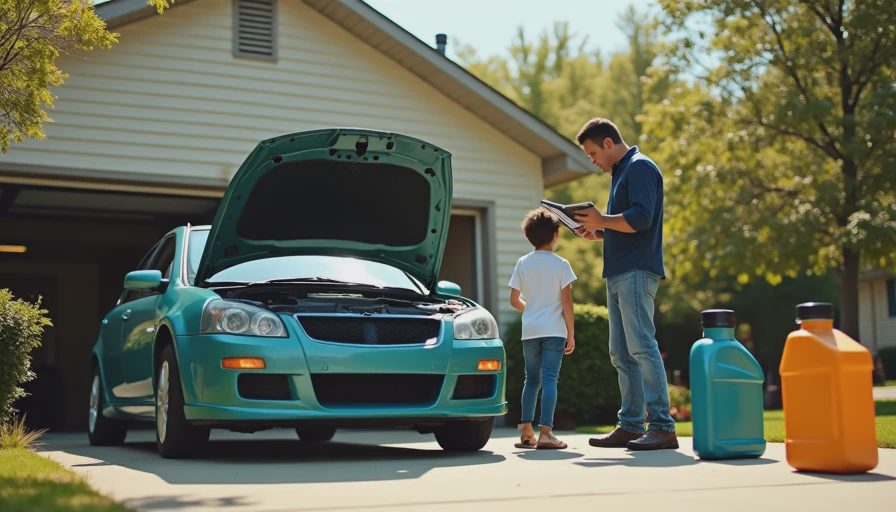
Quick Quiz and the take-home rule
Quick Quiz: What ages oil faster, a sealed jug in a closet or an opened bottle in a hot garage? Which matters more for a saved quart, heat or dust? What is the safest sign that old oil should be recycled rather than reused? If you answered opened bottle, heat, and contamination, you are thinking like a technician.
So, does motor oil expire? Yes, but the shelf life is usually long enough that most drivers never need to worry about a normal sealed jug. Store it cool, keep it closed, and inspect it before use. If you want the simple classroom rule, this is it: fresh, sealed, and properly stored oil is cheap insurance for your engine, while sketchy old oil is a shortcut that saves very little and risks a lot.

No letters yet — be the first to write.