If you are looking at prolube oil treatment, you are probably trying to solve one of three problems: a noisy engine, a small seepage issue, or the feeling that your oil just is not doing enough between changes. Let's start with the basics and build from there. An oil treatment is an additive mixed into engine oil to change how that oil flows, clings, or conditions seals. That sounds simple, but the details matter because the lubrication system is a circuit: oil sits in the pan, the pump moves it, passages deliver it, and bearings and cam surfaces depend on the film that reaches them.
What the bottle is really promising
In plain English, an oil treatment can do one or more of three things. It can raise viscosity, which means resistance to flow. It can add seal conditioners, which are chemicals aimed at rubber parts that have hardened with age. Or it can add friction modifiers and detergents that change how the oil behaves under load. A product like prolube oil treatment is not a repair part, because it does not replace a gasket, a worn ring, or a clogged PCV valve. It is a chemistry shortcut that may help a healthy engine feel smoother. System Diagram reference: imagine the oil path from sump to pump to filter to galleries to bearings; anything that slows flow or masks a real fault affects the whole loop.
When it makes sense, and when it does not
I consider prolube oil treatment a niche tool, not a default maintenance item. It can make sense on an older commuter with mild seepage, a lifter tick at hot idle, or a high-mileage engine that still holds pressure and passes the basic smell test: no milkshake under the cap, no blue smoke all the time, no oil pressure warning light. It does not make sense if the engine is already starving for oil, running the wrong viscosity, or showing signs of internal damage. If the check-engine light is on for misfires or the dipstick is empty, fix the cause first. A bottle cannot rescue a mechanical problem the engine already has. In other words, prolube oil treatment belongs after diagnosis, not before it.
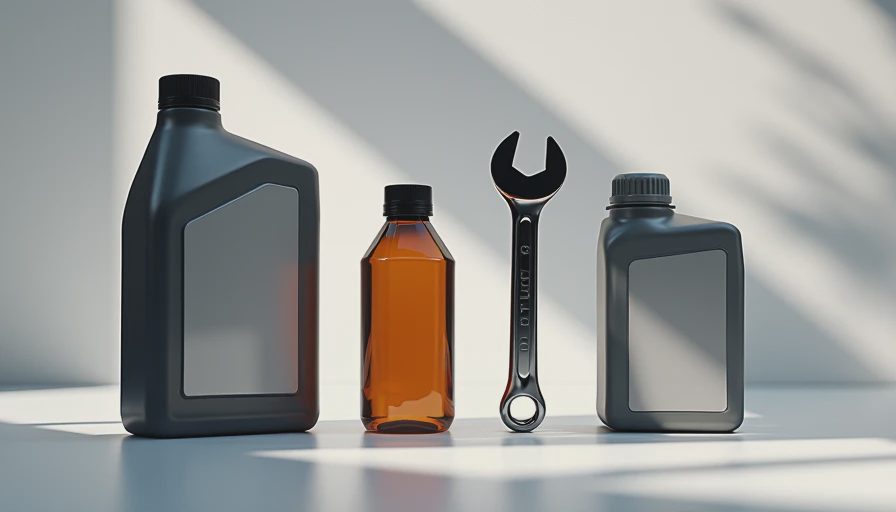
How to use it without overfilling the crankcase
The crankcase is the lower housing that stores engine oil. Before pouring anything in, check the oil level on the dipstick and read the bottle for the treatment rate. The goal is to stay at the correct total capacity, not to add a bonus quart because the label looks persuasive. Overfilling can aerate the oil, which means it gets whipped with air and loses some of its ability to protect bearings. If you are changing oil, add the treatment after the fresh oil goes in and verify the level again after a minute of idling. If you are topping off between services, use the smallest amount needed to reach the full mark, then watch it for a week. Prolube oil treatment should be part of a measured routine, not a guess.
What to watch for after the first drive cycle
After 50 to 200 miles, pay attention to sound, startup behavior, and your parking spot. A healthier engine may sound a little smoother and leave the dipstick stable. A leak that was already there might slow down if hardened seals were part of the problem, but do not confuse a slower drip with a cure. If the oil turns foamy, the level climbs above full, or the engine feels sluggish on cold starts, stop and reevaluate the chemistry in the pan. In practice, that is where prolube oil treatment either earns its keep or reveals that the issue was bigger than an additive could handle.
Better ways to spend the money if the problem is larger
A good oil change can solve more than people expect. Using the manufacturer’s viscosity grade, such as 0W-20, 5W-30, or 5W-40, often matters more than any supplement. High-mileage oils from Valvoline, Mobil 1, Pennzoil, Castrol, and Quaker State are built with seal conditioners and additive packages already balanced for passenger cars. If the issue is a leak, a valve cover gasket might run $150 to $400 on many cars, while a PCV valve, the positive crankcase ventilation valve, may cost $20 to $60 plus labor. If the engine is burning oil, compression testing and a mechanic’s inspection are better bets than another bottle. That is why I treat prolube oil treatment as a temporary aid, not the main repair plan.
A shelf test before you buy anything
When you stand in front of the parts-store shelf, read the label like an engineer, not a salesperson. First, make sure the product is intended for gasoline passenger vehicles and not a specialty use you do not need. Second, check whether it is meant for conventional oil, synthetic oil, or both. Third, look at the treat rate and ask whether the bottle size matches your sump capacity. A small four-cylinder that holds about 4.5 quarts does not need the same treatment volume as a truck with a 7-quart pan. Fourth, compare the cost against a simple oil service, which often lands somewhere around $40 to $90 at a quick-lube or parts-store level if you do it yourself with quality oil and a filter.
Quick Quiz and a simple decision rule
Quick Quiz: If the engine is low because of a gasket leak, does an additive replace the gasket? No. If the engine is making cold-start noise because the oil is too thick for winter, should you thicken it more? No. If an older engine is healthy but a little noisy, is a carefully measured treatment a reasonable experiment? Yes, as long as you monitor the level and the response. If you remember one concept from this post, make it this one: chemistry can support a sound engine, but it cannot rebuild one. If you want the shortest answer, use prolube oil treatment only when you have ruled out the obvious mechanical issues and the oil grade is already correct.


No letters yet — be the first to write.