If you want to replace cvt fluid at the right time, the payoff is simple: smoother takeoff, less heat, and a better chance of avoiding a four-figure transmission bill. A CVT, or continuously variable transmission, uses pulleys and a steel belt or chain instead of fixed gears, so the fluid has to do more than lubricate. It helps create hydraulic pressure, carries heat away, and keeps the belt-and-pulley surfaces working together. Let's start with the basics and build from there. If you know what the fluid is doing, the service interval makes more sense, and the warning signs stop feeling mysterious.
What CVT fluid actually does
A good reason to replace cvt fluid is that the fluid ages faster than many drivers expect. It gets hot, picks up wear material, and slowly loses the friction behavior the transmission needs. That is different from engine oil, where the main job is lubrication. In a CVT, the fluid also helps the pulleys clamp the belt with the right force. If the fluid is wrong or degraded, the transmission can shudder, flare in rpm, or hesitate when pulling away from a stop. System Diagram reference: picture the engine, the torque converter or launch clutch, the CVT pulley set, and the final drive as one loop. The fluid has to support every step of that loop.
Signs the fluid is aging
When I teach students how to replace cvt fluid, I start with symptoms because they tell you what the transmission is asking for. Common signs include a light shudder on gentle acceleration, a buzzing or droning feel at steady speed, delayed engagement when shifting from park to drive, and darker fluid if you inspect it. A burnt smell is another warning sign, though a little discoloration alone does not prove a failure. Service history matters too. Many owners are told the fluid is "lifetime," but that usually means there is no routine top-off schedule, not that the fluid lasts forever. If the car sees stop-and-go traffic, hills, towing, or summer heat, the fluid can age quickly.
What a drain-and-fill service looks like
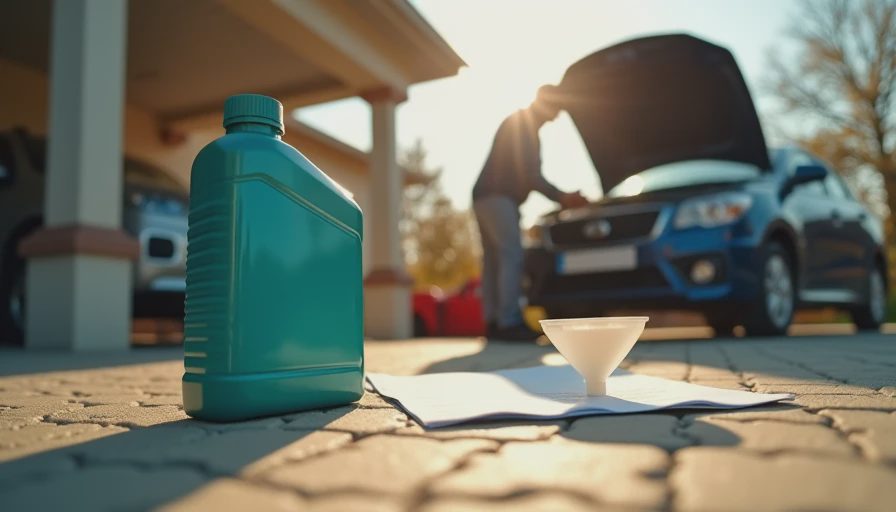
A proper CVT service usually starts with the exact fluid spec in the owner’s manual. Some cars use Nissan NS-3, others call for Honda HCF-2, Toyota CVT FE, Subaru High Torque CVT, or another approved formula. When you pay a shop to replace cvt fluid, ask exactly which bottle they will use and whether the fill level is set by temperature, dipstick, or overflow plug. Many CVTs do not have a simple dipstick, which is why this job rewards patience. A drain-and-fill removes part of the old fluid, then refills with the correct amount. That is often safer than a full power flush unless the manufacturer specifically approves a machine service. The goal is accurate level, correct fluid, and no air trapped in the system.
What it costs and what can go wrong
For many drivers, the cost is easier to handle than the risk of waiting too long. An independent shop might charge roughly $120 to $220 for a basic service, while a dealer can land closer to $180 to $350 depending on the vehicle and fluid price. DIY fluid itself may run $60 to $180 if the transmission takes several quarts and the OEM bottle is pricey. The mistake that costs the most is using the wrong fluid because it was on sale. CVT friction characteristics are specific, and a generic automatic transmission fluid is not a safe substitute unless the label and manual clearly say so. Overfilling is another problem. Too much fluid can foam, raise temperatures, and make shifting feel odd. Underfilling can starve the pump and damage internal parts fast.

Special cases: towing, heat, and higher mileage
High-heat driving shortens the interval, so some owners choose to service the transmission earlier than the schedule printed for gentle commuting. That is especially sensible if the car idles in traffic, climbs steep grades, or tows near the limit. A CVT that spent years in city traffic may benefit from fresh fluid even if it never showed a warning light. Higher mileage does not automatically mean a fluid change will hurt the transmission. In fact, fresh fluid often helps a worn unit stay consistent because the hydraulic side of the system gets cleaner and the friction package returns to spec. The key is to match the fluid to the vehicle and avoid aggressive flushing on a transmission that already shows slip, flare, or severe shudder. In those cases, the diagnosis matters more than the service.
Quick Quiz and next step
Quick Quiz: Do you know the exact fluid spec in your owner’s manual? Can you tell whether your transmission uses a drain plug, a temperature-based fill procedure, or a dipstick? Have you noticed shudder on light throttle or delayed engagement on cold mornings? If those answers are fuzzy, your next move is simple. Look up the spec, buy the right fluid, and plan the service before heat and wear stack up. The cleanest time to service a CVT is before the symptoms become part of your daily drive. If you remember one concept from this post, make it this one: the right fluid matters more than the cheapest fluid, and a careful drain-and-fill is usually better than a guess.



No letters yet — be the first to write.