Transmission failure is one of those repairs that can turn an ordinary commute into a four-figure bill, so it pays to understand the warning signs before the car leaves you stranded. Let's start with the basics and build from there. A transmission is the part that routes engine power to the wheels through gears or belts, depending on the design. When it starts to break down, the car may still move for a while, but every mile can make the repair more expensive. That is why the first clue matters more than most drivers think.
What transmission failure actually means
When I say transmission failure, I mean the gearbox can no longer do its job smoothly and reliably. In an automatic, that usually involves the torque converter, valve body, clutch packs, solenoids, and transmission fluid all working together. The torque converter is a fluid coupling that helps the engine stay running when the car stops. The valve body is the hydraulic control center that sends fluid pressure to the right clutch or gear at the right time.
System Diagram reference: picture the engine on one side, the transmission in the middle, and the drive wheels on the other side. Power has to pass through each step cleanly. If fluid is low, dirty, or overheated, pressure drops and the whole system loses control. That is why a small leak, a clogged filter, or a worn seal can show up first as a shift problem and later become a major internal repair.
A healthy transmission should shift with a steady feel, not a hard jerk or a long pause. If you notice a delay between putting the car in gear and feeling the car move, that is the system telling you something is wrong. Catching transmission failure early often means a fluid service, a gasket, or a solenoid instead of a full rebuild.
Symptoms a driver can spot early
The early signs are usually easy to feel if you know what to pay attention to. A driver may notice slipping, which means the engine revs rise but the car does not accelerate the way it should. Another common clue is harsh shifting, where the car bangs into gear instead of changing smoothly. Some vehicles hesitate when shifting from park to drive or from reverse to drive. Others make a whining, humming, or grinding sound that rises with speed.
Burnt-smelling fluid is another important clue. Fresh automatic transmission fluid is usually red or pink and has a light oily smell. If it turns dark brown, smells burnt, or looks full of fine glitter, that is a red flag. The glitter is metal wear material, and it tells you the internal parts are rubbing in a way they should not. A check-engine light can also appear, especially if a shift solenoid or sensor is involved.
One detail I always tell students: hot weather and stop-and-go traffic make weak systems show their problems sooner. If the car drives fine on a short errand but slips after a long highway run, the fluid may be thinning out under heat or the pressure system may be struggling. That pattern is useful information for a shop, so write it down before you forget.
Why it happens
There are four causes I see again and again in class and in the shop. The first is low fluid from a leak at the pan gasket, axle seal, cooler line, or the transmission itself. Fluid does not just lubricate; it also creates hydraulic pressure. Without enough pressure, the clutches cannot apply firmly.
The second cause is old or contaminated fluid. Heat breaks fluid down over time, especially if a vehicle tows, idles in traffic, or sees steep hills. Once the fluid loses its protective additives, the internals wear faster. The third cause is electronic failure, such as a bad solenoid, sensor, or wiring issue. Modern transmissions depend on computer control, so one failed component can throw off shift timing.
The fourth cause is mechanical wear. Clutch packs, bands, seals, and bearings all wear eventually, especially on higher-mileage cars. In many cases, the repair does not start with the biggest part. It starts with a cheap clue that was ignored. If fluid service on time would have cost around $150 to $250, but a rebuild now runs $2,500 to $4,500 or more, the lesson is pretty plain.
What to do before the tow truck arrives
If the car is still moving, do not keep testing it on the road. Ease off the throttle, avoid hard acceleration, and do not tow a trailer. The goal is to reduce heat and internal damage. If the transmission has a dipstick and the owner manual says it is safe to check fluid, verify the level on level ground with the engine warm and idling, using the exact procedure for that vehicle. Do not guess at the level, because an overfilled transmission can also cause trouble.
If the fluid is low, do not assume a top-off fixes everything. A leak caused the low level, and the leak still needs to be found. If the car has gone into limp mode, that is the computer protecting the hardware by limiting power and gear choice. Limp mode is not a joke; it is a warning that the control system thinks the transmission is in danger.
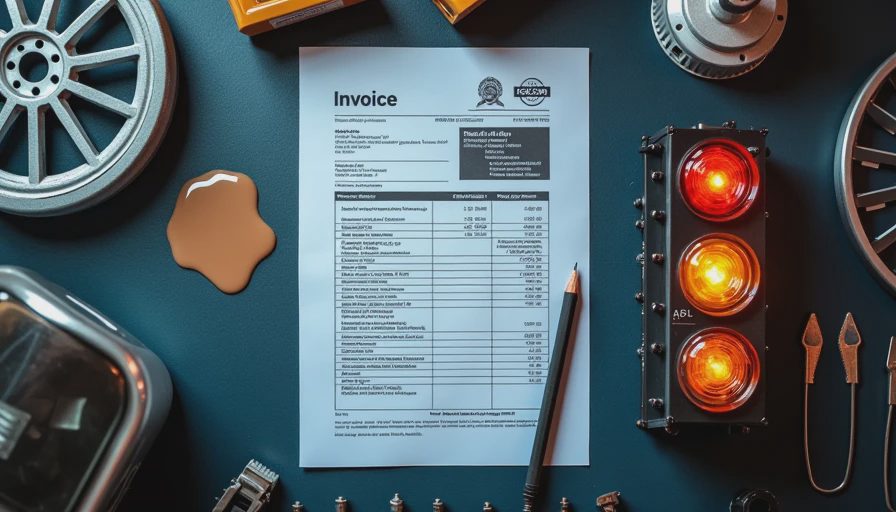
This is the point where a written diagnosis matters. Ask for a scan of transmission codes, a road test, and a check for leaks or burnt fluid. A good shop will separate a fluid issue from a valve-body issue, and that can save real money. If you are still driving, keep the trip short and get it inspected quickly.

Repair costs, coverage, and a quick quiz
Repair pricing depends on the failure point. A simple fluid and filter service can land in the low hundreds. A solenoid pack, speed sensor, or external seal repair may cost $300 to $900. A valve body or torque converter job can move into the four-figure range. A full rebuild or replacement can easily run $2,500 to $5,000, and some newer or imported vehicles cost more.
Standard auto insurance usually does not pay for wear-and-tear mechanical breakdown, including transmission failure from age or maintenance neglect. Coverage can be different if the transmission was damaged in a collision, flood, or theft-related event, and mechanical breakdown coverage or an extended warranty may help on some policies or vehicles. If the repair estimate is close to the car's market value, compare both numbers before you decide.
Quick Quiz: If the car slips more after it warms up, what does that suggest? Often fluid, pressure, or internal wear. If you smell burnt fluid, should you keep driving for another week? No. If the dash shows limp mode, what is the car telling you? It wants protection, not more stress.
If you remember one concept from this post, make it this one: catching transmission failure early is the difference between a repair you can plan for and a bill that blindsides your budget. If the symptoms are already there, get a diagnosis now, not after the next commute.
No letters yet — be the first to write.