What Causes Transmission Failure? A Driver's Guide to the Big Four Causes
A transmission is one of the most expensive parts on a car, so understanding what causes transmission failure is not just a repair lesson. It is a wallet lesson and a safety lesson. When a transmission starts slipping, delaying shifts, or making a hard clunk into gear, the problem can grow fast. Let's start with the basics and build from there. A transmission is the system that matches engine power to the wheels. In an automatic, that job depends on automatic transmission fluid, or ATF, which is the oil that lubricates, cools, and helps apply internal clutches. In a manual, gear oil does a similar job with a different design. If you know the failure path early, you can often stop a small service issue before it turns into a rebuild.
What causes transmission failure in the first place
The shortest answer is this: heat, dirty fluid, worn internal parts, and control problems. Those are the four big buckets I teach in class. Heat breaks down fluid. Dirty fluid loses its ability to protect parts. Worn parts stop holding pressure. Control problems keep the transmission from shifting the way it should. In a healthy unit, fluid pressure moves through the valve body, which is the hydraulic control center, and the clutch packs, which are stacked friction plates, engage the gears. If any part of that chain slips, the driver feels it.
System Diagram reference: imagine a loop that starts at the pan, moves through the pump, valve body, clutch packs, and cooler, then returns to the pan. If you can picture that loop, diagnosis gets much easier. A scan tool can help, but the fluid and the symptoms still tell the story first.
Heat and fluid problems usually come first
When students ask what causes transmission failure, I point first to heat. ATF is designed to run hot, but not too hot. Tow a trailer, sit in traffic on a 95-degree day, or drive with a clogged cooler, and the fluid starts oxidizing. Oxidation is a chemical breakdown that turns good fluid dark and varnish-like. Once that happens, seals harden, clutch friction changes, and pressure control gets sloppy.
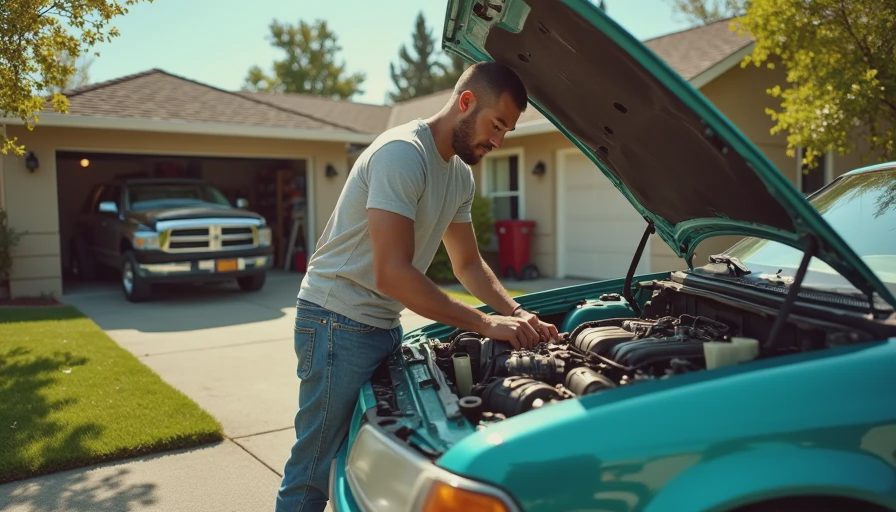
Low fluid level is just as serious. A leak at the pan gasket, cooler line, axle seal, or transmission seal can lower pressure enough to cause slip. Wrong fluid can also do damage. A CVT needs specific CVT fluid, and many manuals need a particular gear oil grade. Using the wrong product can create shudder, noise, or early wear. Fluid service is often far cheaper than a rebuild: about $120 to $250 for a basic service, more for a full pan drop and filter change.
Worn parts inside the unit do the real damage
If fluid is the blood, the internal hard parts are the muscles and joints. Clutch packs wear every time they apply. Bands, where used, can lose adjustment or friction material. Bearings can get noisy. A torque converter, which is the fluid coupling between the engine and transmission, can also fail and send debris through the system. Once metal and friction material circulate in the fluid, they act like sandpaper.
This is where a small symptom becomes expensive. A slipping gear may still drive for a few weeks, but every mile with poor engagement adds heat and wear. That is how a service problem becomes mechanical failure. Repair costs climb fast: a solenoid or valve body job might land around $300 to $900, while a rebuild often runs $2,500 to $5,000 or more. A full replacement can go higher, especially on newer cars and CVTs.
Electronics can trigger limp mode and shift errors
Modern transmissions are not just hydraulic; they are computer-controlled. The transmission control module, or TCM, decides when to shift. It reads data from sensors such as vehicle speed, throttle position, and fluid temperature. Then it commands solenoids, which are electrically controlled valves that open and close fluid passages. If a sensor lies, wiring shorts, or a solenoid sticks, the car may shift harshly or enter limp mode, a protective low-power strategy that limits damage.
This is where many drivers get confused because the car may not sound broken. It may just refuse to upshift, flash a warning light, or feel like it is starting in a higher gear. That does not mean the transmission is fine. It means the computer has detected a problem serious enough to protect the unit. A good scan report can save a lot of guessing here, but the fluid condition and driving symptoms still matter.
What to do when the first symptoms show up
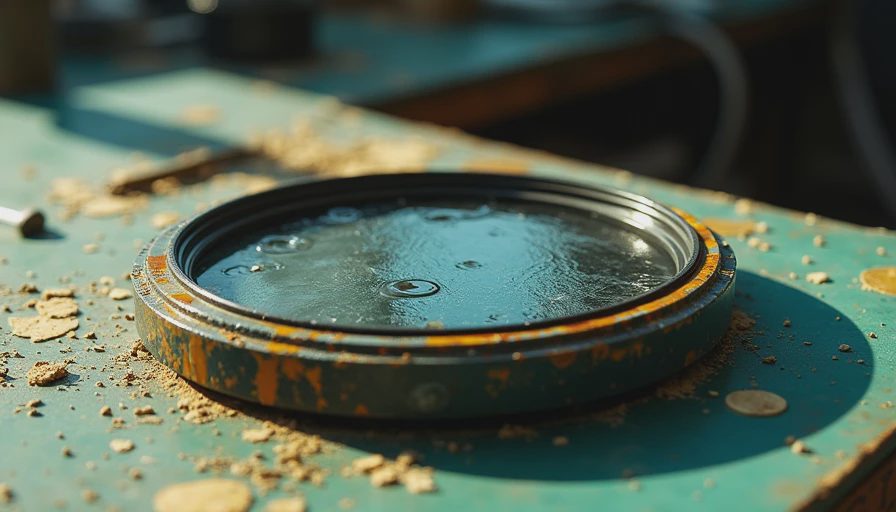
If the car starts hunting between gears, shuddering on acceleration, or leaving a red or brown spot under the parking place, do not wait for the noise to get louder. First, check the fluid level only if your vehicle has a dipstick and the owner’s manual says you can. Some newer cars do not. Second, note the color and smell. Healthy ATF is usually red or amber and does not smell burned. Dark fluid with a burned odor is a warning sign. Third, stop heavy towing and aggressive driving until it is inspected.
A transmission shop or a well-equipped general repair shop can test line pressure, inspect for leaks, read codes, and check whether the unit needs service or deeper repair. If the car still moves, a fix now is usually cheaper than a tow later. That is the practical side of what causes transmission failure: once the chain starts, the cost rises quickly.
Quick Quiz and the one idea to remember
Quick Quiz: If a transmission starts slipping after a long highway tow, what is the first suspect, heat or tire wear? If the answer is heat, you are tracking the system correctly. Quick Quiz: If a warning light comes on and the car shifts into limp mode, is the problem always mechanical? No. Electronics, sensors, and wiring can trigger the same behavior. Quick Quiz: If the fluid is dark and smells burned, should you ignore it until the next oil change? That is the wrong move.
If you remember one concept from this post, make it this one: what causes transmission failure is usually a chain, not one sudden event. Heat damages fluid, bad fluid damages parts, worn parts create debris, and debris makes the next problem worse. If you catch the chain early, a fluid service or targeted repair can still save the transmission and the budget.


No letters yet — be the first to write.