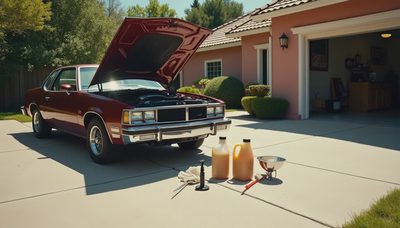
When to change CVT fluid is not a minor maintenance question. Get it wrong, and a continuously variable transmission can become noisy, sluggish, or very expensive to repair. CVT stands for continuously variable transmission, a transmission that uses pulleys and a steel belt or chain instead of fixed gears. Its fluid does more than lubricate. It helps transfer force, control friction, and manage heat. Let's start with the basics and build from there. If you understand what the fluid is doing, the service interval will make much more sense.
Why CVT fluid matters more than many drivers realize
A traditional automatic transmission uses planetary gearsets and clutch packs. A CVT works differently, but it still depends heavily on fluid condition. CVT fluid is engineered for a specific friction behavior, meaning it must let internal parts grip and slide in controlled ways. As the fluid ages, heat and shear break down its additives. Shear is the mechanical stress created when fluid is squeezed and moved between loaded parts.
That breakdown matters because a CVT is sensitive to incorrect friction characteristics. Old fluid can lead to shudder, delayed response, extra heat, or a droning feel under acceleration. In the shop, I explain it this way: clean CVT fluid helps the transmission hold the belt correctly without excessive wear. Dirty fluid makes the system work harder. If you remember one concept from this post, make it this one: CVT fluid is a working component, not just a lubricant.
System Diagram reference: picture the system as a loop of pump, valve body, pulleys, belt, bearings, and cooler. The fluid touches all of them.
So, when to change CVT fluid for most vehicles
For most drivers, a practical answer to when to change CVT fluid is every 30,000 to 60,000 miles, with the shorter end of that range being the safer choice for stop-and-go traffic, hills, heat, towing, or frequent short trips. Some owner’s manuals list longer intervals, and a few even describe the fluid as long-life. I still advise owners to read the severe-service schedule carefully, because many U.S. driving patterns fit that category.
If you drive in Atlanta traffic, Phoenix summer heat, mountain areas, or suburban school-run stop cycles, fluid temperature rises more often than you might think. Heat is the enemy here. Once fluid spends years cycling through high temperature, oxidation increases. Oxidation is the chemical aging process that darkens fluid and reduces performance.
A smart plan is simple: check the owner’s manual first, then lean toward preventive service instead of waiting for symptoms. A drain-and-fill service often costs roughly $180 to $350 at an independent shop and more at a dealer, while major CVT replacement can run into the thousands.

Signs your CVT fluid should be changed sooner
Mileage is only part of the answer to when to change CVT fluid. Condition matters too. If the vehicle hesitates when starting from a stop, surges at steady speed, shudders lightly, or seems louder than usual, old fluid could be part of the story. Those symptoms do not automatically mean the transmission is failing, but they do mean the system deserves attention.
Another clue is fluid appearance, if your vehicle design allows inspection. Healthy CVT fluid is usually translucent and fairly clean. Burnt-smelling, very dark, or contaminated fluid is a warning sign. Burnt odor usually means the fluid has been overheated. Also pay attention to service history. A used car with unknown maintenance records should not be treated like a perfectly documented one.
One caution: symptoms can also come from software issues, worn mounts, or internal wear. That is why fluid service should be part of diagnosis, not a magic cure. Still, if the car is near the service interval, starting with the correct OEM-spec fluid is often the most sensible move.
Drain and fill vs. flush: which service makes sense
This is where many owners get confused. A drain and fill removes part of the old fluid and replaces it with fresh fluid. A flush, depending on the shop and machine, can exchange much more of the old fluid. For many CVTs, I prefer a careful drain-and-fill approach using the exact fluid specification required by the manufacturer.
Why the caution? CVTs are less forgiving than older automatics when it comes to fluid chemistry. Using a universal fluid that merely claims compatibility is a gamble I usually would not take unless the vehicle manufacturer clearly allows it. Nissan, Honda, Subaru, Toyota, and others often specify their own CVT fluid type. The bottle needs to match that requirement exactly.
Also, some high-mileage transmissions with neglected service histories do better with staged drain-and-fill services rather than one aggressive exchange. The goal is stability, not shock treatment. A good shop will verify temperature-based fill procedures when required, because fluid level on many modern transmissions must be set within a narrow temperature range.

How driving habits change the interval
When to change CVT fluid depends heavily on heat load. Heat load means how hard the transmission works over time. City traffic, rideshare use, steep grades, desert climates, and carrying heavy cargo all increase heat. Even if you never tow, repeated low-speed acceleration can still count as severe use.
On the other hand, a driver who does mostly steady highway miles in mild weather may safely live closer to the longer end of the interval. But "lifetime fluid" should be read carefully. Lifetime often means the expected life under ideal conditions, not endless service with zero maintenance.
My classroom rule is this: if your use feels harder than average, your fluid interval should be shorter than average. That usually means 30,000 to 40,000 miles is a conservative and wallet-friendly target. Spending a few hundred dollars on maintenance beats gambling on a transmission replacement that can easily top $4,000 to $8,000 depending on the model.
A simple service plan owners can actually follow
Here is the practical takeaway. First, look up the exact service schedule for your year, make, model, and engine. Second, confirm the required CVT fluid specification. Third, if the car is already beyond 40,000 to 60,000 miles and the history is unclear, schedule an inspection and discuss a drain-and-fill service with a reputable shop or dealer. Ask what fluid they use, how they set the level, and whether they have experience with your brand.
If you are trying to decide when to change CVT fluid and want a safe default, use 30,000 to 60,000 miles, then adjust based on driving conditions. Earlier is usually better than late. Keep receipts, note mileage, and pay attention to changes in sound or response after service.
Quick Quiz: What does CVT stand for? What is the biggest enemy of CVT fluid? Is a drain and fill usually safer than guessing with a universal fluid? If you can answer those three, you understand the core of this topic.