A neglected transmission can turn a routine maintenance item into a repair bill that reaches several thousand dollars. Understanding the cvt transmission fluid change interval helps you protect the pulleys, belt or chain, bearings, and hydraulic controls inside your continuously variable transmission. Let's start with the basics and build from there. This is not a universal “change it every 30,000 miles” situation; the correct schedule depends on the vehicle, fluid specification, driving conditions, and the manufacturer's maintenance plan.
What a CVT does and why its fluid matters
A continuously variable transmission, or CVT, does not shift through a fixed set of gears in the same way as a traditional automatic. Most automotive CVTs use two variable-diameter pulleys connected by a high-strength steel belt or chain. One pulley receives power from the engine, while the other sends power to the wheels. By changing the effective diameter of both pulleys, the transmission can provide many ratios instead of distinct first, second, and third gears.
CVT fluid has several jobs at once. It lubricates moving parts, carries heat away, creates hydraulic pressure, and provides the precise friction behavior needed between the belt or chain and pulley surfaces. That last function is critical. Ordinary automatic transmission fluid is not automatically an acceptable substitute. The wrong product can cause slipping, shuddering, abnormal noise, or accelerated wear even if the fluid looks clean.
Heat and contamination gradually reduce the fluid's performance. Small particles from normal wear can circulate through the system, and repeated high-temperature operation can oxidize the fluid. Oxidation means the oil's molecules break down after prolonged exposure to heat and oxygen. The result is less reliable lubrication and less consistent hydraulic control.
System Diagram reference: picture the engine turning the input pulley, the steel belt transferring force to the output pulley, and a pump sending fluid through valves that control pulley pressure. Clean, correctly specified fluid supports every part of that chain.

Finding the correct cvt transmission fluid change interval
The best starting point is the maintenance schedule written for your exact vehicle. Look in the owner's manual under maintenance, severe service, transmission, or continuously variable transmission. Some manufacturers specify a mileage interval, some specify time, and some use a fluid inspection or deterioration counter that requires dealer-level equipment to reset or evaluate.
The cvt transmission fluid change interval can range from roughly 30,000 to more than 100,000 miles depending on the model and operating conditions. That broad range is why generic internet advice can mislead you. A compact sedan used for gentle highway commuting may have a different schedule from the same model used for delivery work, mountain driving, or frequent stop-and-go traffic.
If your manual does not give a clear replacement interval, call a dealership or a reputable independent transmission shop with the vehicle identification number. Ask three specific questions: which fluid specification is required, whether the service includes a filter or pan inspection, and whether the fluid level must be checked at a particular temperature. Record the answer with the date and mileage in your maintenance file.
Do not choose fluid based only on the words “CVT” on the front label. Products from Valvoline, Castrol, Idemitsu, and other brands can be suitable for certain applications, but compatibility is determined by the stated specification, not by brand familiarity. Some Nissan, Honda, Subaru, Toyota, and Mitsubishi CVTs require different formulations.
How driving conditions change the schedule
The cvt transmission fluid change interval should be treated more conservatively when the vehicle works hard. Severe service commonly includes frequent short trips, heavy traffic, dusty roads, very hot or very cold climates, steep hills, towing where approved, and long periods of idling. Atlanta summer traffic, for example, can keep underhood temperatures high while the vehicle repeatedly accelerates from a stop.
A driver who regularly hauls equipment or climbs steep grades creates more heat than someone who cruises on an open highway. Heat is especially important because CVT fluid must maintain a narrow balance between lubrication and friction control. If the fluid becomes thin, oxidized, or contaminated, the transmission may struggle to maintain the clamping force needed to prevent belt or chain slip.
Watch for symptoms, but do not wait for symptoms before servicing the fluid. A whining sound, delayed engagement, judder during light acceleration, surging engine speed, or hesitation can indicate a fluid problem, but these signs can also point to valve-body, sensor, bearing, or internal mechanical faults. Continuing to drive while a problem develops can increase the final repair cost.
Quick Quiz: Which condition generally creates more transmission stress: a steady 45-minute highway drive or repeated two-mile trips through heavy traffic? The short trips usually create the harsher pattern because the fluid may not reach stable operating temperature and the system experiences frequent acceleration events.

What a proper CVT service should include
A quality service begins with identifying the exact fluid and checking for leaks. The technician should inspect the drain plug, pan, case seams, cooler lines, and nearby axle seals. A low fluid level is not a normal maintenance condition; it usually means fluid escaped somewhere, and adding more without finding the leak leaves the underlying problem unresolved.
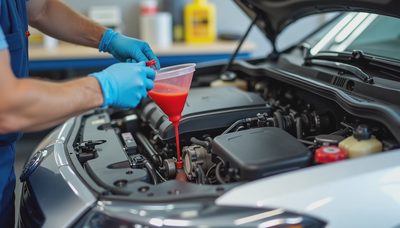
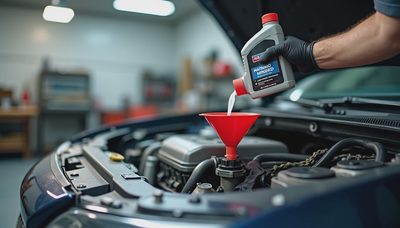
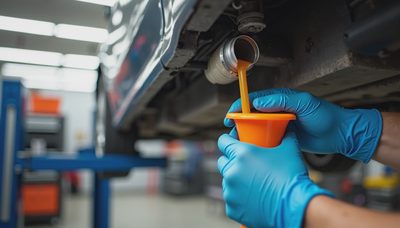
Many services involve draining the old fluid, inspecting the removed fluid and magnetic plug, replacing a filter or strainer when the design permits, installing a new gasket or sealing washer, and refilling with the specified product. The final level often has to be checked with the vehicle level and the fluid within a specified temperature range. Overfilling can also cause problems, so “add until it looks full” is not a reliable procedure.
A drain-and-fill may replace only part of the total fluid because some remains in the torque converter, cooler, passages, and transmission case. That is not necessarily a defect. A shop may recommend repeated drain-and-fill services when the fluid is old but the transmission is operating normally. Avoid aggressive power flushing unless the vehicle manufacturer specifically supports that method; excessive pressure or loosened deposits can create additional trouble in some systems.
Signs you should schedule service soon
Look underneath the vehicle after it has been parked overnight. CVT fluid may appear amber, green, red, or another color depending on the manufacturer, so color alone does not identify the correct product. A sweet or burned odor, wet spots, fresh drips, or a level warning deserves prompt attention. Do not crawl under a vehicle supported only by a jack; use properly rated jack stands or have a shop inspect it.
During a test drive, pay attention to behavior rather than expecting traditional gear shifts. A CVT normally allows engine speed to rise and then settle as road speed increases. That sensation can be normal. A repeated shudder, sharp vibration, grinding sound, or sudden loss of acceleration is not something to dismiss as “just how CVTs feel.” Write down when it happens: cold start, uphill acceleration, reversing, or steady cruising. That information helps the technician reproduce the concern.
A check-engine or transmission warning light should be scanned for diagnostic trouble codes. Do not erase the codes before the inspection. The stored data can help distinguish a fluid-pressure issue from a speed-sensor, temperature-sensor, or mechanical fault.
A simple maintenance plan for owners
Start by photographing the maintenance page in your owner's manual and saving the correct fluid specification in your phone. Note the current mileage, service history, and driving pattern. If the vehicle has no documented CVT service and is approaching the manufacturer's interval, schedule an inspection rather than assuming the previous owner handled it.
Before approving work, request the estimated price and ask what is included. In many areas, a basic drain-and-fill may cost about $150 to $300, while a more involved service with a filter, pan removal, or diagnostic inspection can cost more. A transmission replacement, by contrast, can run into several thousand dollars, making preventive service a sensible expense when performed correctly.
If you remember one concept from this post, make it this one: the correct cvt transmission fluid change interval comes from the vehicle's specification and use pattern, not a universal mileage slogan. Keep receipts, use the exact approved fluid, investigate leaks, and respond early to unusual noises or shuddering. That disciplined approach gives the transmission its best chance of delivering smooth, dependable service for many miles.
No letters yet — be the first to write.