A transmission problem can turn a routine maintenance question into a repair bill ranging from $2,000 to more than $6,000. Understanding transmission fluid flush vs change helps you choose the right service instead of approving work based on an unfamiliar phrase. Let's start with the basics and build from there. Transmission fluid is both a lubricant and a hydraulic working fluid: it reduces friction between parts and carries pressure through the transmission to apply clutches and shift gears.
What the two services actually do
A transmission fluid change removes some of the old fluid, usually through the drain plug or by removing the transmission pan, and replaces it with fresh fluid. Because fluid remains inside the torque converter, cooler lines, and other passages, a basic change often replaces roughly 30% to 60% of the total capacity. The exact amount depends on the vehicle design.
A flush attempts to exchange much more of the old fluid. A shop may connect equipment to the transmission cooler circuit and use the transmission's pump to move old fluid out while new fluid enters. Some machines can replace most of the fluid, but the method and quality of the service vary. A flush is not a magical internal cleaning, and it should never be confused with pressure-washing the transmission.
This distinction matters because fresh fluid does not repair worn clutches, broken solenoids, or damaged bearings. A change refreshes the fluid gradually. A flush replaces a larger percentage at once. Both services must use the correct specification, such as Toyota WS, Honda DW-1, Ford Mercon LV, or a manufacturer-approved CVT fluid. Universal fluid is not automatically safe for every transmission.
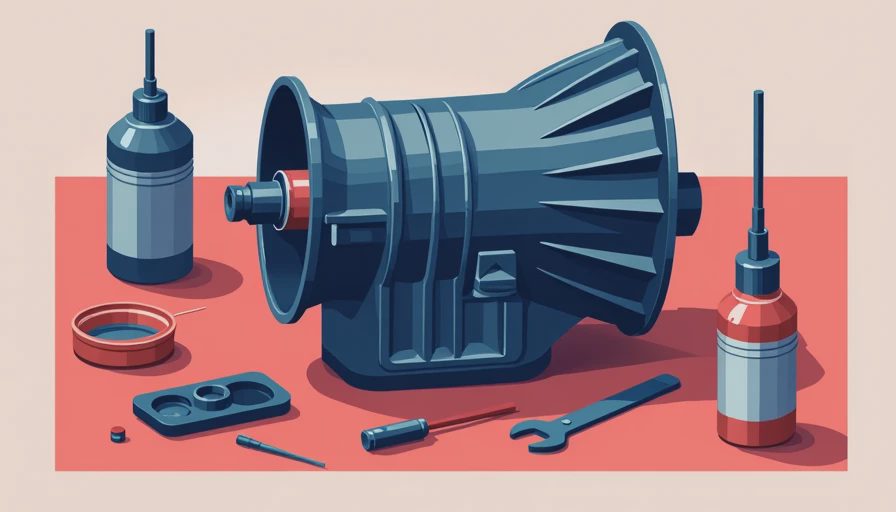
System Diagram reference: Picture the transmission as a circulation system. The pan stores fluid, the pump moves it, the valve body directs hydraulic pressure, and the cooler controls temperature. Following that path makes the difference between these services easier to understand.

Transmission fluid flush vs change: which is safer?
For a normally operating automatic transmission with a documented maintenance history, either method can be appropriate when the vehicle manufacturer allows it. I often prefer a drain-and-fill change on older vehicles with unknown service records because it is controlled, simple, and less likely to disturb debris that has settled in the pan. Removing the pan also gives a technician a chance to inspect the magnet, filter, and gasket.
A flush can make sense when the service procedure is specifically listed by the manufacturer or when a transmission shop uses a proper fluid-exchange method that does not add cleaning chemicals or excessive pressure. It may be useful after towing, severe heat exposure, or a long interval when the fluid is simply aged but the transmission still shifts normally.
Do not use a flush to hide symptoms. Delayed engagement, slipping, harsh shifts, a burnt smell, or fluid that contains metal flakes calls for diagnosis first. A high-pressure machine cannot restore clutch material. In some badly worn transmissions, new fluid can reveal a problem that was already present by changing friction characteristics, but the service did not cause the underlying wear.
Read the maintenance schedule before choosing
Your owner's manual is the starting point, not a shop's generic mileage sticker. Some manufacturers specify a drain-and-fill interval, while others use a fluid inspection schedule. Many newer transmissions have no traditional dipstick, and checking the level may require a scan tool, a level plug, and a precise fluid temperature. That is why a transmission service is not always a driveway job.
Driving conditions also change the maintenance conversation. Frequent stop-and-go traffic, mountain driving, hot weather, trailer towing, short trips, and carrying heavy loads create more heat and shearing stress. Atlanta summer traffic, for example, can be harder on fluid than steady highway miles. A vehicle used for commuting and towing should not be maintained like a lightly driven sedan.
Before authorizing transmission fluid flush vs change, ask three direct questions: What does the manufacturer specify, how much fluid will be replaced, and what exact product will be installed? Also ask whether the filter and pan gasket are included. A low advertised price can exclude several quarts of fluid, a filter, or the labor needed to set the level correctly.
Cost, timing, and warning signs
A conventional drain-and-fill commonly costs about $100 to $250 at an independent shop, depending on fluid type and access. A pan service with a filter and gasket may run $200 to $450. A fluid exchange may cost $150 to $400, while a CVT service or a specialty European transmission can cost more because the fluid is expensive and the procedure is more exacting.
The best time to service fluid is before symptoms appear. Healthy fluid is often red, amber, or another color selected by the manufacturer, but color alone is not a diagnosis. Dark fluid, a burnt odor, or visible particles deserves professional inspection. A small leak can lower the level enough to cause overheating, so look for wet spots near the transmission, cooler lines, or axle seals.
After service, the vehicle should engage Drive and Reverse smoothly, shift without unusual flare or banging, and show no leaks. A short road test is useful. If the transmission begins slipping or refuses to move, stop driving and return to the shop rather than adding random fluid.
A practical decision process
First, identify the transmission type. A traditional automatic uses planetary gearsets and a torque converter. A CVT uses pulleys and a belt or chain to vary the ratio, so it requires CVT-specific fluid. A manual transmission usually uses gear oil or manual transmission fluid, not automatic transmission fluid. Second, locate the maintenance interval and approved fluid specification in the owner's manual.
Third, inspect the service history. If the fluid was changed regularly and shifts are normal, follow the scheduled service. If the history is unknown, a drain-and-fill with inspection is often a sensible first step. Fourth, separate maintenance from diagnosis. A flush is not the answer to a check-engine light, slipping, grinding, or a transmission-temperature warning.
When comparing transmission fluid flush vs change, prioritize the correct fluid and procedure over the largest possible exchange. A careful technician should record the fluid level, check for leaks, use the right temperature-based fill procedure when required, and provide the quantity and brand installed. Those details are more valuable than a vague promise that the service will make the transmission feel new.
Quick Quiz: check your understanding
Why does a basic change not replace every drop of fluid? Because some fluid remains in the torque converter, cooler, and internal passages. What does a flush fail to repair? It cannot repair mechanical wear, damaged electronics, or failed hydraulic components. Why is CVT fluid special? Its friction behavior is engineered for the belt or chain and pulley system, so conventional automatic transmission fluid may be unsuitable.
If you remember one concept from this post, make it this one: transmission fluid flush vs change is a method decision, not a cure-all diagnosis. Use the owner's manual, match the fluid specification, inspect the transmission's condition, and choose a service that fits the vehicle's design and history.


No letters yet — be the first to write.