Why Mixing Pink and Blue Coolant Is a One-Way Ticket to Engine Failure
Imagine seizing up on the highway because you tried to save ten bucks on a bottle of fluid. It sounds dramatic, but the cooling system is the lifeblood of any internal combustion engine, and misunderstanding what goes into the radiator is a fast track to catastrophic failure. Water boils at 100°C. Your engine operates well beyond that. Without the right chemical cocktail, metal parts corrode, gaskets fail, and you're left waiting for a tow truck in the breakdown lane.
Yet, walk into any auto parts store and the confusion is palpable. Bottles come in neon greens, deep oranges, and translucent blues. Some say "antifreeze," others say "coolant." Are they the same? Can you mix them? The short answer is no, and the long answer involves chemistry that most drivers ignore until smoke starts billowing from the hood.
Concentrate vs. Cocktail
The first hurdle is semantics. People use the terms coolant and antifreeze interchangeably, but technically, they are different stages of the same solution. Antifreeze is the concentrated, glycol-based liquid straight from the jug. It is not ready for your car. To function correctly, it must be diluted with water. Once that mixture happens, it is referred to as coolant.
You can buy pre-mixed engine coolant, a ready-to-use solution of antifreeze and water, which removes the guesswork. But if you buy the concentrate, the standard ratio is a common ratio of 50:50. This balance is critical. Antifreeze works best as a diluted liquid when combatting temperatures of intense heat. While the name suggests it's only for winter, engine coolant regulates the engine to the optimum temperature all year round.
The primary ingredient is usually ethylene glycol. This chemical lowers the freezing temperature so the liquid doesn't turn to ice in the radiator during sub-zero weather. Simultaneously, it raises the boiling point higher than water alone. Beyond temperature regulation, ethylene glycol lubricates the water pump and inhibits corrosion. Without these additives, the water inside your system would turn your engine block into a rust bucket from the inside out.
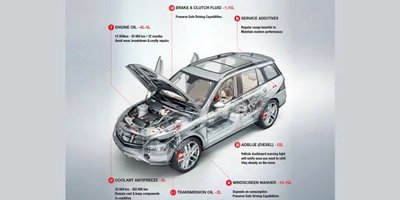
There is a nuance to longevity here. Antifreeze does not expire, but the additives that prevent engine corrosion do. Over time, those inhibitors break down, leaving the metal vulnerable even if the fluid doesn't freeze. You must replace your antifreeze in line with the manufacturer's expiry guidelines, not just when the weather turns cold.
The Rainbow Trap
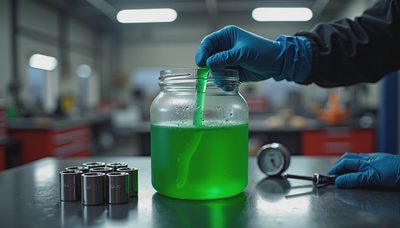
Here is where most enthusiasts get themselves into trouble. You look under the hood, see the level is low, and grab whatever bottle matches the color of the fluid already in the reservoir. This is a dangerous game. A common misconception is that you can use colour to identify coolant type. Multiple colours can be used to indicate one type of coolant, so we do not advise using the colour of the liquid solution as an indicator of coolant type.
Can you mix pink and blue antifreeze? You cannot mix pink and blue antifreeze. An incorrect mixture of coolants could lead to a faulty cooling system and engine damage. Different formulations use different corrosion inhibitors, and mixing them can cause the chemicals to react, forming sludge that clogs narrow cooling passages. Always top up your car with the same type and brand of coolant. If you're unsure which to use, it is always best to follow the manufacturer's recommendations or contact your nearest garage.
The industry uses specific technology codes to distinguish these fluids, often indicated by a coloured dye, though reliance on the dye alone is risky. The source data outlines several distinct technologies:
- AT (Inorganic Additive Technology) – Silicates – Green
- OAT (Organic Acid Technology) – Organic Acids – Orange
- HOAT (Hybrid OAT, Phosphate-free) – NAP-free – Turquoise
- HOAT (Hybrid OAT) – Silicates and organic acids – Yellow
- Si-OAT (Silicated HOAT) – Silicates and organic acids – Purple
Each uses a different type of corrosion inhibitor tailored to specific engine materials. Using a silicate-based formula in an engine designed for organic acids can compromise the protection layer on aluminum components. Stick to the mix recommended by your manufacturer.
Toxic Chemistry
Beyond the mechanical risks, there is a safety element often overlooked in the driveway. Ethylene glycol is toxic to both humans and animals. It smells sweet, which makes it particularly dangerous to pets, but ingestion can be fatal. Make sure to follow the manufacturer's safety advice and disposal instructions carefully.
Never pour old coolant down the drain or onto the ground. It contaminates the water supply and poses a severe hazard to wildlife. When topping up or flushing the system, work in a well-ventilated area and keep rags soaked in coolant out of reach of children and pets.
Maintaining a functioning cooling system requires respect for the chemistry involved. Extreme hot and cold temperatures can severely affect your car, so when the seasons change it's a great idea to get refreshed on how to care for your engine's cooling system properly. Don't let a simple fluid check turn into a engine replacement bill. Know what's in your radiator, know when it expires, and never trust a colour match over the owner's manual.