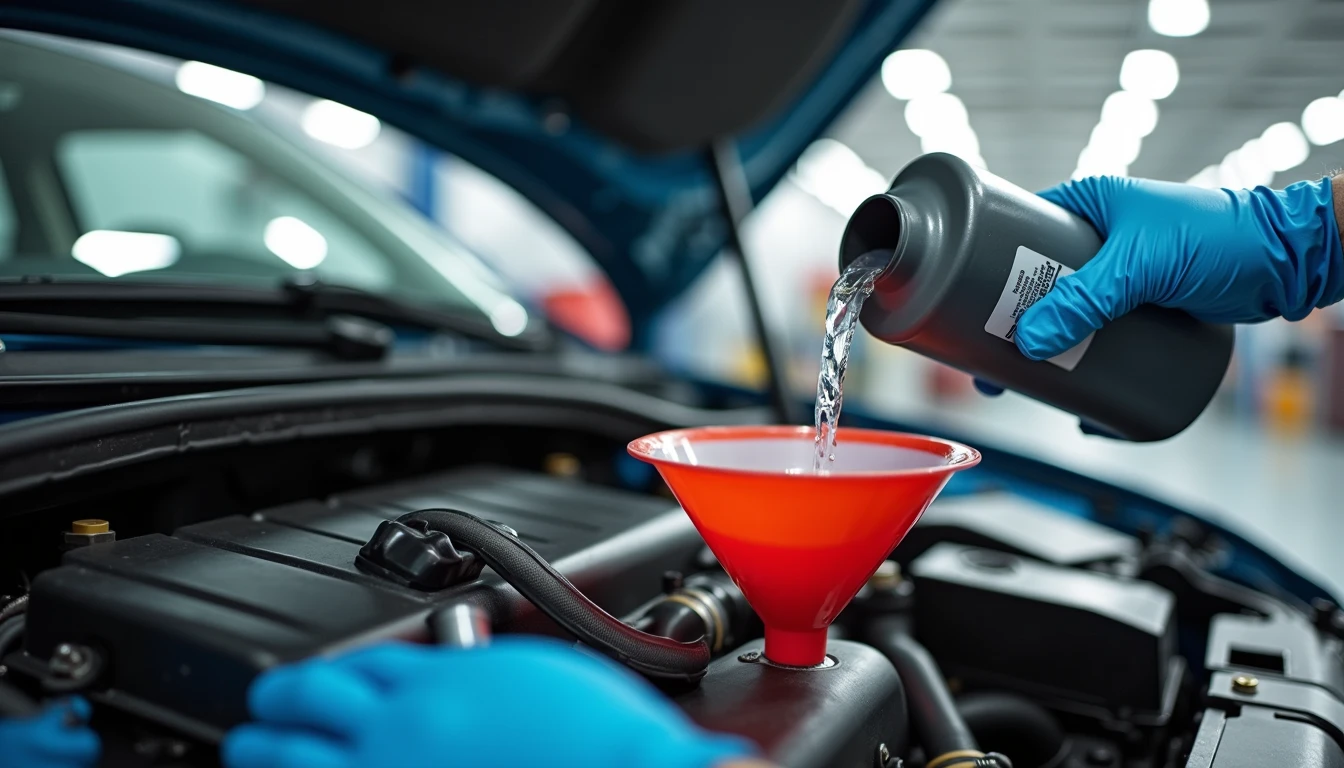
A coolant exchange can prevent overheating that leads to expensive engine damage
Why This Matters (cost/safety/longevity payoff)
Engine overheating isn’t just an inconvenience—it’s one of the fastest ways to turn a drivable car into a major repair bill. Your engine is designed to operate at an optimal temperature, and the cooling system’s job is to keep it there. When coolant (also called antifreeze) breaks down or becomes contaminated, it can’t protect the engine the way it should, which can lead to overheating, leaks, and expensive repairs.
Let’s start with the basics and build from there: a coolant exchange is a preventive service meant to keep your cooling system doing its job—moving heat out of the engine and protecting internal parts from damage over the long haul.
Quick Quiz:
1) Coolant is also called what?
2) According to the source, what problems can old antifreeze lead to?
What You Need to Know (specs, types, intervals)
Here’s what the source actually tells us—no guesswork, no made-up intervals:
- Fluid name: *Coolant* (also called antifreeze)
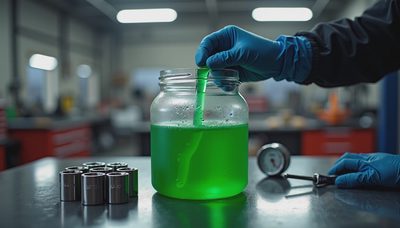
- Definition: Coolant/antifreeze is the fluid in your cooling system that helps regulate engine temperature and protect the system from damage.
- Service name: Coolant fluid exchange (also described as an antifreeze fluid exchange)
- What it does (per source): “Flushes out old, worn-out antifreeze and replaces it with fresh fluid.”
- Why it’s needed (per source):
- Antifreeze can become contaminated (meaning dirt, rust, or other unwanted material gets mixed in)
- Antifreeze can lose effectiveness over time (meaning it doesn’t protect and regulate temperature as well)
- Old antifreeze can contribute to engine overheating, leaks, and expensive repairs
- Fresh fluid can help rejuvenate seals (rubber sealing surfaces that prevent leaks) and prevent leaks
- Time/interval/specs: The source does not provide a mileage interval, vehicle-specific coolant type, mixture ratio, capacity, or part numbers. So you should follow your owner’s manual for the exact spec and schedule for your vehicle.
Pro Tip: If a shop recommends a coolant exchange, ask them to confirm they’ll refill with the correct coolant for your specific vehicle. “Coolant” is not one universal fluid—using the wrong type can create problems—but the exact type must come from your owner’s manual or the shop’s vehicle database (not from assumptions).
How It Works (system explanation + practical steps)
System Diagram (in your head)
Think of your cooling system like a heat-transport loop:
Engine (heat source) → coolant absorbs heat → cooling system circulates fluid → heat is released → coolant returns to engine
When coolant is fresh and effective, it:
- Helps the engine run at its ideal temperature
- Protects components and supports overall longevity
When coolant is old/contaminated, it can’t do those jobs reliably—raising the risk of overheating and leaks.
What a coolant exchange service is doing
Based on the source, Take 5’s coolant exchange service is designed to:
1) Flush out old, worn-out antifreeze
- “Flush out” means removing old fluid from the system rather than leaving a large portion behind.
2) Replace it with fresh fluid
- Fresh coolant helps your engine “stay at the ideal temperature.”
3) Support seals and leak prevention
- The source states this service “helps rejuvenate seals” and “prevent leaks.”
Practical, DIY-owner steps (before and after the service)
Even if you’re not doing the exchange yourself, you can be a smarter owner by following a simple process:
1) Know your symptoms
- Watch for signs that can relate to cooling system trouble (the source highlights overheating and leaks as risks of degraded coolant). If you’ve experienced overheating, don’t just top off coolant and hope—get the system checked.
2) Request the right service
- Specifically ask for a coolant fluid exchange (the service described in the source as flushing out old antifreeze and replacing it with fresh fluid), not just “topping off.”
3) Confirm the goal
- The goal is engine temperature control and protection. You want the cooling system to keep the engine at its optimal temperature—this is exactly what the source emphasizes.
4) After service, monitor performance
- In the days after a coolant exchange, keep an eye out for any signs of leaks and make sure your vehicle runs at normal operating temperature. The source notes coolant issues can lead to leaks and overheating; you’re verifying those risks are reduced, not increased.
Pro Tip: “Fast and hassle-free” is great, but don’t let speed replace verification. A quick glance under the vehicle after parking can help you spot early leaks before they become a roadside problem.
Common Mistakes (myths, pitfalls, warnings)
Mistake 1: Treating coolant like a “forever fluid”
The source is clear: antifreeze can become contaminated or lose effectiveness over time. Assuming it lasts forever is how people end up with overheating and system damage.
Mistake 2: Only reacting when the engine overheats
Overheating is a late-stage warning. The source frames coolant maintenance as crucial to engine health and longevity—meaning you want to maintain the cooling system before you’re on the shoulder of the road.
Mistake 3: Confusing a “top-off” with an “exchange”
Adding coolant may raise the level, but it does not remove contamination or restore the fluid’s protective properties throughout the system. The source specifically calls out an exchange that “flushes out old, worn-out antifreeze and replaces it with fresh fluid.”
Mistake 4: Ignoring leaks
The source notes degraded antifreeze can contribute to leaks, and that a coolant exchange can help “rejuvenate seals” and “prevent leaks.” If you’re seeing coolant loss, don’t ignore it—coolant doesn’t get “used up” like fuel; it typically escapes via a leak or other issue.
Quick Quiz (answers):
1) Coolant is also called antifreeze.
2) Old antifreeze can lead to engine overheating, leaks, and expensive repairs.
Bottom Line (summary, recommended action)
A coolant exchange is preventive maintenance that helps your engine stay at the ideal temperature, reduces the risk of overheating, and supports long-term durability. The key takeaway from the source is simple: old antifreeze can become contaminated or lose effectiveness, and flushing it out and replacing it with fresh fluid is a straightforward way to protect your engine and help prevent leaks.
If you want the practical payoff: keeping your cooling system healthy is one of the most direct ways to avoid overheating-related damage and keep your vehicle running smoothly for the long haul.