When drivers search for **cvt fluid change cost**, the real question is usually bigger than price alone: is this service worth doing now, or can it wait? Let's start with the basics and build from there. A continuously variable transmission, or **CVT**, uses belts, pulleys, and specialized fluid to transfer power smoothly. That fluid is not just a lubricant. It also helps with cooling, hydraulic pressure, and friction control. If it breaks down, the transmission can slip, shudder, overheat, or wear faster. A fluid service that costs a few hundred dollars can be much cheaper than a transmission repair bill in the thousands.
What Is a CVT Fluid Change and Why Does It Matter?
A **fluid change** means draining old transmission fluid and replacing it with fresh fluid that meets the vehicle maker's specification. In a CVT, that specification matters a lot. CVT fluid is blended differently from standard automatic transmission fluid because the transmission works differently. The wrong fluid can cause poor operation and long-term damage.
Why does this matter for your wallet? Because heat, age, and contamination slowly reduce the fluid's ability to protect the unit. If you drive in stop-and-go traffic, climb hills, haul extra weight, or keep a car for many years, fluid condition becomes even more important. I tell students to think of transmission fluid as a working component, not just a liquid. If it loses its designed friction properties, the whole system suffers.
System Diagram reference: picture the CVT as three linked jobs: power transfer, hydraulic control, and cooling. The fluid supports all three.
Average CVT Fluid Change Cost at Shops and Dealers
A typical **cvt fluid change cost** in the U.S. falls around **$150 to $400**. On the lower end, an independent repair shop may charge about $150 to $250 for a basic drain-and-fill. A dealership often lands closer to $250 to $400, especially if the vehicle needs factory fluid that costs more per quart.
Some vehicles take only a modest amount of fluid during a drain-and-fill, while others need more. Labor also varies. A shop with easy access to the fill and drain points can do the job faster than one working on a model with tighter packaging or a temperature-based level check procedure.
Nissan, Honda, Subaru, Toyota, and Mitsubishi models with CVTs often have different service procedures and approved fluid types. That is one reason price shopping should not be based on the cheapest number alone. Ask what fluid is being used and whether the shop is following the factory fill procedure.

If a shop quotes under $100, I would ask extra questions. Sometimes that means a special coupon, but sometimes it means generic fluid or a very limited service.
What Makes CVT Fluid Service More or Less Expensive?
The biggest cost factors are **fluid type, labor time, and service method**. Fluid type is first because genuine or vehicle-specific CVT fluid can be expensive. Some vehicles also require a scan tool or careful temperature monitoring to set the fluid level correctly. That adds time.
Service method matters too. A **drain-and-fill** removes part of the old fluid and replaces it with new fluid. A **flush** uses equipment to exchange more fluid, though not every manufacturer recommends flushing a CVT. In many cases, a simple drain-and-fill at the right interval is the safer choice.
Another cost factor is whether the pan is removed. On some transmissions, the pan may contain magnets that collect fine metal wear particles. Cleaning the pan and replacing a filter, if the design includes a serviceable filter, can raise the bill but also makes the service more complete.
If you remember one concept from this post, make it this one: the lowest **cvt fluid change cost** is not the best value if the wrong fluid or wrong procedure shortens transmission life.
When Should You Change CVT Fluid?
This is where owners get confused. Some manuals list long intervals, and some use language like "inspect" rather than "replace." In real-world driving, many technicians recommend servicing CVT fluid roughly every **30,000 to 60,000 miles** if the vehicle sees heavy use, and sometimes later for lighter use. The owner's manual should always be your first reference.
Warning signs can include delayed engagement, shuddering on acceleration, whining noises, or rising transmission temperature. Those symptoms do not always mean fluid alone will fix the problem, but they do mean the system deserves attention.
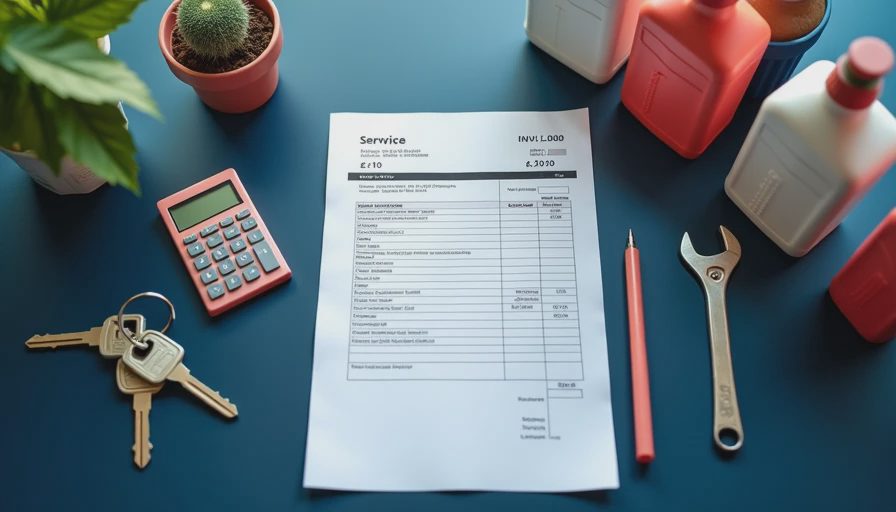
I also teach owners to think in terms of risk. Waiting too long might save $250 today and cost several thousand later. A replacement CVT can easily run into the **$4,000 to $8,000** range depending on the vehicle. Seen that way, **cvt fluid change cost** is usually preventive maintenance, not optional luxury spending.
Dealer vs Independent Shop vs DIY
A dealership usually offers the highest confidence on factory procedure and OEM fluid, which stands for **original equipment manufacturer** fluid. That peace of mind often comes with the highest bill. An independent transmission shop or well-reviewed general repair shop can be a strong value if they know your make and use the correct fluid.
DIY is possible on some models, but I do not recommend it for beginners unless the procedure is simple and well documented. Many CVTs require the car to be level, the fluid to be in a narrow temperature range, and the fill amount to be exact. Overfilling or underfilling can create problems just as surely as old fluid can.
If you want to compare quotes, ask three simple questions: What exact fluid will you use? Is this a drain-and-fill or a flush? Will you verify fluid level by factory procedure? Those answers tell you more than price alone.
How to Save Money Without Cutting Corners
The best way to reduce **cvt fluid change cost** is timing. Do the service before the fluid is badly degraded, and you are more likely to need only routine maintenance instead of diagnostics or repair work. Bundle it with other scheduled maintenance if your shop offers a small labor discount.
Coupons from chain shops can help, but read the fine print. A low advertised price sometimes applies only to standard automatic transmission service, not a CVT. Also ask whether taxes, shop supplies, and extra fluid are included.
My practical advice is simple: use the owner's manual as the starting point, choose a shop that can explain the procedure clearly, and do not let a CVT go years past a reasonable interval. The smartest shoppers are not just hunting for the lowest **cvt fluid change cost**. They are buying the right service at the right time.
Quick Quiz:
- What three main jobs does CVT fluid support besides lubrication?
- What is the common U.S. price range for a CVT fluid service?
- Why can using the wrong fluid be a serious mistake?
- What is usually safer for many CVTs: a drain-and-fill or an aggressive flush?
- Which matters more than the cheapest quote: correct fluid, correct level procedure, or both?
If you can answer those, you understand the topic better than most owners standing at a service counter.



No letters yet — be the first to write.