How to Get Rid of Old Gas Safely and Responsibly
Let's start with the basics and build from there. If you have a gas can that's been sitting in the garage for months, you know the smell: fuel goes bad. But how to get rid of old gas is a question I get every semester in my car-care course. The answer matters for your wallet and your safety. Old gasoline can gum up fuel lines, clog injectors, and ruin a lawn mower engine. The good news: you have safe, legal options that cost less than you think. In this guide, I'll walk you through exactly how to judge, salvage, or dispose of stale fuel.
Why Gasoline Goes Bad
Gasoline is a blend of hydrocarbons that starts to degrade within three to six months. The volatile compounds that help cold-start engines evaporate first, leaving behind heavier molecules. Oxygen then attacks the remaining fuel in a process called oxidation, forming gums and varnish. These sticky deposits coat fuel lines, carburetor jets, and injector nozzles.
Ethanol-blended fuel makes the problem worse. Ethanol is hygroscopic, meaning it absorbs water from the air. Over time, that water separates from the gasoline and sits at the bottom of the tank. A lawn mower left with gas all winter is the classic example: the fuel becomes a sticky lacquer that clogs carburetor passages. Once gas smells like paint thinner or looks dark and cloudy, it's chemically finished.
Step 1: Inspect the Fuel
Pour a little gas into a clear glass jar. Fresh gas is light amber and smells like fuel. Old gas smells sour or like varnish and looks darker, often with a brown tint. If you see particles, rust flakes, or a layer of water at the bottom, the fuel has broken down. Those solids can plug a fuel filter in seconds.
A small amount of stale but clean-smelling gas can be revived with a fuel stabilizer like Sea Foam or Sta-Bil. Add the stabilizer to the gas can, let it sit for a day, then give it a swirl. But if the gas has turned to jelly or has visible water, don't try to salvage it. Badly degraded gas needs to be disposed of, not burned.

Step 2: Use Up Small Amounts Safely
If you have less than a gallon of old gas that still smells okay, you can burn it in your car's engine. Fill the tank with fresh gas first, at least three-quarters full, then add the old gas slowly. The large volume of fresh fuel dilutes the old gas so the engine doesn't miss a beat. Adding a bottle of fuel system cleaner is a cheap way to help the engine clean itself.
Never do this in a small engine like a lawn mower, chainsaw, or generator. Small engines have carburetors with tiny passages that clog easily, and a new carburetor costs $50 to $150. Also, never add more than one gallon of old gas to a car's tank. If the gas smells bad or looks dark, don't risk it. A $300 fuel system cleaning is far more than the fuel is worth.
Step 3: Dispose of Large Quantities Properly
For larger amounts, use a siphon pump to transfer the gas into an approved fuel container. Siphon pumps cost $10 to $20 at any auto parts store. Place the container below the tank, pump a few times, and the fuel flows by gravity. If you're draining a fuel tank, you can also disconnect the fuel line at the filter and let it drain into a pan.
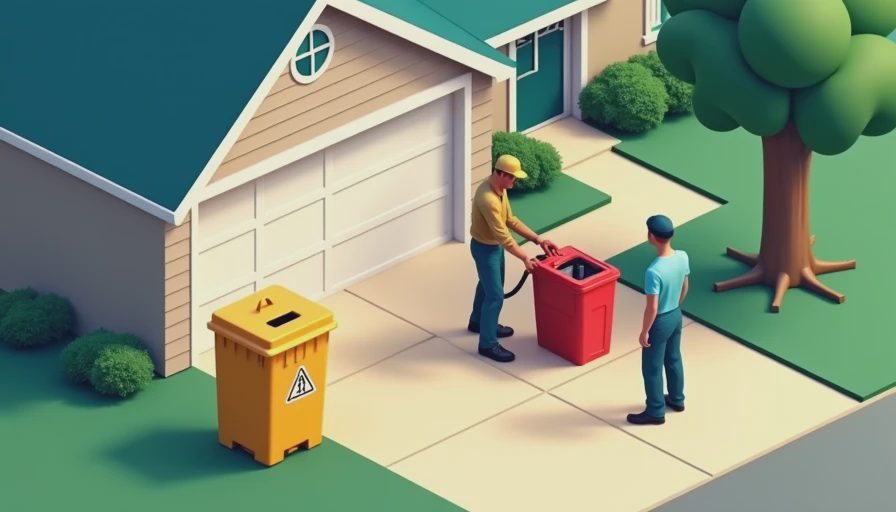
Then take the fuel to a household hazardous waste (HHW) facility. Many counties offer free drop-off events, though some charge $5 to $15 per gallon. If you're not sure how to get rid of old gas, search Earth911.com or call your local public works department to find the next collection date. Some auto parts stores, including AutoZone and Advance Auto Parts, accept used fuel for recycling. If the gas is inside a vehicle that won't start, you may need a tow truck and a mechanic, which runs $100 to $150 plus shop fees.
The Cost of Bad Gas
Let's put numbers on this. A fuel injector replacement costs $150 to $300 per injector, and a full fuel system cleaning is $250 to $400. Compare that with a free HHW drop-off or a $15 disposal fee. Knowing how to get rid of old gas properly is one of the cheapest maintenance decisions you can make. Old gas is waste, not fuel. Even if you have to drive 20 miles to a collection site, you're still ahead of the repair bill.
What Not to Do
Don't dump old gas on the ground, down a drain, or in the trash. Gasoline is explosive and contaminates groundwater, and illegal disposal can mean fines in the thousands. Don't burn it in a bonfire, and don't mix it with used oil. Also, don't hold onto old gas hoping it will recover. Gasoline won't un-spoil. If you've had a gas can in the garage for two years, it's not a fuel supply; it's a problem waiting to happen.
Quick Quiz
Let's test what we covered. If you have one gallon of old but clean-smelling gas, what's the safest way to use it up? Mix it into a nearly full tank of fresh fuel in a car, not a small engine. If the gas smells like varnish, take it to a household hazardous waste facility. And the golden rule: never dump gas on the ground or in a drain.
A Better Plan for Next Time
The real fix is prevention. Buy fuel in small quantities, add a stabilizer like Sta-Bil before you store it, and rotate your supply. A five-gallon can of treated gas can last up to 12 months, so you'll never face this dilemma again. Now you know how to get rid of old gas without harming your engine or the environment. Keep your storage simple, and you'll save money and stress down the road.


No letters yet — be the first to write.