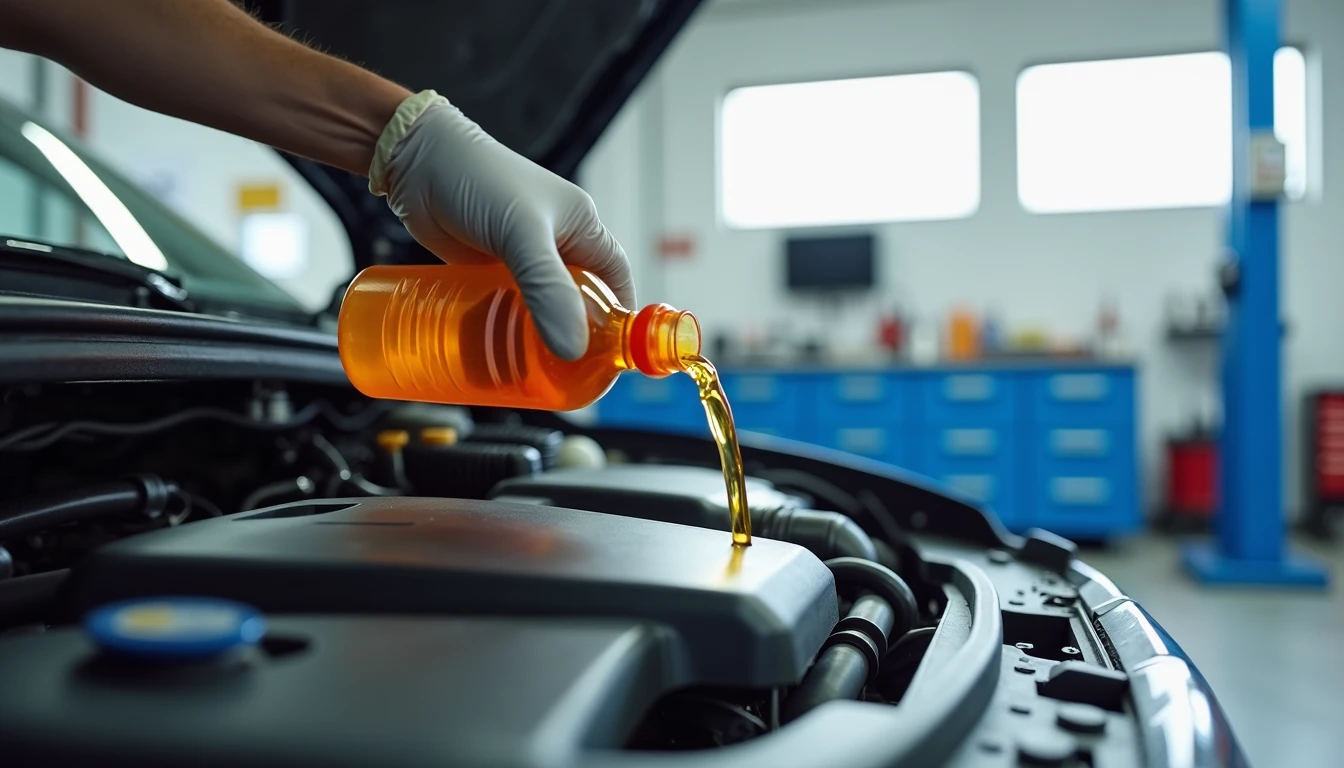
Replace Brake Fluid Every 3 Years to Prevent Brake Failure and Save Thousands on Repairs
Why This Matters
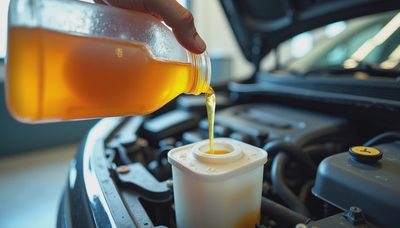
Let's start with the basics and build from there. Brake fluid is a critical component of your vehicle's brake system, yet it is often overlooked by car owners. Many drivers mistakenly attribute poor braking performance to worn brake pads when the real culprit may be deteriorated brake fluid. Neglecting brake fluid maintenance can compromise your vehicle's braking performance and safety on the road. By understanding its importance and regularly checking and replacing it as needed, you can ensure optimal braking performance and safety for you and your passengers. Think of this as insurance for your stopping power. If the fluid fails, the brakes fail, regardless of how new your pads are.
What You Need to Know
Brake fluid plays a crucial role in ensuring smooth and efficient braking. It is hygroscopic, meaning it absorbs water over time, which can lead to a decrease in its effectiveness. To maintain optimal braking efficiency, it is recommended to change brake fluid every 2-3 years, regardless of mileage. This prevents water absorption from reaching critical levels.
Understanding the different types of brake fluid is also essential. Modern cars typically use DOT 4 or DOT 5.1 fluids, which are glycol-based and can be mixed. However, some vehicles require DOT 5, which is silicone-based and incompatible with glycol fluids. Always refer to your vehicle manual or the brake fluid reservoir cap to determine the correct fluid type for your car.
System Diagram Reference: Visualize the hydraulic lines as closed loops connecting the pedal to the calipers. If water enters the loop, the pressure transfer fails under heat because water vaporizes easier than fluid.
Here is a comparison of the dry and wet boiling points of common brake fluid types provided in the technical data. Dry refers to new fluid, while Wet refers to fluid saturated with water:
- DOT 3: Dry Boiling Point - 205°C, Wet Boiling Point - 140°C
- DOT 4: Dry Boiling Point - 230°C, Wet Boiling Point - 155°C
- DOT 5: Dry Boiling Point - 260°C, Wet Boiling Point - 180°C
- DOT 5.1: Dry Boiling Point - 270°C, Wet Boiling Point - 190°C
While these are the minimum requirements, many modern brake fluids exceed these figures, offering superior performance and safety. For instance, ATE TYP200, a DOT 4 fluid, boasts a wet-dry boiling point range of 198°C to 280°C. This higher range provides a larger safety margin during heavy braking events.
Quick Quiz: What does "hygroscopic" mean in this context? It means the fluid absorbs water from the air over time, lowering its boiling point and risking vapor lock.
How It Works
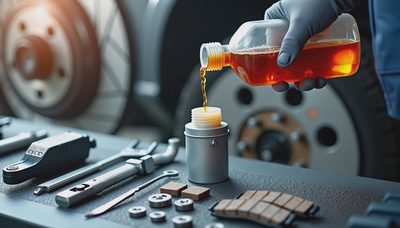
To assess the condition of your brake fluid, you can use boiling point test tools, which are readily available in the market. These tools measure the fluid's current resistance to heat. If you are performing maintenance on your brake system, such as replacing brake discs, pads, or lines, it is advisable to renew the brake fluid as well, especially if it hasn't been done for a while. This ensures the entire system is filled with fresh fluid capable of handling heat.
Pro Tip: When checking your reservoir, look at the cap first. It usually stamps the required DOT type directly on the lid, saving you from digging through the owner's manual.
The process involves removing the old fluid to eliminate the water content that has accumulated. Since water boils at a much lower temperature than fluid, trapped moisture can turn to vapor under heavy braking, causing a spongy pedal or total failure. Regular flushing removes this moisture before it becomes dangerous.
Common Mistakes
Despite what forums say, you cannot mix DOT 5 silicone-based fluid with glycol-based fluids like DOT 3, 4, or 5.1. They are incompatible and mixing them can damage seals. Another common error is ignoring the time interval. Many owners think low mileage means fresh fluid, but water absorption happens over time, not just through use. That is why the 2-3 year rule applies regardless of mileage.
Also, do not assume poor braking is always pad wear. Test the fluid first. Neglecting this can lead to safety issues that pads alone cannot fix. Some drivers wait for a soft pedal, but by then, corrosion may have already started inside the ABS module.
Bottom Line
Brake fluid is a critical yet often overlooked aspect of vehicle maintenance. Remember, when it comes to brake servicing, always consult trained professionals and follow manufacturer instructions for handling brake fluid safely. By following the 2-3 year replacement interval and using the correct DOT specification, you protect your investment and your safety. Start with the fluid specs, check the cap, and schedule your change before the boiling point drops too low. Systematic maintenance now prevents catastrophic failure later.