Proper Brake Fluid Maintenance Prevents Costly Failure and Keeps Your Family Safe on the Road
Hello, I'm Kevin Park. Let's start with the basics and build from there. Changing your brake fluid every two years can prevent a $4,000 rebuild of your braking system. While most DIYers check pads, the hydraulic medium inside the lines is often overlooked. Today, we are going to treat your braking system like a curriculum module. We will define the terms, look at the specs, and walk through the inspection process systematically.
Why This Matters
Your vehicle's braking system is arguably its most critical safety component. Brake fluid is the hydraulic medium that transfers force from your brake pedal to the brake calipers or wheel cylinders, creating the friction needed to stop your vehicle. Unlike engine oil, this fluid operates under unique physical constraints. It must be virtually incompressible for immediate brake response. It needs to maintain performance under extreme temperatures. It must resist moisture absorption, which can cause corrosion and reduce the fluid's boiling point.
Neglecting this maintenance leads to reduced stopping power. Contaminated fluid may boil under heavy braking, creating vapor that can be compressed, resulting in a soft or spongy brake pedal. In worst-case scenarios, severely contaminated or low brake fluid can cause total system failure. From an engineering standpoint, you are protecting both your wallet and your safety.
What You Need to Know
Before we touch a wrench, we need to understand the specifications. Brake fluids are classified by the Department of Transportation (DOT) based on their chemical composition and performance characteristics. Using the wrong type compromises the entire system.
DOT 3 Specifications:
- Glycol-based fluid
- Minimum dry boiling point: 401°F (205°C)
- Minimum wet boiling point: 284°F (140°C)
- Most common in older and many current passenger vehicles
- Absorbs moisture more readily than higher grades
- Typically needs replacement every 2 years
DOT 4 Specifications:
- Also glycol-based, but with borate esters
- Minimum dry boiling point: 446°F (230°C)
- Minimum wet boiling point: 311
Quick Quiz: Why do we care about "wet" boiling points?
*Answer:* "Wet" refers to fluid that has absorbed moisture over time. Since brake fluid is hygroscopic (water-absorbing), the wet boiling point represents real-world performance after the fluid has aged.
How It Works
Checking your brake fluid is a simple process that should be done at least twice a year or whenever you change your oil. I want you to visualize a System Diagram in your head: Master Cylinder -> Lines -> Calipers. We are inspecting the source—the reservoir.
Tools Needed:
- Clean rag or paper towel
- Flashlight (optional)
Step 1: Locate the Brake Fluid Reservoir
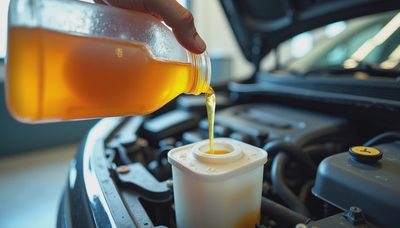
In most modern vehicles, this is a translucent plastic container located at the back of the engine bay on the driver's side. In older vehicles, it might be a metal reservoir with a screw-on cap. Consult your owner's manual if you have trouble finding it.
Step 2: Check the Reservoir Level
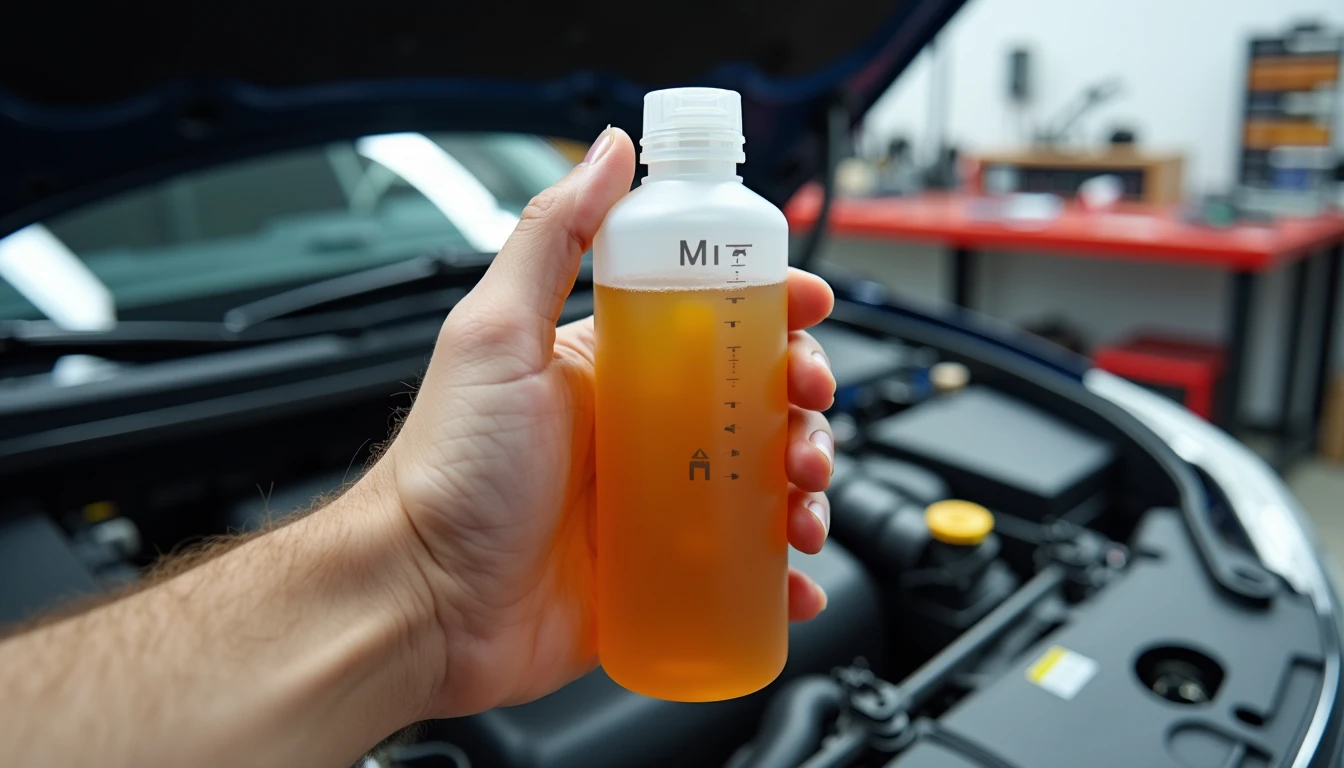
Most reservoirs have "MIN" and "MAX" markings on the side. The fluid level should be between these marks, ideally closer to "MAX". If the reservoir is translucent, you can check without opening it. If it's a metal reservoir, ensure the engine is off and cool before carefully opening the cap to check the level.
Step 3: Inspect the Fluid Condition
New brake fluid is typically clear or slightly amber (similar to apple juice). If the fluid is dark brown or black, it's contaminated and needs changing. If it looks cloudy or has particles floating in it, it's definitely time for a change.
Step 4: Check for Leaks
While you're at it, inspect the area around the reservoir, master cylinder, brake lines, and near each wheel for any signs of leakage. Brake fluid will feel slippery and typically damage paint if left on a painted surface.
Pro Tip: When wiping the reservoir cap before opening, use a lint-free rag. Introducing fabric fibers into the hydraulic system can cause seal damage downstream.
Common Mistakes
There are several myths I see in the shop that need correction. First, never drive with the brake fluid below the "MIN" line. This could indicate a leak in the system or severely worn brake pads, both of which require immediate attention. Some forums suggest topping off fluid indefinitely, but if the level is dropping, you have a problem to solve, not just a fluid level to fix.
Another mistake is ignoring the color change. Many owners assume brake fluid lasts the life of the vehicle. It does not. Because it absorbs moisture, its boiling point drops over time. Degraded fluid can damage seals, calipers, and the master cylinder.
Finally, do not mix fluid types unless specified. While DOT 3 and DOT 4 are often compatible, sticking to the manufacturer's specified classification ensures the boiling points match your vehicle's thermal load.
Bottom Line
Brake fluid maintenance is not optional; it is a fundamental requirement for vehicle safety. Check your levels twice a year. Look for clear, amber fluid, not dark sludge. Adhere to the replacement intervals, typically every 2 years for DOT 3. If you see leaks or the level drops below MIN, seek professional diagnosis immediately. By understanding the basics, you keep your system compressible-free and your family safe.