Prevent Costly Hydraulic Failures: Understanding Fluid Contamination Before It Strikes
Let’s start with the basics and build from there. If your equipment relies on hydraulic systems, ignoring fluid contamination will eventually cost you thousands in unexpected repairs and dangerous downtime. Hydraulic fluid does far more than transfer power. It lubricates moving parts, seals clearances, cools components, and carries away debris. When that fluid degrades or becomes polluted, you’re looking at accelerated wear, erratic performance, and ultimately, system failure. Studies consistently show that the majority of hydraulic breakdowns trace directly or indirectly to contaminated fluid. Catching the contamination pathways early protects your wallet and keeps your machinery running safely.
What You Need to Know
Contamination occurs when unwanted substances enter the fluid or form inside it, altering its chemical and physical properties. Before we map out how this happens, let’s define the four primary contaminant categories you’ll encounter:
- Solid particles: Dust, dirt, metal shavings, or wear debris that act like liquid sandpaper inside valves and pumps.
- Liquids: Water, coolant, or incompatible fluids that shouldn’t mix with your base hydraulic oil.
- Gases: Air or dissolved gases that create compressibility in a system designed for incompressible fluid.
- Chemical byproducts: Oxidation sludge and varnish that form when fluid breaks down under heat or stress.
The source material categorizes contamination pathways into four distinct mechanisms: ingress contamination (external entry), internally produced contamination, chemical degradation, and cross-contamination. While the source focuses on fundamental mechanisms rather than specific OEM part numbers or service intervals, understanding these pathways gives you a diagnostic framework you can apply to automotive, agricultural, or industrial hydraulic circuits.
How It Works
Think of a hydraulic system like a closed-loop circulatory system. Contamination usually enters through predictable failure points. Let’s walk through the most common ingress mechanisms systematically.
Breather and Vent Contamination
Hydraulic reservoirs are vented to the atmosphere to accommodate thermal expansion and fluid level changes during operation. As the fluid level rises and falls, air moves in and out. If the breather cap lacks proper filtration or shows visible damage, airborne contaminants like dust, sand, or moisture enter with every breath cycle. This is especially critical in construction, mining, or agricultural environments where particulate matter is abundant.
Seal and Gasket Failure
Seals and gaskets maintain system pressure and keep external contaminants out. When they deteriorate, crack, or suffer corrosion, pressure differentials can draw in air or dirt during shutdown or low-pressure cycles. Damaged rod seals, for example, allow dirt to enter cylinder chambers directly.
Maintenance-Related Ingress
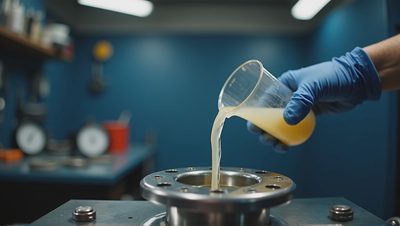
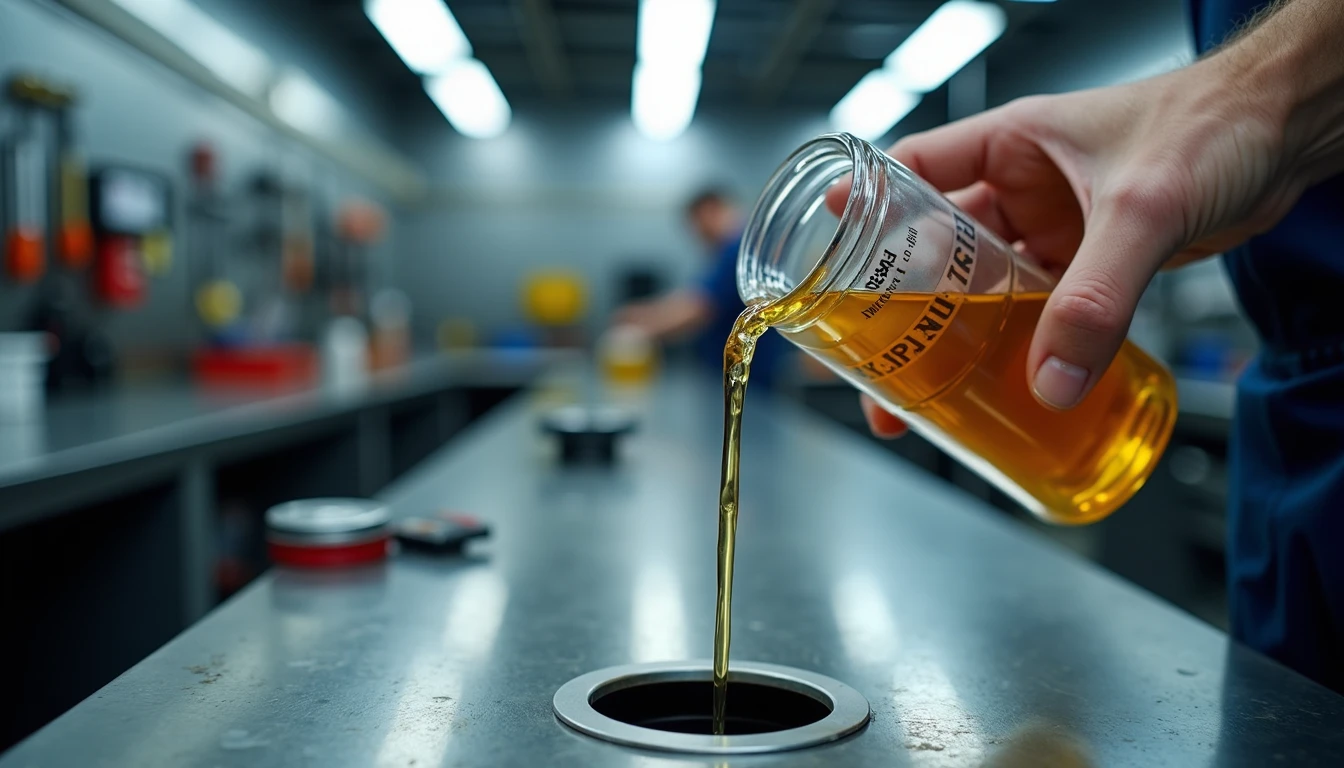
Unsafe maintenance practices remain a primary contamination source. Opening reservoir caps in dusty environments or using unclean transfer containers introduces debris directly into the fluid stream. Always follow clean handling procedures.
> Pro Tip: Always wipe down reservoir caps and surrounding areas with a lint-free rag before opening them. A few seconds of cleaning prevents thousands of abrasive particles from entering the system.
> System Diagram Reference: Visualize a closed-loop hydraulic circuit. Trace the path from the reservoir breather, through the pump, into the control valves and actuators, and back to the tank. Notice how each breach point—breather, rod seal, fill port—acts as a contamination gateway.
Common Mistakes
Many DIY technicians and shade-tree mechanics fall into predictable traps when managing hydraulic fluids. Let’s clear up a few myths and highlight critical pitfalls.
Myth: “If the fluid looks clear, it’s clean.”
Reality: Sub-micron particles and dissolved water don’t always change fluid color. By the time you see sludge or discoloration, chemical degradation or internal wear has already progressed.
Myth: “Topping off fluid fixes contamination issues.”
Reality: Adding fresh fluid to a contaminated reservoir only dilutes the problem. It doesn’t remove abrasive particles, dissolved gases, or oxidized byproducts that are already circulating through your valves and pumps.
> Quick Quiz: Test your understanding of contamination pathways.
> 1. What are the four primary categories of hydraulic contaminants?
> 2. Why does a damaged breather cap allow contamination during normal operation?
> 3. What maintenance habit is cited as a primary source of ingress contamination?
> (Answers: 1. Solid particles, liquids, gases, chemical byproducts. 2. Reservoirs breathe in/out with fluid level changes, drawing in unfiltered air. 3. Opening reservoir caps in dusty environments or using unclean containers.)
Bottom Line
Hydraulic fluid contamination isn’t a mystery—it’s a predictable process with identifiable entry points. By understanding how ingress, internal production, chemical breakdown, and cross-contamination occur, you can implement targeted prevention strategies. Focus on maintaining clean breather caps, inspecting seals and gaskets regularly, and practicing strict fluid-handling hygiene. Treat your hydraulic fluid like the lifeblood of the system it is, and you’ll extend component life, maintain consistent performance, and avoid costly rebuilds. Start with these fundamentals, inspect your system methodically, and let clean fluid do its job.