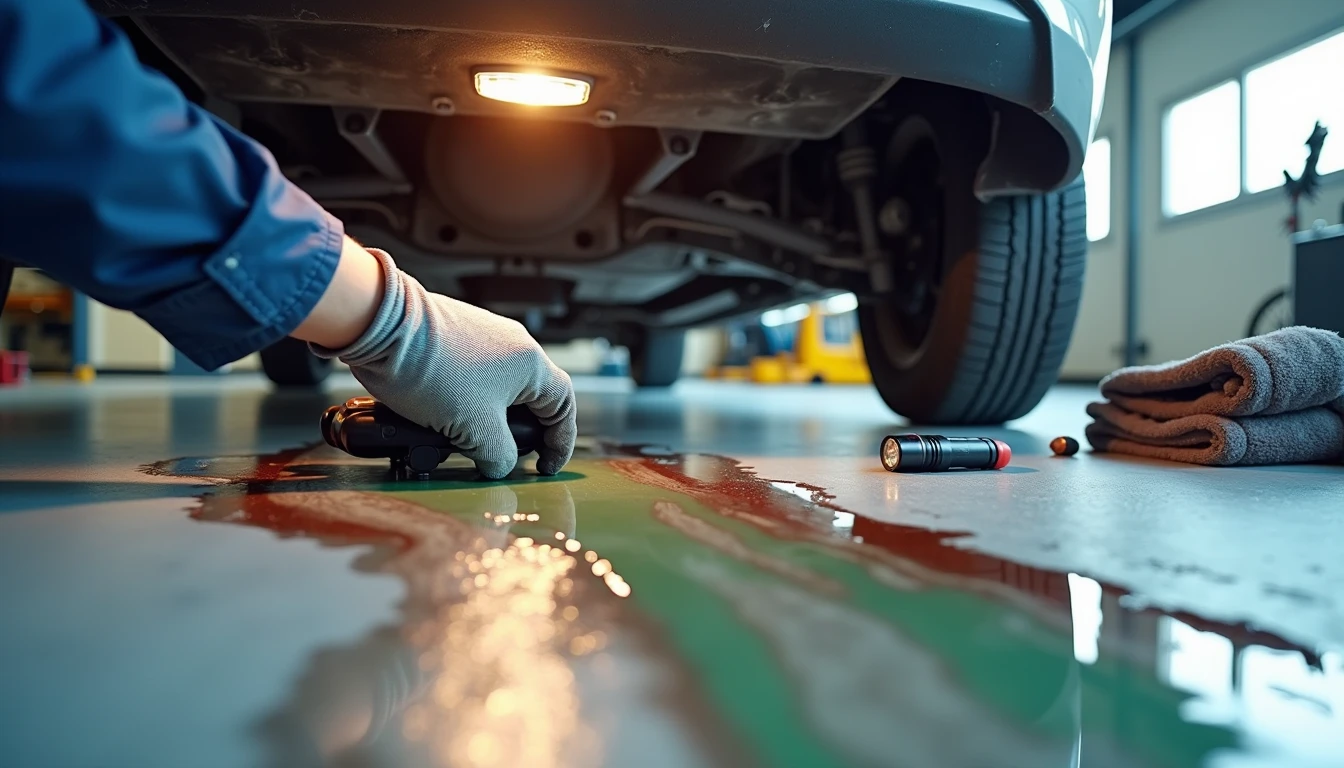
Stop small car fluid leaks early to avoid overheats, brake failure, and thousand-dollar drivetrain repairs
Why This Matters (wallet + safety payoff)
A fluid leak isn’t just a messy driveway spot—it’s often the first visible sign that a key system is losing the lifeblood it needs to survive. Every major system in your car depends on a specific fluid to lubricate (reduce friction), cool (carry heat away), or transmit pressure (move force through a hydraulic system). When a leak drops the level far enough, you can go from “runs fine” to “won’t move” or “won’t stop” surprisingly fast.
Let’s start with the basics and build from there: if you can identify the fluid, confirm the source, and understand the risk, you can prevent the big-ticket outcomes the source warns about—engine damage from oil starvation, overheating that warps engine parts, transmission failure, and reduced braking power.
System Diagram (in your head):
Leak → Fluid level drops → System loses lubrication/cooling/pressure → Heat + wear spike → Symptoms show up → Expensive failure
What You Need to Know (colors, roles, common sources)
Below are the top 5 most common fluid leaks from the source, with plain-English definitions and the typical leak points it lists.
1) Engine oil
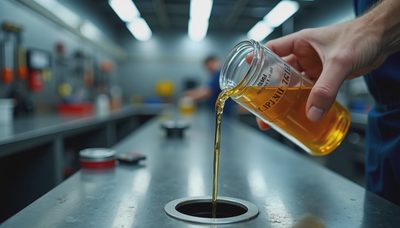
- What it does: Engine oil lubricates internal engine parts, reducing friction and heat.
- Common leak points (from the source): Valve cover gasket, oil pan gasket, crankshaft seals
- Clues: Oil collecting under the vehicle; sometimes a burning smell if oil drips onto hot engine parts.
- Why it’s serious: If the level gets low enough, the engine can be starved of lubrication, causing premature wear or catastrophic failure.
2) Coolant (antifreeze)
- What it does: Coolant (also called antifreeze) circulates through the engine and radiator to regulate temperature.
- Common leak points (from the source): Radiator hoses, water pumps, radiator
- Clues: Bright green, pink, or orange puddles under the car.
- Why it’s serious: Losing coolant can quickly cause overheating, which can damage the head gasket or warp the cylinder head.
3) Transmission fluid (automatic transmissions)
- What it does: Transmission fluid supports smooth shifting and protects internal gears in automatic transmissions.
- Common leak points (from the source): Seals, gaskets, cooling lines
- Clues: Usually reddish fluid.
- Why it’s serious: Low level can cause slipping gears, delayed shifting, or complete failure to engage—and transmission repairs are among the most expensive.
4) Brake fluid
- What it does: Brake fluid transfers pressure from the brake pedal to the brakes (a hydraulic system, meaning it uses fluid pressure to move force).
- Common leak points (from the source): Brake lines, master cylinders, calipers
- Clues: Clear or slightly yellow fluid near the wheels or under the car; may come with a soft/spongy pedal, low fluid level, or warning lights.
- Why it’s serious: Even small leaks reduce stopping power and increase braking distance—this is an immediate safety concern.
5) Power steering fluid
- What it does: Power steering uses fluid under pressure to make turning easier and smoother.
- Common leak points (from the source): Hoses, steering rack, pump
- Clues: Typically red or light brown; steering may feel stiff; may produce whining noises while turning.
- Why it’s serious: Low fluid can damage the power steering pump, increasing repair cost.
Quick Quiz (knowledge check):
1) Which leak can directly increase braking distance?
2) Which leak is most likely to show bright green/pink/orange puddles?
3) Which leak commonly causes whining during turns?
How It Works (a step-by-step leak triage you can follow)
Step 1: Confirm you truly have a leak (not normal water)
If you see liquid under the car, note location and color. Water from air conditioning can drip and look like a “leak,” but the source article focuses on fluids that matter to safety and durability. If the puddle is colored (green/pink/orange, reddish, yellowish), take it seriously.
Step 2: Identify the fluid by color + symptoms
Use these basic identifiers from the source:
- Reddish: often transmission fluid; also can be power steering fluid (source says power steering is typically red or light brown).
- Bright green/pink/orange: coolant/antifreeze
- Clear or slightly yellow near wheels: brake fluid
- Oil under the vehicle + burning smell: possible engine oil leaking onto hot parts
Step 3: Match likely leak points to where you see it
System Diagram:
Puddle location → Nearby components → Likely leak point
- Puddle near engine area: think valve cover gasket, oil pan gasket, crankshaft seals (oil), or radiator hoses / water pump / radiator (coolant).
- Puddle near center underside: could be transmission seals/gaskets/cooling lines.
- Wetness near a wheel: strongly suspect brake fluid from calipers or nearby lines.
- Fluid near steering components and stiff steering/whine: suspect power steering hoses/rack/pump.
Step 4: Decide “park it” vs “drive it to the shop”
Based on the source’s risk statements:
- Brake fluid leak: treat as immediate attention required. Reduced stopping power is not negotiable.
- Coolant leak + temperature gauge rising: take action immediately—overheating can happen suddenly and cause major engine damage.
- Transmission fluid leak with slipping/delayed engagement: stop pushing your luck—low fluid can lead to failure to engage.
- Engine oil leak: don’t ignore it; low oil can starve the engine of lubrication and cause catastrophic failure.
- Power steering leak: driving low on fluid can damage the pump; stiff steering is also a safety issue in emergency maneuvers.
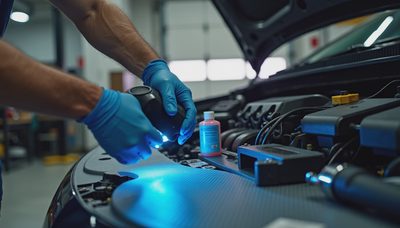
Pro Tip: If you notice a leak, document it. Take a quick photo of the puddle and where it appears under the vehicle after parking. That “pattern” helps a technician trace the source faster—and saves diagnostic time.
Common Mistakes (myths, pitfalls, and costly delays)
1) Mistake: “It’s just a small spot—no big deal.”
The source is clear: even small leaks can point to problems that grow worse over time. A minor seep today can become a fast leak tomorrow.
2) Mistake: Ignoring a burning smell.
The source notes a burning smell can happen when leaking engine oil drips onto hot engine parts. That’s a strong cue to inspect promptly.
3) Mistake: Treating overheating as something you can “watch for a while.”
Coolant loss can lead to overheating quickly, and overheating can damage the head gasket or warp the cylinder head. Waiting for “one more trip” is how small repairs become big ones.
4) Mistake: Continuing to drive with a spongy brake pedal.
A soft or spongy pedal plus low fluid or warning lights can indicate a brake fluid leak. This is safety-critical—don’t delay.
5) Myth: “Transmission leaks are only messy.”
The source stresses low transmission fluid can cause slipping, delayed shifting, or failure to engage, and transmission repairs are among the most expensive services. Early action is the cheapest action.
Quick Quiz (answers):
1) Brake fluid.
2) Coolant (antifreeze).
3) Power steering fluid.
Bottom Line (what to do next)
Fluid leaks are one of the clearest warning signs your car needs attention because each fluid supports a critical job—lubrication, cooling, or pressure transfer. Use color, location, and symptoms to identify whether you’re dealing with engine oil, coolant, transmission fluid, brake fluid, or power steering fluid, then prioritize the truly urgent ones: brake fluid leaks and overheating risks. Catching leaks early is how you avoid the expensive outcomes the source warns about: catastrophic engine damage, warped components, transmission failure, and unsafe braking.