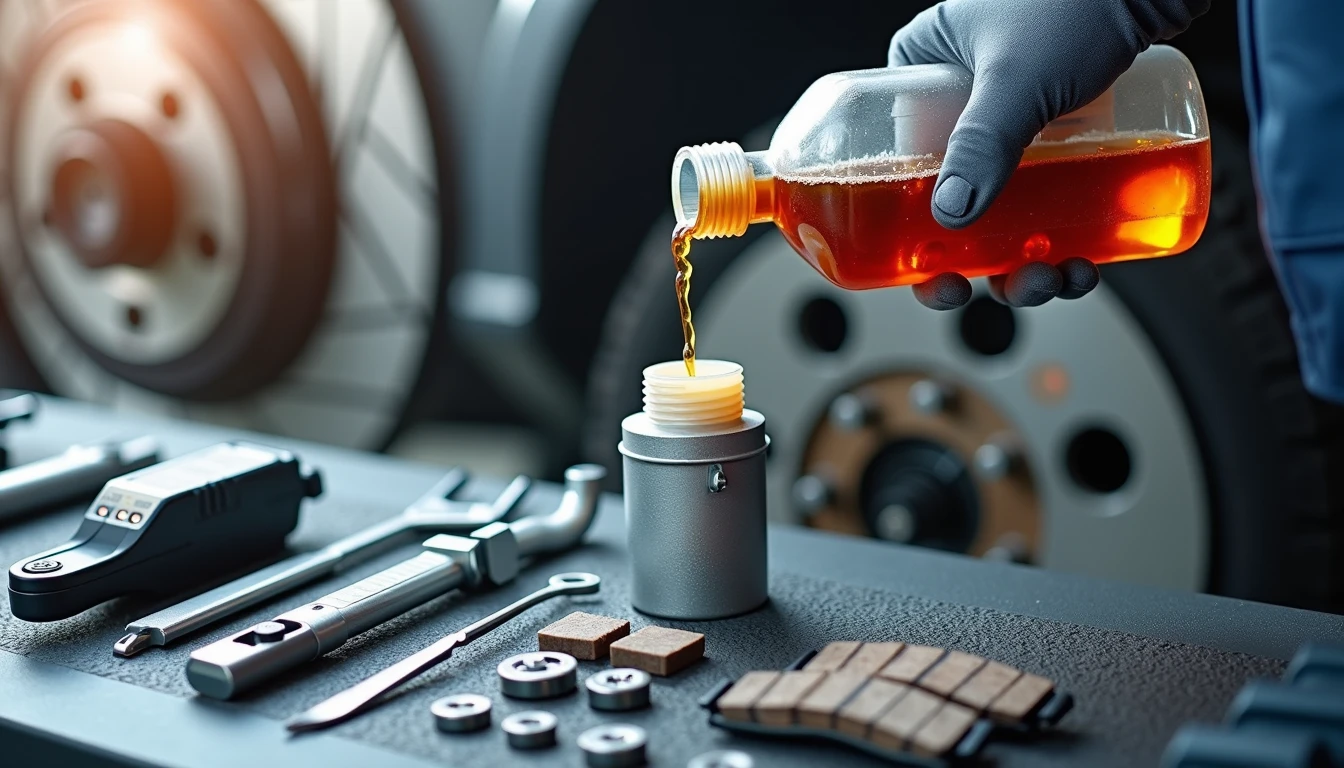
Prevent costly brake failure and stop safely every time with proper fluid care and component checks
Why This Matters
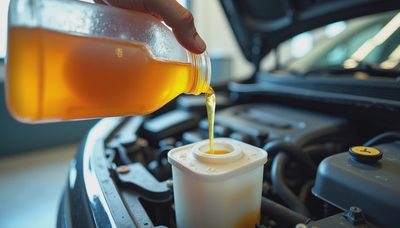
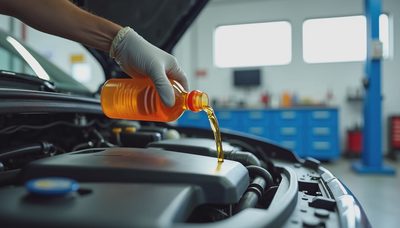
Let’s start with the basics and build from there. Your braking system is the single most critical safety feature on your vehicle, and neglecting it directly impacts your wallet and your survival. When you press the pedal, your vehicle’s weight shifts forward, meaning the front brakes typically handle the majority of the stopping force. If those front components are compromised by degraded fluid or worn friction material, your stopping distance increases dramatically. Brake fluid naturally breaks down over time, absorbing moisture and losing its ability to transfer hydraulic pressure efficiently. Following a preventative maintenance schedule—specifically the 30,000-mile flush interval recommended by Mavis—acts exactly like a timely engine oil change. It removes contaminated fluid before it corrodes internal components, preventing catastrophic failures that can easily cost thousands to repair. Understanding this system isn’t just about avoiding a tow bill; it’s about maintaining predictable, reliable stopping power in every driving condition.
What You Need to Know
Before we dive into the mechanics, we need to establish a shared vocabulary. A standard passenger vehicle typically uses disc brakes on the front wheels and either disc or drum brakes on the rear. Disc brakes use flat, rotating metal discs called rotors, while drum brakes use a hollow, cylinder-shaped component called a brake drum. Friction material, known as brake pads for disc systems and brake shoes for drum systems, is pressed against these rotating surfaces to create the stopping force. The entire operation relies on brake fluid, which is hygroscopic—a technical term meaning it actively absorbs and attracts moisture from the surrounding air over time. This moisture contamination lowers the fluid’s boiling point and promotes internal rust. Mavis explicitly recommends a complete brake fluid flush every 30,000 miles, or sooner if your vehicle’s manufacturer specifies a different interval. Additionally, your tires work in direct conjunction with your brake system. Worn tires lose their ability to adhere to wet, snowy, or icy pavement, rendering even a perfectly maintained brake system ineffective. Always pair brake maintenance with proper tire condition checks.
How It Works
Let’s map the hydraulic pathway so you can visualize the exact sequence. Imagine a System Diagram where each component feeds directly into the next. When you depress the brake pedal, you are physically pushing a piston inside the master cylinder. This action pressurizes the brake fluid and forces it through a network of metal brake lines and flexible rubber hoses. Before reaching the wheels, the fluid passes through proportioning valves or, on most modern vehicles, an ABS (anti-lock brake) system. These components electronically and mechanically regulate the exact amount of fluid pressure sent to each wheel, preventing wheel lockup during hard stops. Once the pressurized fluid arrives at the wheels, it activates the calipers on disc setups or wheel cylinders on drum setups. The calipers clamp the brake pads against the rotors, while the wheel cylinders push the brake shoes outward against the brake drums. This creates intense friction, converting kinetic energy into heat and safely slowing your vehicle.
Pro Tip: Always warm your engine for five minutes before inspecting or servicing brake lines. Cold fluid is more viscous and can give false readings during pressure tests, while warm fluid flows more accurately through the ABS modulator during a flush.
Common Mistakes
DIY enthusiasts and even seasoned shade-tree mechanics frequently fall into predictable traps. First, the myth that “brake fluid never needs changing” is dangerously false. Because the fluid is hygroscopic, it will continuously pull moisture into the system through microscopic pores in rubber hoses and seals. Ignoring the 30,000-mile flush interval guarantees eventual corrosion of the master cylinder and ABS pump. Second, many drivers dismiss early warning signs like grinding noises, shudder, or vibrations when applying the brakes. These are not normal; they indicate worn friction material or warped rotors that require immediate inspection. Third, a spongy or soft brake pedal is often ignored until it becomes a complete failure. This symptom almost always indicates air in the hydraulic lines or severely degraded fluid, both of which compromise pressure transfer. Finally, drivers frequently blame the brakes for poor stopping performance when the actual culprit is tire wear. Despite what online forums claim, your brakes cannot stop the vehicle faster than your tires can grip the road. Always inspect tire tread depth and condition before assuming a brake system fault.
Bottom Line
Your braking system operates as a tightly integrated hydraulic and friction network. By understanding how the master cylinder, ABS components, calipers, and friction materials work together, you can catch issues before they become expensive repairs. Stick to the 30,000-mile fluid flush schedule recommended by Mavis, monitor for noises or pedal changes, and never overlook tire condition. Quick Quiz: What does hygroscopic mean in the context of brake maintenance? Answer: It means the fluid actively absorbs and attracts moisture from the air, which degrades performance and causes internal corrosion over time. Schedule your next inspection, check your fluid level, and keep your stopping power predictable.