When a repair shop recommends a brake fluid service, the brake fluid change cost can seem confusing because the job is less familiar than an oil change or brake pad replacement. Let's start with the basics and build from there. Brake fluid transfers your foot's pressure through the hydraulic brake system to the calipers or wheel cylinders, so its condition affects both stopping performance and safety. A typical service costs about $80 to $180 at an independent shop, while a dealership may charge $120 to $250. The vehicle, fluid type, location, and service method all influence the final bill.
What brake fluid does and why it needs service
Brake fluid is a hydraulic fluid, meaning it carries pressure through a sealed system without being compressed much. When you press the brake pedal, the master cylinder pushes fluid through brake lines. That pressure moves pistons at each wheel, pressing brake pads against rotors or brake shoes against drums.
Most brake fluids are hygroscopic, which means they absorb moisture from the surrounding air over time. Moisture enters through microscopic openings in hoses, seals, and the reservoir vent. As water content rises, the fluid's boiling point falls. During repeated hard braking, such as descending a mountain road or towing a trailer, overheated fluid can produce vapor. Vapor compresses more easily than liquid, creating a soft pedal and reduced braking force.
Old fluid can also contribute to corrosion inside the master cylinder, anti-lock brake system, calipers, and steel lines. The fluid might still look amber or clear while containing enough moisture to deserve attention. This is why a visual inspection alone cannot always answer whether service is due.
System Diagram reference: Picture the system as a chain: brake pedal, booster, master cylinder, lines, ABS hydraulic unit, and wheel actuators. A problem anywhere in that chain can change pedal feel, but a fluid service addresses fluid condition rather than worn pads, damaged lines, or a failing master cylinder.
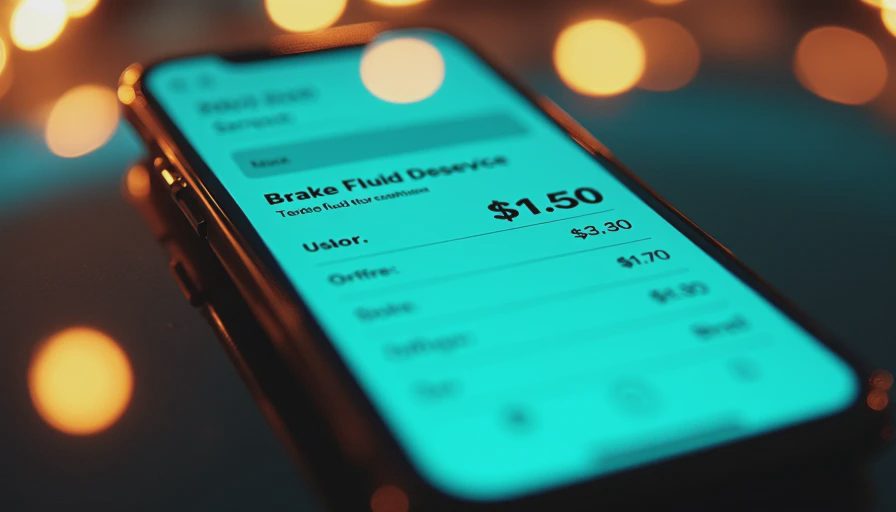
Understanding brake fluid change cost estimates
The brake fluid change cost usually includes removing old fluid, adding fresh fluid, bleeding air from the system, and checking for leaks. Bleeding means opening each wheel's bleeder valve in a specified sequence while new fluid pushes old fluid and air out. A basic gravity or pressure flush might take 30 to 60 minutes. Some vehicles require scan-tool activation of the ABS pump, which can add labor and equipment charges.
For a conventional sedan, $80 to $150 is a reasonable independent-shop range. A crossover, truck, or vehicle with difficult bleeder access may run $120 to $200. Luxury brands such as BMW, Mercedes-Benz, Audi, and Lexus commonly cost more because labor rates are higher and the procedure may require brand-specific instructions. Dealership pricing from $150 to $250 is not automatically excessive if the quote includes a complete flush, fluid, inspection, and electronic ABS procedure.
Ask whether the quote covers a full system flush or only reservoir suction and refill. Removing fluid from the reservoir without bleeding the wheel circuits replaces only a portion of the old fluid. Also ask which specification is required. DOT 3, DOT 4, and DOT 5.1 fluids are glycol-based and generally compatible only when the manufacturer allows substitution. DOT 5 is silicone-based and should not be mixed into a system designed for glycol fluid.
When should you schedule the service?
There is no universal interval for every vehicle. Many manufacturers specify a time-based interval, often two or three years, while others provide a mileage or inspection recommendation. Your owner's manual is the starting point. A vehicle driven in humid Atlanta traffic can experience different moisture exposure than a low-mileage car stored in a dry climate, but calendar age still matters because brake fluid absorbs moisture even when the vehicle is not driven frequently.
Schedule an inspection sooner if the brake pedal feels spongy, braking performance changes after repeated stops, the fluid is very dark, or the reservoir level keeps falling. A low level may indicate worn brake pads, a leak, or recent hydraulic work. Topping off fluid without finding the cause is not a complete repair. Never ignore a red brake warning light, visible fluid near a wheel, or a pedal that slowly sinks while held.
A fluid flush will not fix every soft-pedal problem. Air in the system, a leaking caliper, deteriorated rubber hose, warped components, or a failing master cylinder requires additional diagnosis. This distinction protects your wallet: paying for the right test first is better than paying for repeated parts replacement.

How to compare a shop quote
Start by requesting an itemized estimate. The brake fluid change cost should identify labor, fluid, shop supplies, taxes, and any diagnostic or scan-tool charge. A $79 advertised service might become $145 after fees, while a $175 quote might include a pressure flush, ABS cycling, road test, and leak inspection. Comparing the total service description is more useful than comparing the headline number.
Ask these practical questions in plain language. Is the old fluid removed from all four wheel circuits? Will the technician inspect the bleeder screws and hoses? Is the specified DOT fluid included? Does the shop guarantee that the pedal will be firm after service? Will additional repairs require your approval before work continues?
Independent shops often offer competitive pricing and flexible scheduling. Dealerships have direct access to factory procedures and model-specific tools, which can matter on newer vehicles. National chains such as Firestone Complete Auto Care, Midas, and Meineke frequently advertise brake services, but the actual procedure and local labor rate can differ by location. Read the written estimate rather than relying on a coupon title.
Can you change brake fluid yourself?
A careful home mechanic can perform a brake fluid flush with the correct fluid, a clean pressure bleeder or helper, a catch bottle, a wrench that fits the bleeder screws, and the service sequence from the repair manual. Keep the reservoir from running dry, because introducing air into the master cylinder or ABS unit can turn a simple job into a difficult one. Brake fluid damages many painted surfaces, so wipe spills immediately with water and use clean equipment.
DIY work is not a good first project if you cannot identify the bleeder valves, do not know the required fluid specification, or lack a safe way to lift and support the vehicle. Used fluid is hazardous waste and should be taken to an appropriate collection point, not poured onto soil or into a drain. A professional flush is often worth the brake fluid change cost when the vehicle has an electronic parking brake, integrated ABS controls, or corroded bleeder screws.
A simple decision process for owners
Check the owner's manual for the recommended interval and fluid specification. Then inspect the reservoir color and level without treating appearance as a final diagnosis. Review pedal feel, warning lights, and any evidence of leaks. Request two itemized estimates and confirm that each one describes a complete flush rather than a reservoir-only refill. Finally, approve additional repairs only after the shop explains what failed and why it affects braking safety.
If you remember one concept from this post, make it this one: fluid condition and mechanical condition are separate questions. A flush renews hydraulic fluid, but it does not replace pads, repair leaks, or restore a failing master cylinder. The most useful brake fluid change cost is the one tied to a clearly defined procedure and a complete inspection.
Quick Quiz: Why does moisture matter? Because water lowers brake fluid's boiling point and can promote internal corrosion. What should a quote specify? The fluid type, complete bleeding or flushing procedure, labor, and any scan-tool charges. With those answers, you can choose service based on value and safety instead of a tempting but incomplete price.

No letters yet — be the first to write.