Transmission Fluid Change: Full Guide + Tips
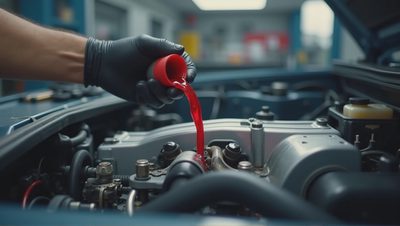
DIY transmission fluid changes are possible for many vehicles. However, sealed transmissions may require professional service. Although transmission fluid changes occur at a less frequent maintenance interval than most service recommendations, they’re still a vital part of vehicle care.
A transmission breakdown can mean costly repairs, a complete rebuild, or even a full replacement. The comprehensive guide below includes everything you need to know about transmission fluid changes, including when and how to do one yourself. How Does Transmission Fluid Help Your Car Function. Many types of automotive transmissions exist, including automatic and manual transmissions, continuously variable transmissions (CVTs), and dual-clutch transmissions (DCTs). Fresh transmission fluid appears red and slightly translucent. Transmission fluid performs the following functions: Lubricates the transmission’s internal components, including shafts, bearings, and gears, to prevent excessive wear Dissipates the heat built up during continued use to prevent overheating and fluid degradation Flows through the transmission cooler to further remove heat from the transmission and maintain optimal operating temperature Maintains proper pressure to keep seals intact and prevent leaks Contains friction modifiers that promote smooth shifting Removes contaminants Drives the torque converter When the transmission fluid begins to degrade, the protective film between internal components wears away, allowing metal-to-metal contact. In addition, changes in the fluid’s composition due to contaminants or excessive heat can also damage the pump and cause it to fail. Transmission failure can easily sideline your vehicle and rack up significant repair bills if left unchecked. When To Schedule a Transmission Fluid Change Consult your owner’s manual to determine when to perform a transmission fluid change. Generally speaking, most manual transmissions require a fluid change every 30,000 miles to 60,000 miles, while automatic transmission fluid lasts anywhere from 60,000 miles to 100,000 miles. Under normal driving conditions, exchanging your vehicle’s transmission fluid every five years can also help maintain its longevity. Your vehicle may also present several signs that indicate it’s time for a transmission fluid change, including the following: Transmission service light Check engine light Degraded transmission fluid that appears dark-colored Burnt transmission fluid Poor transmission performance, including slips, rough shifts, and noise Exact transmission fluid change intervals depend on several factors, including the climate, vehicle make and model, and frequency of use.
At a Glance
- DIY transmission fluid changes are possible for many vehicles
- However, sealed transmissions may require professional service
- Although transmission fluid changes occur at a less frequent maintenance interval than most service recommendations, the
*Read the full story at the source link for more details.*