Stop running your Mazda CX-30 washer tank dry: how to verify the low washer fluid warning (and what to do if you don’t have it)
Why This Matters (cost/safety/longevity payoff)
Washer fluid isn’t “just convenience.” If your windshield gets coated in road salt, pollen, or oily spray, visibility drops fast — especially at night with glare. The practical payoff is simple: keeping washer fluid topped up and knowing whether your car will warn you prevents those “can’t see, can’t clean” moments that can lead to near-misses or a cracked windshield from dry-wiping grit across the glass.
On the wallet side, running dry often tempts drivers to keep using the wipers anyway. That can accelerate wiper blade wear and can scratch the windshield if dirt is dragged across dry glass. A bottle of washer fluid is cheap; windshields and repeated wiper replacements are not.
Let’s start with the basics and build from there.
What You Need to Know (specs, types, intervals)
From the source:
- Vehicle discussed: Mazda CX-30.
- Feature in question: Low washer fluid level warning indication/warning light.
- Manual wording reported: “does have this feature” with a footnote: “Some models.”
- Real-world observation from the owner: their top spec GT Sport Tech ran out of washer fluid “without any warning at all.”
Definitions (no assumptions):
- Washer fluid reservoir (tank): the plastic container under the hood that stores windshield washer fluid.
- Low level sensor: an electrical sensor (often a float switch) that detects when fluid drops below a set point.
- Warning indication/warning light: a message or symbol on the instrument cluster (dash display) that alerts the driver.
What we *cannot* assume (because the source does not specify):
- No confirmed mileage/time interval for topping up.
- No specified washer fluid type, mixture ratio, or Mazda part numbers.
- No confirmed dash icon appearance or exact wording of the warning.
So the goal of this guide is practical: verify whether your specific CX-30 actually has a working low-level warning feature, and set up a simple routine so you never get surprised again.
Quick Quiz
1) What actually triggers a “low washer fluid” warning: the pump, the cap, or a level sensor in the tank?
2) If the manual says “Some models,” does trim level alone guarantee you have the feature?
(Answers at the end.)
How It Works (step-by-step or explanation)
System Diagram (mental model)
Think of the system as a straight line:
Washer tank → Level sensor (if equipped) → Body control electronics → Dash warning
If you get no warning, one of four things is usually true:
1) Your car is not equipped with a level sensor (despite expectations).
2) The sensor exists but is not enabled for your configuration (“Some models” caveat).
3) The sensor exists but has failed (stuck float, wiring issue).
4) The warning works, but the test conditions weren’t met (some warnings only appear with ignition on, or after a restart).
Step 1: Confirm the symptom the right way
The source owner let the tank run completely dry “deliberately not been checking it” to see if a warning appeared. That’s a valid test, but it has one catch: some cars only update certain warnings after a key cycle.
Actionable test:
1) With the washer fluid empty (or very low), turn the ignition on and check the instrument cluster for any warning.
2) If no warning appears, drive briefly (if safe), then shut down and restart.
3) Check again for any warning indication.
Pro Tip: Don’t repeatedly run the washer pump while empty. The pump is an electric motor designed to move fluid; running it dry can overheat it on some designs.
Step 2: Verify whether your CX-30 is actually equipped (not just “should be”)
Because the manual says “Some models”, the only reliable path is to verify equipment on *your* vehicle.
Practical checks:
- Review the manual section for the warning light and look for qualifiers: “if equipped,” “depending on specification,” or region notes.
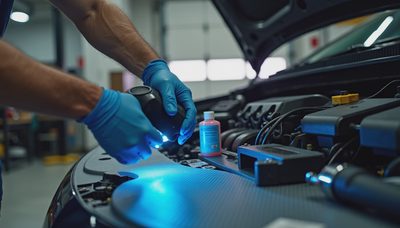
- Under-hood inspection: locate the washer reservoir and look for an electrical connector that would typically go to a level sensor near the lower portion of the tank. (If there’s no sensor or wiring provision, there may be nothing to warn you.)
System Diagram reference: If the “Level sensor” box doesn’t exist in your car, the rest of the chain can’t happen.
Step 3: If equipped, suspect a sensor or configuration issue
If you confirm there’s a sensor present but you still get no warning:
- The sensor float may be stuck.
- The connector could be loose.
- The warning may be disabled for your configuration despite the trim.
At this point, the most cost-effective move is documentation:
- Note the exact trim: GT Sport Tech (from the source).
- Note the behavior: ran dry without any warning.
- Bring that to a dealer or qualified shop and ask them to confirm whether your VIN is supposed to have the low washer fluid warning feature.
Step 4: Build a no-surprises routine (even if you have the warning)
Even when a warning exists, it’s a last line of defense. A simple habit beats a dashboard surprise.
Recommended routine:
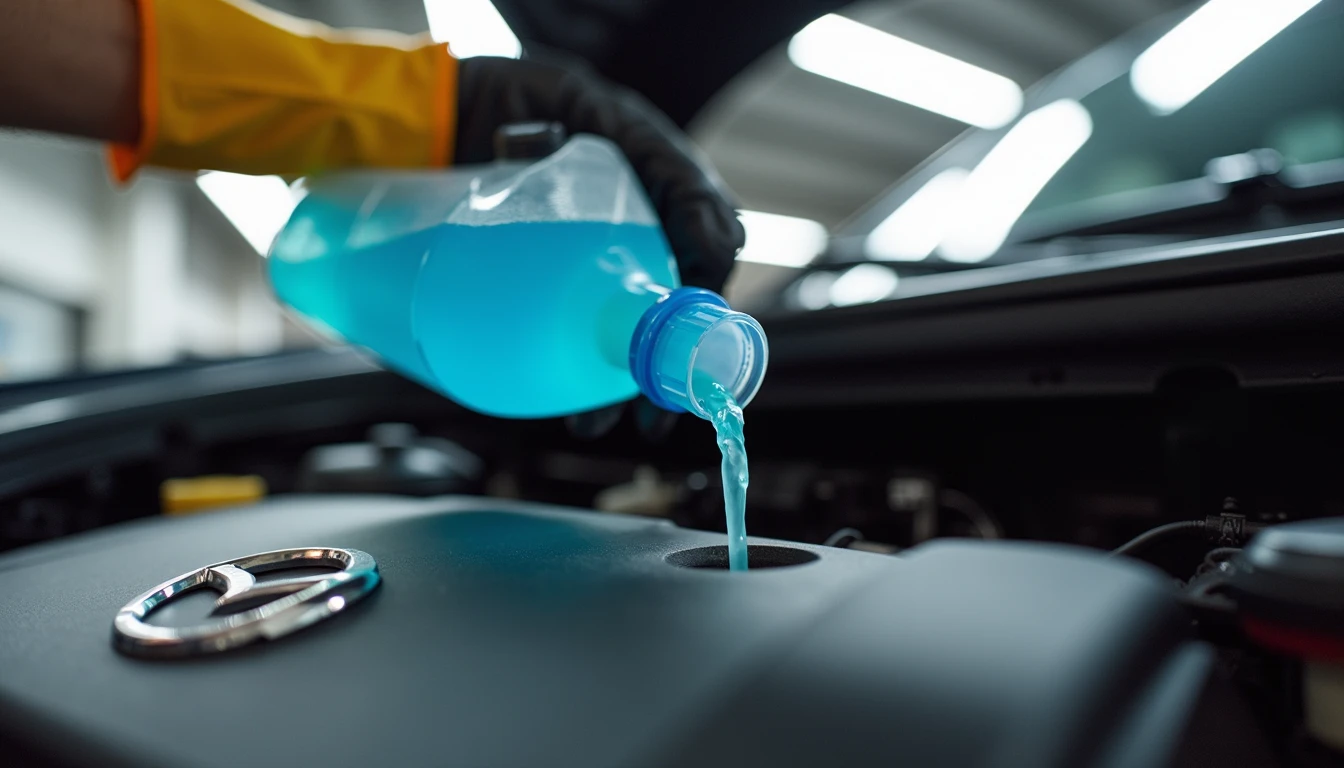
- Pop the hood periodically and visually confirm washer fluid level (look at the tank seam lines).
- If you notice increased washer use (winter roads, bugs, construction dust), check more often.
Pro Tip: If your car has no warning (or it isn’t reliable), keep a spare bottle of washer fluid in the garage so you can top up before a long trip.
Quick Quiz Answers
1) The level sensor in the tank triggers the warning (if equipped).
2) No — the manual explicitly says “Some models,” and the source shows a top trim can still have no warning in real use.
Common Mistakes (myths, pitfalls, warnings)
1) Myth: “Top trim means all features.”
Reality: The manual’s “Some models” disclaimer is there for a reason. Equipment can vary by market, build date, and configuration even within a trim name.
2) Mistake: Testing by repeatedly running the washers empty.
The source user ran it dry to test, which is understandable, but don’t keep activating the pump with an empty tank. Even if it doesn’t fail immediately, it’s unnecessary wear.
3) Mistake: Assuming no warning means a broken car.
It may be normal if your model isn’t equipped. First confirm whether the sensor exists before chasing electrical faults.
4) Mistake: Waiting for a warning as your only “maintenance plan.”
Warnings are reactive. Visibility is safety-critical; treat washer fluid like fuel for your windshield.
Bottom Line (summary, recommended action)
The Mazda CX-30 manual may list a low washer fluid warning, but it’s explicitly marked “Some models,” and at least one GT Sport Tech owner reports the tank ran dry without any warning. Verify whether your specific car is equipped with a washer tank level sensor, then confirm warning behavior across a restart. Regardless of warning availability, build a simple check-and-top-up habit so your visibility never depends on a maybe-feature.