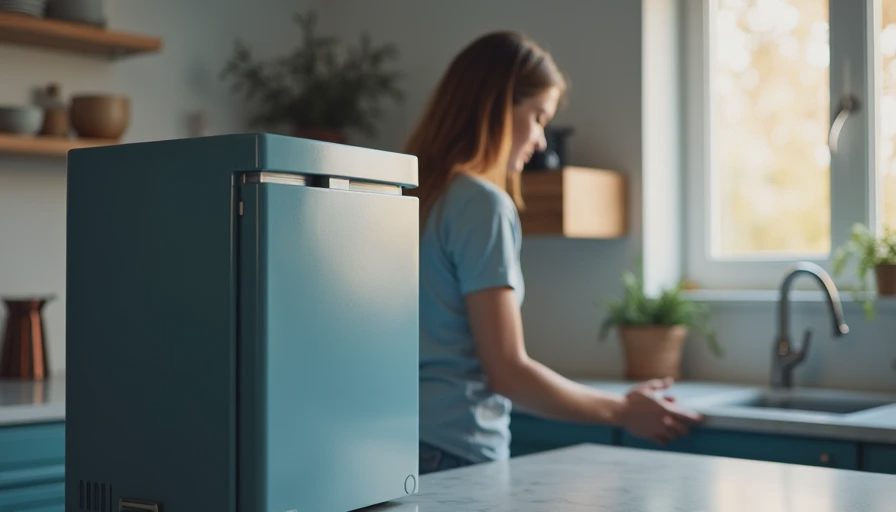
Let's start with the basics and build from there. You've probably heard about water softeners for your home, but did you know that using the best water softener for your car can extend the life of your cooling system and keep your paint looking new? Hard water contains calcium and magnesium minerals that leave deposits. In your radiator, those deposits form scale that reduces heat transfer. On your paint, they leave spots that can etch into the clear coat. Choosing the right water softener is a smart investment for any car owner who wants to avoid costly repairs.
Why Hard Water Is Bad for Your Car
Hard water affects two key areas: the cooling system and the exterior. Inside the cooling system, mineral scale builds up on radiator tubes and water pump impellers. This layer acts as an insulator, making your engine run hotter than designed. Over time, that extra heat accelerates wear on head gaskets and seals. On the paint, hard water leaves mineral deposits when it dries. Those spots can be difficult to remove and, if left too long, can permanently etch the clear coat. The best water softener removes those minerals before they cause trouble.
What to Look for in the Best Water Softener
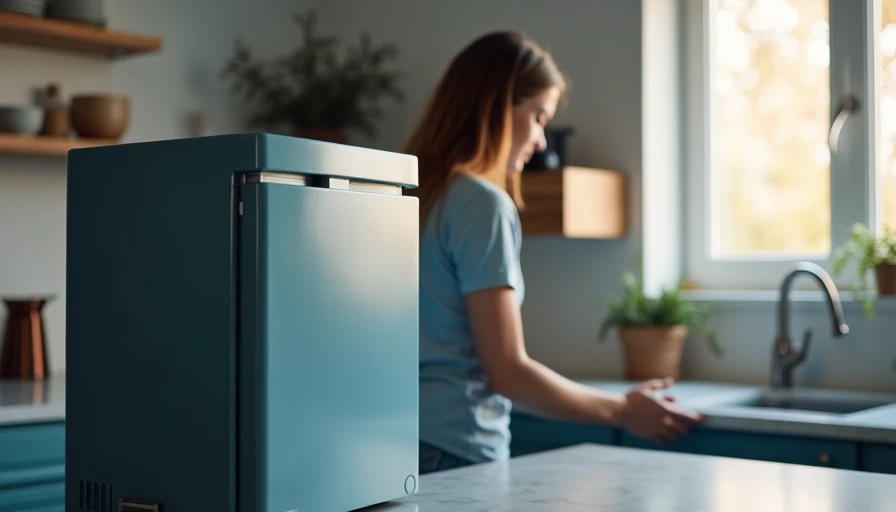
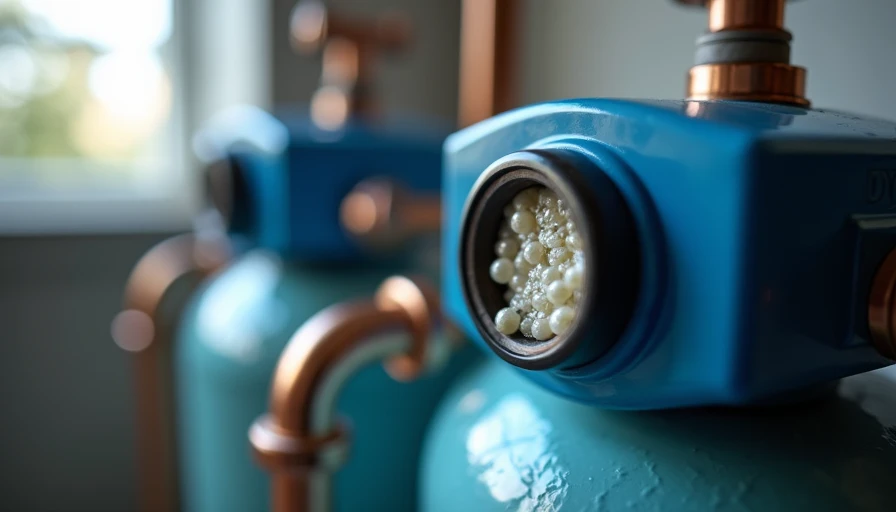
When shopping for the best water softener, consider these features. First, capacity: measured in grains per gallon (gpg). For car use, you don't need a whole-house unit—a smaller point-of-use softener for your wash bucket or a portable unit for your garage can suffice. Second, regeneration type: timer-based or demand-initiated. Demand-initiated regeneration saves salt and water by only regenerating when needed. Third, certification: look for NSF/ANSI Standard 44 for performance. Finally, ease of installation: some units are plug-and-play, others require plumbing. For most car owners, a compact, portable softener is the best water softener choice.
Top Picks for the Best Water Softener
While I don't endorse specific brands, I can share what my students have found effective. The Fleck 5600SXT is a popular whole-house unit that can be adapted for garage use. For a portable option, the On The Go OT-412M is a favorite for car washing because it's easy to hook up to a garden hose. If you need something for just the coolant mix, a small inline filter like the Watts WH-LD is affordable and easy to install. Each of these can be considered the best water softener depending on your setup.
How to Use a Water Softener for Car Maintenance
Using soft water in your car's cooling system starts with the coolant mix. Always use distilled or softened water—never tap water—when mixing antifreeze. The typical 50/50 mix requires water that is free of minerals to prevent scale. For washing, run your hose through a portable softener before the spray nozzle. This eliminates spots and makes drying easier. Many car detailers swear by the best water softener for their wash buckets to keep paint flawless.
Quick Quiz: Test Your Knowledge
- What mineral in hard water causes scale in radiators? (Answer: Calcium carbonate)
- How does scale affect engine temperature? (Answer: It insulates, causing higher operating temps)
- What is the recommended coolant-to-water ratio? (Answer: 50/50)
System Diagram Reference
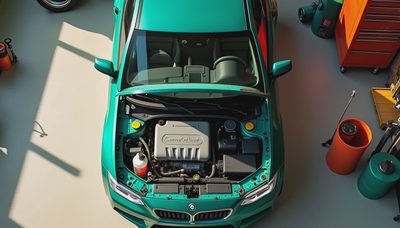
Imagine the cooling system flow: water pump pulls coolant from radiator, circulates through engine block, returns to radiator. Hard water scale restricts flow in the radiator tubes. A water softener removes the calcium and magnesium ions, so scale cannot form. The result is efficient heat transfer and a longer-lasting engine.
Installation Tips for Your Best Water Softener
Installing the best water softener for your car doesn't have to be complicated. Here's a quick checklist to ensure success:
- **Choose the right location**: Place the softener close to your water source, whether it's a garden hose for washing or the fill area for your coolant reservoir.
- **Check water pressure**: Most softeners require a minimum water pressure of 30 psi. Too low pressure may affect regeneration.
- **Bypass valve**: Install a bypass valve so you can still use hard water for tasks like watering plants (plants don't need soft water).
- **Salt type**: Use solar salt or evaporated salt for the brine tank, not rock salt which contains impurities.
- **Initial setup**: Follow the manufacturer's instructions for setting the hardness level and regeneration schedule. For car use, you might set it to regenerate every 2-3 days if you wash frequently.
These steps help you get the most from your best water softener.
Frequently Asked Questions
**Q: Can I use a whole-house water softener for my car?**
A: Yes, but it's overkill. A dedicated point-of-use unit is cheaper and easier.
**Q: How often should I regenerate my portable softener?**
A: It depends on usage. Typically, after 20-30 gallons of softened water, the resin needs regeneration.
Final Thoughts
If you remember one concept from this post, make it this one: the best water softener for your car is the one that removes minerals from the water you put in your radiator and on your paint. It's a small investment that pays for itself by preventing overheating, corrosion, and paint damage. Whether you choose a portable unit for washing or a dedicated softener for your garage, your car will thank you. For more car care tips, check out our other articles on fluids and maintenance.
*Kevin Park teaches automotive technology at a community college in Atlanta. He runs Drivewayschool as an online resource for car owners.*


No letters yet — be the first to write.