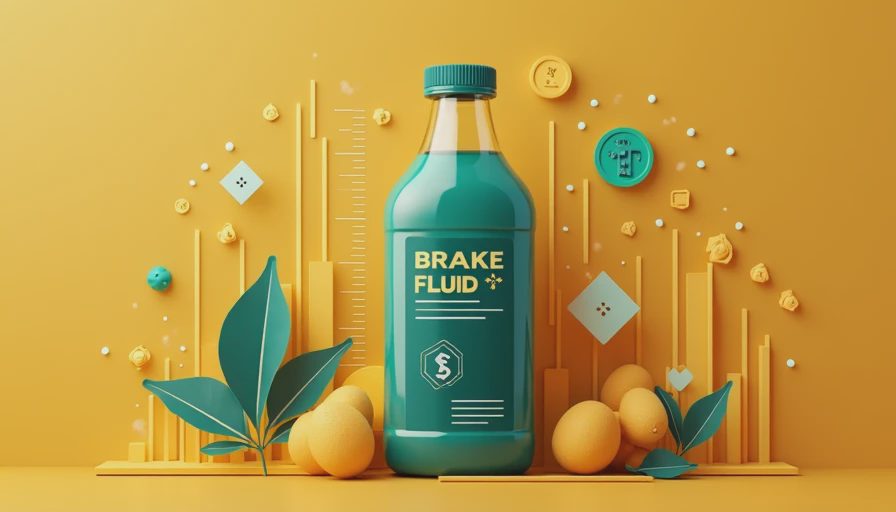
Brake fluid is one of those car basics that gets ignored until the brake pedal feels wrong, a warning light comes on, or a repair bill lands on the counter. That is a mistake, because this fluid is directly tied to safety and can also affect your wallet. Let's start with the basics and build from there. Brake fluid is the hydraulic fluid that transfers force from your foot at the pedal to the brake calipers or wheel cylinders at the wheels. If that fluid is old, contaminated, or low, stopping performance can suffer.
What brake fluid actually does
A brake system works on hydraulics. Hydraulic means a liquid is used to carry force. When you press the pedal, a component called the master cylinder pressurizes the brake fluid and sends that pressure through brake lines to the wheels. At the wheels, calipers squeeze brake pads against rotors, or wheel cylinders push shoes into drums. That is the full cause-and-effect chain.
For brake fluid to do its job, it must handle very high heat and stay chemically stable. Brakes generate heat every time you slow down, especially in traffic, on hills, or during hard stops. If the fluid boils, it creates vapor. Vapor compresses much more than liquid, which can make the pedal feel soft or sink lower than normal. That is why boiling point matters so much with brake fluid.
The other key property is moisture resistance. Most common brake fluids absorb water from the air over time. This process is called hygroscopic behavior. Once water enters the fluid, boiling point drops and internal metal parts can corrode.
DOT ratings: the numbers on the bottle
You will usually see DOT 3, DOT 4, or DOT 5.1 on a brake fluid bottle. DOT stands for Department of Transportation, and the rating describes a performance standard, especially boiling point. In general, DOT 4 has a higher boiling point than DOT 3, while DOT 5.1 is higher still and is used in some performance or heavy-duty applications.
One common point of confusion: DOT 5 is different. DOT 5 is silicone-based, while DOT 3, DOT 4, and DOT 5.1 are glycol-based. Silicone-based DOT 5 is not interchangeable with most everyday passenger-car systems unless the vehicle specifically calls for it. Mixing the wrong types can cause serious problems, so the owner’s manual is the authority.
System Diagram reference: picture the path as pedal, booster, master cylinder, brake lines, flexible hoses, calipers, pads, and rotors. The fluid lives in that hydraulic path and must stay clean and dry.
A quart of quality brake fluid often costs about $10 to $25, while a shop flush commonly runs around $90 to $180 depending on labor rates. Compared with caliper replacement or ABS hydraulic unit repairs, fresh fluid is cheap prevention.
How brake fluid goes bad and the warning signs
Brake fluid does not wear out like engine oil from soot and combustion byproducts, but it does degrade. The main enemy is moisture. Even in a sealed system, tiny amounts of water can enter through venting at the reservoir, through rubber hoses, and during service. As moisture content rises, the fluid’s wet boiling point drops. Wet boiling point means the fluid’s boiling resistance after it has absorbed some water in real-world use.
Symptoms of old brake fluid can include a soft pedal, reduced confidence during repeated stops, rusty-looking fluid in the reservoir, or poor ABS performance during panic braking. You might also notice the fluid looking dark brown instead of light amber. Dark color alone does not prove failure, but it is a clue that inspection is overdue.
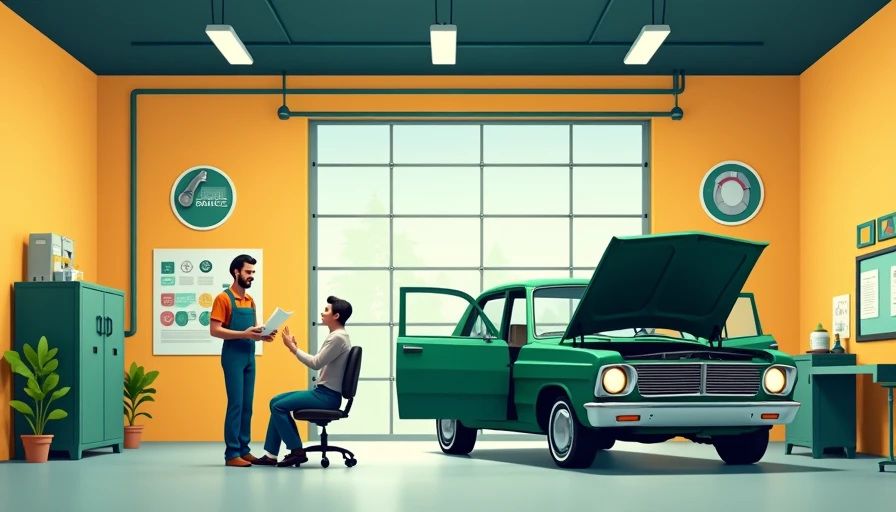
Low brake fluid can also trigger a dash warning light. Sometimes that is from worn brake pads, because as pads wear down, caliper pistons extend farther and fluid level in the reservoir drops. Sometimes it is from a leak, which is more urgent. If the level is suddenly low, do not just top it off and move on. Find the cause.
If you remember one concept from this post, make it this one: brake fluid condition affects both pressure transfer and heat tolerance.
When to change brake fluid and what service looks like
Many manufacturers recommend changing brake fluid every two to three years, though some use mileage-based intervals and some are less specific. The smart move is to check the owner’s manual and then use a little judgment based on climate, driving style, and vehicle age. A car that sees mountain driving, towing, or stop-and-go commuting works the brakes harder than a lightly driven highway car.
A proper brake fluid service is usually called a flush or bleed. Bleeding means removing air from the brake system. A flush means pushing old fluid out and replacing it with fresh fluid until clean fluid comes out at each wheel. Shops may use pressure bleeders, vacuum bleeders, or manual two-person methods. All can work when done correctly.
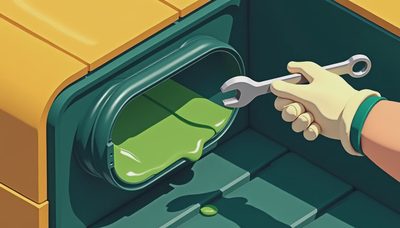
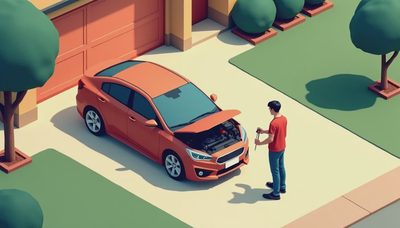
The big caution for DIY drivers is cleanliness. Brake fluid can damage paint, and introducing dirt or the wrong fluid into the reservoir can create expensive problems. On many newer vehicles, especially those with advanced ABS and stability control systems, service procedures matter. If you are unsure, paying for a professional flush is often the cheaper decision in the long run.
Choosing the right brake fluid and building good habits
Start with the specification listed on the reservoir cap or in the manual. If the cap says DOT 3, use a fluid that meets DOT 3. If it says DOT 4, use DOT 4. Some DOT 4 fluids are compatible with systems that originally used DOT 3, but the safest classroom answer is simple: match the required spec unless a trusted service manual says otherwise.
Brand matters less than specification and freshness. A sealed bottle from a reputable brand such as Prestone, Bosch, Valvoline, or Castrol is generally a safer choice than an old bottle opened months ago. Once opened, brake fluid starts absorbing moisture from the air, so do not keep partly used containers around for years.
Good habits are simple: check fluid level during routine maintenance, inspect color, replace the reservoir cap tightly, and schedule a flush on time. Quick Quiz: What does brake fluid transfer? Why does water lower braking safety? Which DOT types should not be mixed casually? If you can answer those, you understand more than most drivers standing in an auto parts aisle.
No letters yet — be the first to write.