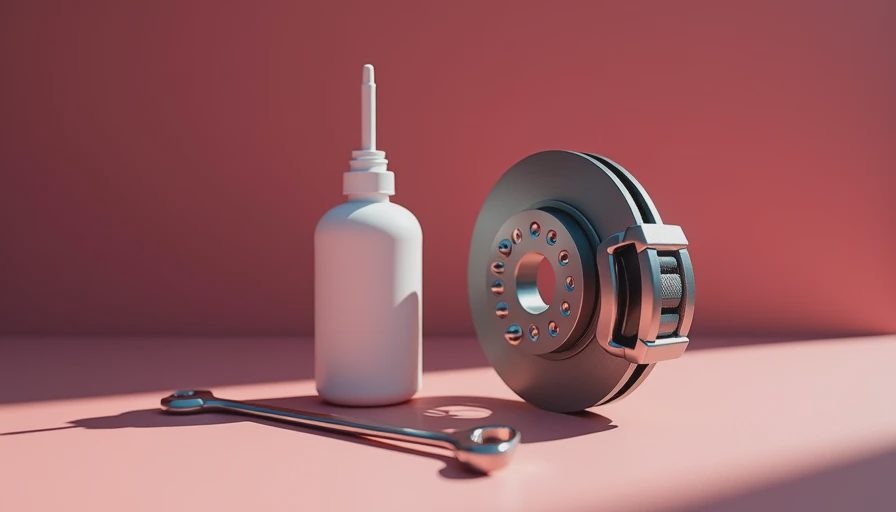
Let's start with the basics and build from there. If you own a car, you've heard of oil changes and coolant flushes, but the **brake fluid flush** often gets overlooked. Your brakes are the most critical safety system on your vehicle, and the fluid inside them is what makes stopping possible. Over time, brake fluid absorbs moisture from the air, which lowers its boiling point and can lead to brake fade or even failure. A brake fluid flush replaces that old, contaminated fluid with fresh fluid, restoring your braking system's performance and protecting components from corrosion. It's a simple maintenance task that can save you money and, more importantly, keep you safe.
Why Brake Fluid Flush Matters
Brake fluid is hygroscopic—it attracts water. Even in a sealed system, moisture seeps in through microscopic pores in rubber hoses and past seals. That water contamination lowers the fluid's boiling point. Under hard braking, the fluid can boil, creating vapor bubbles in the brake lines. Because vapor compresses while liquid doesn't, you'll feel a spongy pedal and reduced stopping power. A **brake fluid flush** removes that water-laden fluid before it causes problems. It also flushes out debris and corrosion particles that can damage your master cylinder, calipers, and ABS hydraulic unit. System Diagram reference: imagine the brake lines as a drinking straw filled with water. If you add air bubbles, you can't suck as effectively. Same principle here.
Signs You Need a Brake Fluid Flush
How do you know it's time? Here are clear indicators:
- **Spongy or soft brake pedal** – if the pedal feels mushy or sinks lower than usual, moisture has likely degraded the fluid.
- **ABS system acting up** – the anti-lock braking system relies on precise hydraulic pressure. Contaminated fluid can cause false activations or warning lights.
- **Dark or cloudy fluid** – fresh brake fluid is clear or slightly amber. If it looks dark brown or black, it's time for a **brake fluid flush**.
- **You've hit the manufacturer's interval** – most automakers recommend a flush every 2–3 years or 30,000 miles, regardless of appearance.
If you notice any of these, don't wait. A **brake fluid flush** is inexpensive insurance against brake failure.
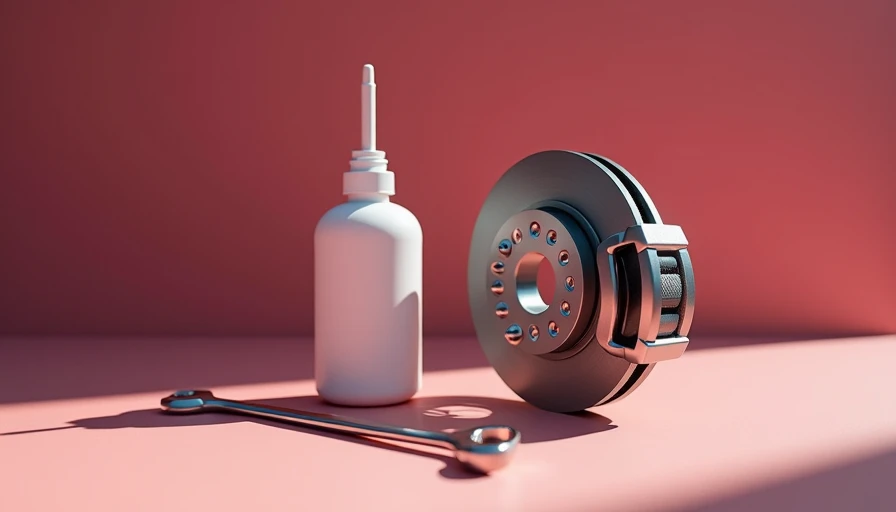
How Often Should You Do a Brake Fluid Flush?
There's no one-size-fits-all answer, but industry consensus points to every 2 years or 30,000 miles. Check your owner's manual first—some luxury brands recommend 2 years, others 3. If you live in a humid climate (like me in Atlanta), moisture absorption happens faster, so stick to the shorter interval. If you track your car or tow heavy loads, consider an annual **brake fluid flush**. The fluid's boiling point is especially critical in high-temperature conditions. Quick Quiz: What's the primary reason brake fluid degrades over time? (Answer: moisture absorption.)
How to Perform a Brake Fluid Flush (Step-by-Step)
A proper **brake fluid flush** uses the two-person method or a pressure bleeder. Here's the standard procedure:
- **Gather supplies** – DOT 4 or DOT 5.1 brake fluid (check your manual; never mix DOT 5, which is silicone-based, with others), a wrench or bleeder kit, a clear plastic hose, a catch bottle, and safety glasses.
- **Locate the brake bleeder screws** – one on each caliper or wheel cylinder. Clean them to avoid pushing dirt into the system.
- **Bleed in the correct order** – start with the wheel farthest from the master cylinder (usually rear passenger side), then move to rear driver, front passenger, front driver.
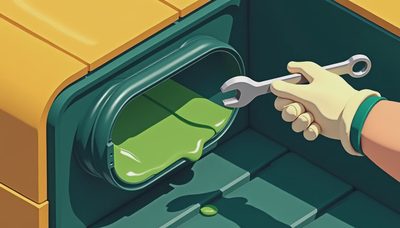
- **Have an assistant pump the brake pedal** – 3–5 times, then hold pressure. Open the bleeder screw slightly to let fluid (and air) escape. Close the screw before the pedal reaches the floor. Repeat until clean fluid flows without bubbles.
- **Refill the master cylinder** frequently – never let it run dry, or you'll introduce air and have to start over.
- **Test the pedal** – it should feel firm. If spongy, there's still air; repeat the process.
If this sounds involved, it is. A **brake fluid flush** is a straightforward but meticulous job. If you're not comfortable, a shop can do it in about an hour.
DIY or Professional: Cost Comparison
Doing it yourself costs about $10–$20 for a quart of DOT 4 fluid and a $5 bleeder kit. A shop will charge $80–$150 for a **brake fluid flush** depending on your vehicle and location. If you have the tools and patience, DIY saves money. But remember: mistakes can introduce air into the system, leading to a spongy pedal or brake failure. If you're unsure, pay the pro—it's worth the peace of mind. Also, some shops use a machine that flushes the ABS module, which a DIY bleed won't reach. That's important for modern cars with electronic stability control.
Quick Quiz: Test Your Knowledge
- What does hygroscopic mean?
- How often should you do a **brake fluid flush**?
- What happens if brake fluid absorbs too much water?
(Answers: 1. Attracts moisture. 2. Every 2 years or 30,000 miles. 3. Boiling point drops, causing brake fade or failure.)
If you remember one concept from this post, make it this one: regular **brake fluid flush** intervals keep your brakes reliable. Don't wait for symptoms—prevent them. Your safety depends on it.
No letters yet — be the first to write.