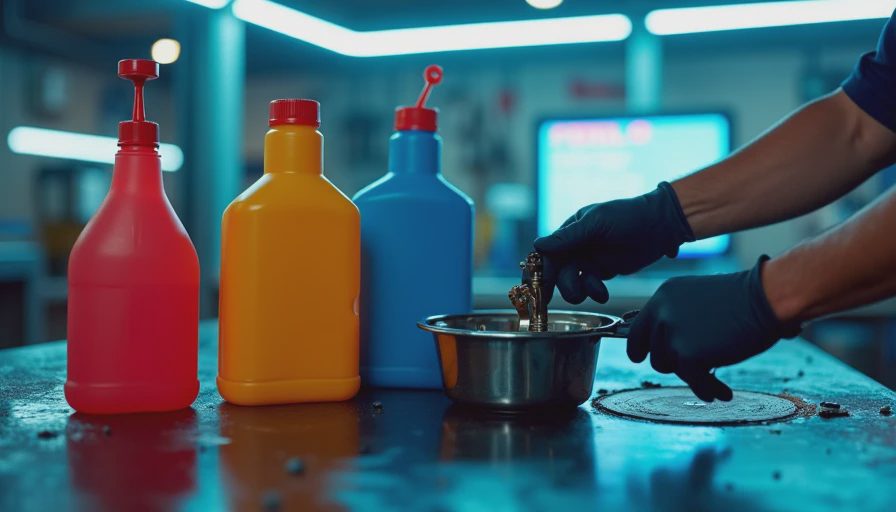
A **transmission fluid change** matters because it can be the difference between a routine $150 to $350 service and a repair bill that climbs into the thousands. Let's start with the basics and build from there. Transmission fluid is the oil-like fluid that lubricates moving parts, helps control heat, and, in many automatic transmissions, also transfers hydraulic pressure. Hydraulic pressure means fluid force used to apply clutches and shift gears. When that fluid gets old, overheated, or contaminated, shifts can become rough, delayed, or noisy.
For most drivers, this is not just a maintenance item on a checklist. It is protection for one of the most expensive systems in the vehicle. Whether you drive a Honda CR-V, Ford F-150, Toyota Camry, or Nissan Rogue, the right service at the right time helps the transmission last longer and drive more smoothly.
What transmission fluid actually does
Think of the transmission as a machine full of gears, bearings, clutch packs, seals, and channels. A clutch pack is a group of friction discs that engage different gear ratios. Transmission fluid has several jobs inside that machine. First, it lubricates metal parts so they do not wear each other down. Second, it carries heat away from components. Heat is a transmission's enemy because high temperature breaks fluid down faster. Third, in an automatic transmission, the fluid acts as a working fluid that creates the pressure needed for gear changes.
That last point is why fluid condition matters so much. Engine oil mainly lubricates. Automatic transmission fluid often lubricates, cools, cleans, and operates the system. In a continuously variable transmission, or CVT, the fluid is even more specialized because it must work with belts, pulleys, and tight friction requirements. Manual transmissions also use fluid, but the chemistry is often different and the service approach is not always the same.
System Diagram reference: picture the fluid path from the pan, through the pump, into valve passages, through clutch circuits, and back through the cooler. When students see that path, service intervals make much more sense.
When a transmission fluid change is usually needed
There is no one perfect mileage for every vehicle, which is why I always tell readers to start with the owner's manual. Many automakers list intervals somewhere between 30,000 and 60,000 miles for severe service, while some stretch much longer under light driving. Severe service means repeated stop-and-go traffic, towing, mountain driving, extreme heat, or lots of short trips. For a daily commuter in Atlanta traffic, severe service is often the more honest category.
A **transmission fluid change** is usually smarter to do a little early than a lot late. If a shop says your fluid is "lifetime," ask what that really means. Lifetime fluid does not mean the fluid never ages. It usually means the manufacturer expects it to last through a target service life under typical conditions. If you want to keep the vehicle well past 100,000 miles, periodic service is still a practical idea.
Typical pricing depends on the vehicle and the method. A basic drain-and-fill might cost $120 to $250. A pan drop with filter replacement, when the design includes a serviceable filter, may run $200 to $400. Dealer pricing for certain sealed transmissions or CVTs can be higher, but that cost is still small next to a replacement transmission.
Change vs. flush: know the difference before you say yes
Drivers often hear two terms: fluid change and flush. They are not the same. A **transmission fluid change** usually means draining what comes out of the pan and refilling with fresh fluid. In many vehicles, that replaces only part of the total fluid because some remains in the torque converter, cooler lines, and internal passages. A torque converter is the fluid coupling between the engine and the automatic transmission.
A flush typically uses a machine or fluid exchange process to replace more of the old fluid. That can be useful in the right situation, but it is not automatically better. If a neglected transmission already has slipping, burnt fluid, or internal wear, aggressive service is not a magic fix. In fact, the real problem is mechanical wear, not just dirty fluid. Fresh fluid cannot rebuild damaged clutches.
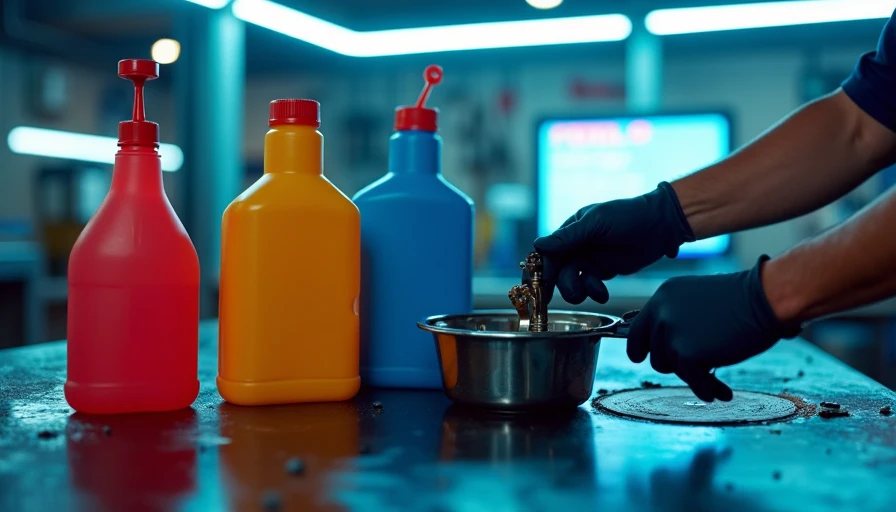
My teaching rule is simple: use the service method the manufacturer recommends, and use the exact fluid specification. This matters more than many drivers realize. Dexron, Mercon, ATF+4, Honda ATF, and CVT-specific fluids are not interchangeable just because the bottles are red or labeled "multi-vehicle." Some aftermarket fluids are excellent, but the spec match must be exact.
Warning signs your fluid is overdue
The clearest sign is often how the vehicle shifts. A delayed engagement when shifting into Drive or Reverse can point to pressure loss or worn fluid. Harsh shifts, slipping, shuddering, or a rising engine speed without matching acceleration are other red flags. Shudder means a vibration or chatter felt during acceleration or gear changes. Some vehicles also trigger a transmission temperature warning or a check engine light tied to shift performance.
Fluid condition tells a story too. Healthy automatic transmission fluid is usually red, pink, or amber depending on age and type. Dark brown fluid with a burnt smell suggests overheating. A small amount of fine debris on a pan magnet can be normal wear, but heavy metal particles are a concern. If fluid looks milky, that can indicate coolant contamination, which needs immediate diagnosis.
One caution: if a transmission is already slipping badly, do not expect a **transmission fluid change** to cure it. Sometimes service helps a mildly neglected unit shift better. Sometimes the wear is already advanced. The goal of maintenance is prevention, not rescue.
How to make the smart service decision
Start with three questions. First, what does the owner's manual call for? Second, what fluid specification does your transmission require? Third, are you maintaining a healthy transmission or trying to save a failing one? Those answers guide the plan.
For a healthy vehicle with regular maintenance history, routine service is usually a strong value. If you keep cars a long time, this is one of the best maintenance dollars you can spend. If you are shopping prices, compare independent shops, transmission specialists, and dealers. Ask whether the quote includes OEM or exact-spec fluid, pan gasket, filter if applicable, and labor. Cheap service that uses the wrong fluid can cost far more later.
If you do DIY work, use measured refill amounts, the correct temperature procedure if required, and the proper level-check method. Some transmissions have dipsticks; many newer ones do not. Overfilling can foam the fluid, and underfilling can starve components of pressure.
If you remember one concept from this post, make it this one: the best **transmission fluid change** is preventive, correctly specified, and done before symptoms become expensive.
Quick Quiz: lock in the fundamentals
Quick Quiz:
- What are the four main jobs of transmission fluid? Lubrication, cooling, cleaning, and hydraulic operation in many automatics.
- What is severe service? Conditions like towing, stop-and-go traffic, hills, heat, and short trips that stress the fluid faster.
- Is a flush always better than a change? No. The right method depends on the vehicle design, condition, and manufacturer guidance.
- What matters most during service? Using the exact fluid specification and correct fill procedure.
- What is the money lesson? Spending a few hundred dollars on maintenance can help avoid repair bills that run several thousand.
System Diagram reference: review the flow from pan to pump to valve body to clutches to cooler. Once you understand that path, transmission maintenance stops feeling mysterious and starts feeling logical.


No letters yet — be the first to write.