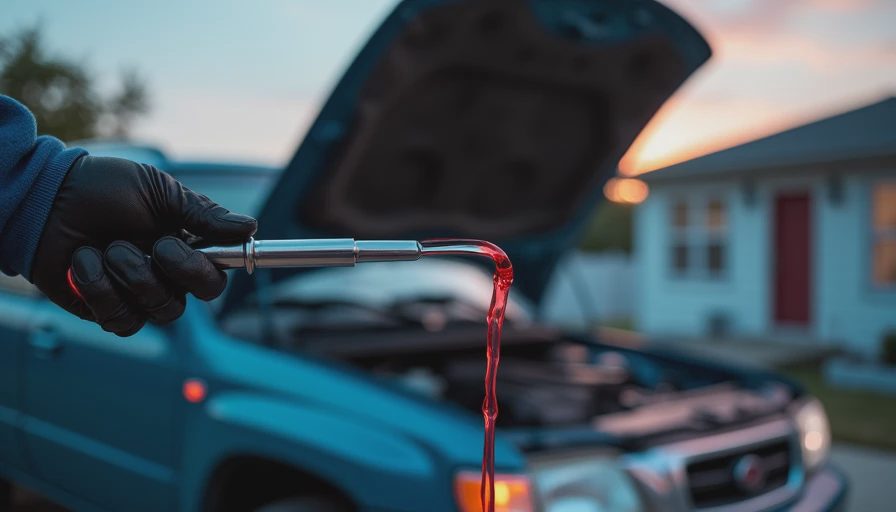
Transmission fluid matters because it protects one of the most expensive systems in your vehicle. Ignore it long enough, and a simple maintenance item can turn into a repair bill that runs from a few hundred dollars for service to several thousand dollars for a transmission rebuild or replacement. Let's start with the basics and build from there. **Transmission fluid** is the lubricating and hydraulic fluid used inside a transmission. In an automatic transmission, it helps transfer force, control shifting, cool internal parts, and reduce wear. In a manual transmission, the fluid's main job is lubrication and heat control.
What transmission fluid actually does
Think of a transmission as a machine full of gears, clutches, bearings, valves, and passages. A **clutch** is a friction component that engages and disengages power. A **valve body** is the control section in many automatic transmissions that routes fluid through small channels. In an automatic, transmission fluid is not just oil. It is a working fluid. It creates hydraulic pressure, carries heat away from moving parts, and allows smooth clutch engagement.
That is why the exact fluid matters. Automatic transmission fluid, often called ATF, contains friction modifiers, detergents, anti-wear additives, and seal conditioners. A continuously variable transmission, or CVT, often uses its own dedicated fluid because the pulley-and-belt or chain system needs different friction behavior. A dual-clutch transmission may use yet another formula. If you remember one concept from this post, make it this one: the right fluid is a designed part of the transmission system, not a generic refill.
System Diagram reference: picture a loop of pump, valve body, clutch packs, cooler lines, and pan. The fluid moves through all of them, so one neglected fluid affects the whole system.
How transmission fluid breaks down over time
Fluid does not wear out like brake pads, but it does degrade. **Oxidation** is a chemical reaction with heat and oxygen that thickens fluid and reduces performance. Additives get used up. Tiny wear particles collect in the pan and filter. Repeated heat cycles darken the fluid and can create a burnt smell.
Healthy transmission fluid is usually red, pink, amber, or light brown depending on the type and age. Burnt fluid is often dark brown and smells sharp or scorched. Contaminated fluid can also look foamy, which may mean overfill or air entering the system, or milky, which can suggest coolant contamination.
Common warning signs include delayed shifting, slipping, shuddering, rough engagement into Drive or Reverse, or a transmission temperature warning on newer vehicles. None of those automatically means failure, but they do mean stop guessing and inspect the fluid condition, level, and service history.
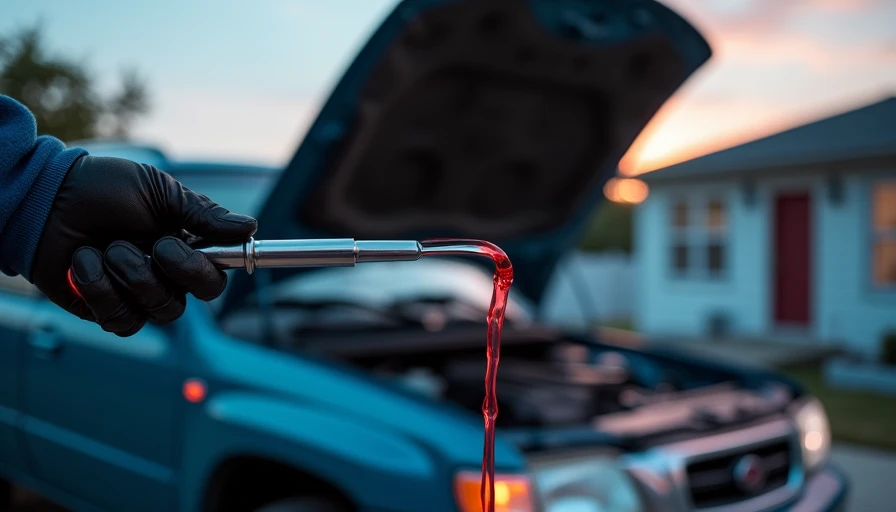
A good shop can often perform a drain-and-fill service for roughly $150 to $350, while a full fluid exchange on some vehicles costs more. Compare that with replacement costs that can easily land in the $3,000 to $7,000 range for many modern vehicles. That is why routine fluid service is one of the better maintenance values on the car.
When to change transmission fluid
There is no one-mileage answer for every vehicle. Some owners manuals call for service around 30,000 to 60,000 miles under severe use, while others stretch longer. **Severe use** means frequent stop-and-go driving, towing, mountain driving, heavy loads, repeated short trips, or high heat. Atlanta summer traffic absolutely counts as hard use in my book.
Do not rely on the phrase “lifetime fluid” as permission to ignore the system forever. In the engineering world, lifetime often means the expected service life under a certain test plan, not your personal goal of keeping a car healthy for 180,000 miles. For many owners, checking the manual and planning a preventive service before problems start is the smarter move.
If the vehicle is new to you and the history is unknown, ask a shop to inspect fluid condition first. On a well-behaved transmission, a drain-and-fill is often the cautious starting point. On some neglected units that are already slipping badly, the conversation changes, because the damage may already be mechanical rather than fluid-related.
Choosing the right transmission fluid and service type
This is where many expensive mistakes happen. Dexron, Mercon, ATF+4, CVT fluid, and manufacturer-specific fluids are not interchangeable just because the bottle says transmission on it. Always match the specification listed in the owners manual or service information.
There are also different service methods. A **drain and fill** removes fluid from the pan and replaces part of the total capacity. A **filter** change, when the design allows it, replaces the screen or media that catches debris. A **fluid exchange** uses equipment to replace more of the old fluid in the system. None of these is automatically best for every car. The right choice depends on the transmission design, mileage, and condition.
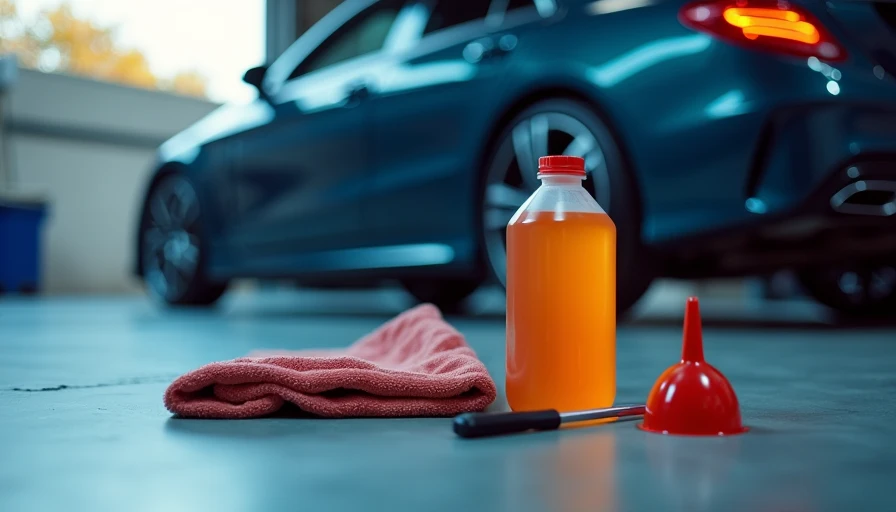
For DIY owners, check whether your vehicle even has a dipstick. Many newer transmissions use a check plug and temperature-based level procedure. That means fluid level must be set at a specific temperature range while the vehicle is level. Overfilling can cause foaming. Underfilling can starve components of lubrication and pressure. This is one job where the correct procedure matters as much as the fluid itself.
Smart ownership tips that save money
Start with your owners manual, then build a maintenance plan around how you actually drive. If you tow a trailer, sit in commuter traffic daily, or plan to keep the vehicle long term, move transmission fluid higher on your priority list. Keep receipts, because documented maintenance helps resale and makes diagnosis easier later.
If you are comparing service shops, ask three practical questions: What fluid specification will you use? Are you replacing the filter if the transmission has one? Will you perform a drain-and-fill or an exchange, and why? Good answers should be clear and specific, not vague sales talk.
If your transmission is already acting up, do not let a coupon decide the repair path. A low-cost fluid service can be worthwhile maintenance, but it is not a magic cure for broken clutch packs, worn solenoids, or internal bearing damage. Accurate diagnosis saves money faster than random parts swapping.
Quick Quiz:
- What are the four main jobs of transmission fluid in an automatic transmission?
- Why is CVT fluid not the same as standard ATF?
- What does a burnt smell usually suggest?
- Why can overfilling be harmful?
If you can answer those, you understand more than most drivers already. And if your vehicle is due, now is a smart time to schedule a transmission fluid inspection or service before a small maintenance item turns into a major repair.


No letters yet — be the first to write.