Every car owner asks this sooner or later: should I check oil hot or cold? The answer isn't as simple as you might think. If you check oil when the engine is cold, the reading can be misleading because oil thickens at low temperatures. If you check it immediately after shutting off a hot engine, the oil hasn't had time to drain back into the pan, giving a falsely low reading. Getting this wrong can lead to overfilling or underfilling—both of which can damage your engine. In this guide, we'll walk through the science and the procedure so you never wonder again.
Why Does Temperature Matter?
Let's start with the basics and build from there. Engine oil changes viscosity with temperature. Cold oil flows slowly and clings to surfaces, so the level in the pan appears lower than it actually is. Hot oil is thin and drains quickly, but after a drive, some oil still clings to moving parts. If you pull the dipstick immediately, the hot oil hasn't all returned to the pan, giving a false low reading. The sweet spot is a warm engine that has been shut off for a few minutes. Most manufacturers specify checking oil when the engine is at operating temperature but after a short rest. This is why the answer to "when should I check oil hot or cold" is actually "warm and rested."
How to Check Oil Hot or Cold - The Right Way
Here is the procedure I teach in my weekend classes. Follow these steps to get an accurate reading every time.
- Park your car on level ground. A slope throws off the dipstick reading.
- Warm up the engine by driving for about 5-10 minutes. You want the coolant temperature needle to reach its normal operating range.
- Turn the engine off and wait 3-5 minutes. This allows the oil to drain back into the oil pan. The exact wait time depends on your engine, but 3 minutes is usually enough.
- Pull out the dipstick, wipe it clean with a rag, and reinsert it fully. Wait a second, then pull it out again.
- Check the oil level against the markings. It should be between the lower and upper marks, preferably closer to the upper mark.
That is the correct procedure. Many drivers check oil hot or cold without waiting, leading to either a low reading (too soon after shutdown) or a high reading (cold oil clinging to dipstick). Follow the steps above, and you will get a reliable reading.

Common Mistakes and How to Avoid Them
Now that you know the procedure, let's look at the most common errors.
- Checking immediately after a long drive. Hot oil hasn't drained back to the pan. You will add oil based on a false low reading and overfill. Overfilling raises oil pressure, can cause leaks, and may foam the oil.
- Checking after the car has sat overnight. The oil is cold and thick. It may not fully cover the dipstick or may cling high, giving a false high reading. You might think you have enough when you're actually a quart low.
- Reading the wrong side of the dipstick. Some dipsticks have both a crosshatch and a smooth area. Read the side with the markings.
- Not wiping the dipstick first. Residual oil from the dipstick tube can give a false reading.
Another mistake is assuming the same method works for every car. Some vehicles have specific procedures, especially those with electronic oil monitors. Always check your owner's manual. When in doubt, the warm-and-rested method is the standard for most engines. But remember, the key is to avoid extremes of hot or cold.
Quick Quiz: Test Your Knowledge
Let's see what you remember. Cover the answers and try these questions.
- Should you check oil immediately after shutting off a hot engine? (Answer: No. Wait 3-5 minutes for oil to drain back.)
- Is a cold engine a good time to check oil? (Answer: Not really. Cold oil is thick and may not give an accurate level.)
- What is the ideal condition? (Answer: Engine warm and off for a few minutes.)
If you missed any, re-read the steps above. This isn't just trivia—getting it right saves your engine.
What to Do If the Oil Level Is Low
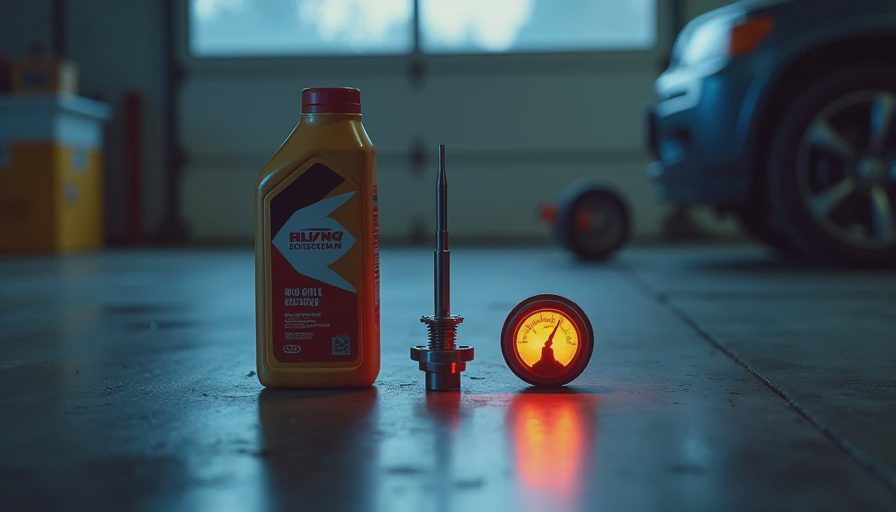
If you check oil hot or cold and see it is below the lower mark, don't panic. Adding the right amount of oil is simple if you follow these steps. First, determine how much oil your engine needs. Most cars take between four and six quarts, but the difference between the lower and upper dipstick marks is usually about one quart. Check your owner's manual for the exact capacity. Next, buy the correct viscosity oil recommended for your car (for example, 5W-30 or 10W-40). Remove the oil filler cap, pour in half a quart, and wait a minute for the oil to settle. Then recheck the dipstick. Add more in small increments until the level reaches the upper mark. Never overfill—too much oil can be as harmful as too little. Overfilling can cause the crankshaft to foam the oil, leading to reduced lubrication and potential engine damage. If you find yourself adding oil frequently, you may have a leak or the engine is burning oil. In that case, take your car to a mechanic for a diagnosis. Checking your oil regularly, using the correct method, will help you catch problems early and avoid costly repairs.
Final Thoughts
So, should you check oil hot or cold? Neither extreme is best. The correct answer is warm and rested. By following the procedure I outlined, you will get accurate readings every time. This simple habit helps you catch low oil early, avoid overfilling, and keep your engine running smoothly for years. If you remember one concept from this post, make it this one: check oil when the engine is warm and has been off for a few minutes. That is the sweet spot for a true reading.


No letters yet — be the first to write.