
Let's start with the basics and build from there. A coolant flush—sometimes called a radiator flush—is one of those maintenance tasks that many car owners overlook until something goes wrong. But if you're asking about **coolant flush cost**, you're already ahead of the curve. Understanding what you'll pay, and why, can save you money and prevent engine damage. In this post, I'll break down typical prices, the factors that influence them, and whether you should tackle this job yourself or hire a pro.
Average Coolant Flush Cost: Professional vs. DIY
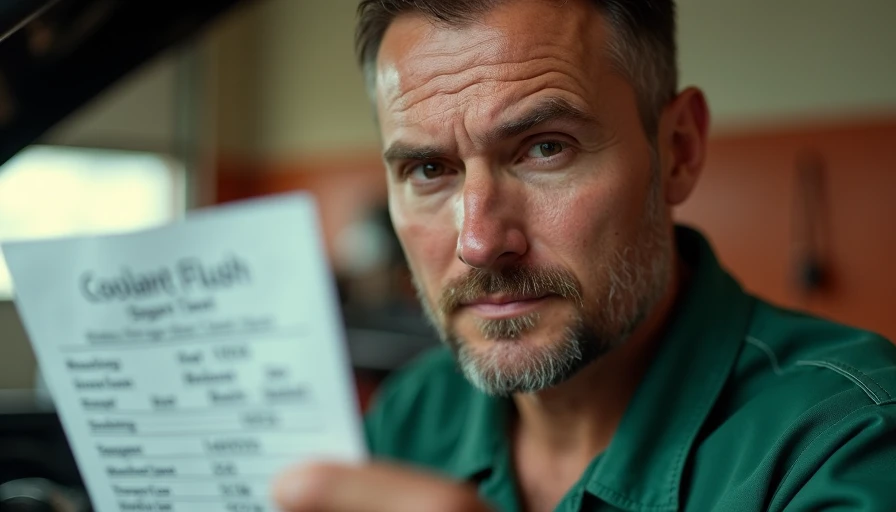
The first thing to know: a professional coolant flush typically runs between $100 and $200 for most passenger vehicles. That includes labor (about 0.5–1 hour) and the cost of new coolant. For luxury or European cars, expect $250–$400 because they often require specialized coolants and procedures.
If you do it yourself, the **coolant flush cost** drops significantly. You'll need:
- Coolant (concentrate or pre-mix): $10–$25 per gallon, usually 1–2 gallons
- Distilled water: $1–$2 per gallon
- A drain pan and basic tools: $10–$20 if you don't have them
- Optional: coolant flush chemical (like Prestone Radiator Flush) for $5–$10
So a DIY flush costs roughly $20–$60 total. That's a substantial savings—but it requires some time, tools, and a willingness to work with hot fluids and dispose of old coolant properly.
What Factors Affect the Coolant Flush Cost?
Several variables can push the price up or down. Let's go through them systematically.
**Vehicle Make and Model**
- Economy cars (Honda Civic, Toyota Corolla): $100–$130 at a shop
- Trucks and SUVs (Ford F-150, Chevy Suburban): $130–$180, larger system
- Luxury/European (BMW, Mercedes, Audi): $200–$400, often require OEM-spec pink or blue coolant
**Type of Coolant**
Different colors and chemistries matter. IAT (green) is cheap, OAT (orange/pink) costs more, and HOAT (yellow/turquoise) is in the middle. Some newer vehicles use a coolant that can cost $30–$40 per gallon. Your owner's manual should specify the correct type.
**Labor Rates**
Independent shops charge $75–$120 per hour; dealerships can be $150–$200. A flush might be 0.5–1.5 hours depending on how rusted or accessible the system is.
**Additional Services**
Sometimes a flush reveals a need for a new thermostat (another $30–$60 part) or a radiator cap. If the coolant is badly contaminated, a mechanic might recommend a backflush, which adds $20–$50.
Should You DIY or Hire a Pro?
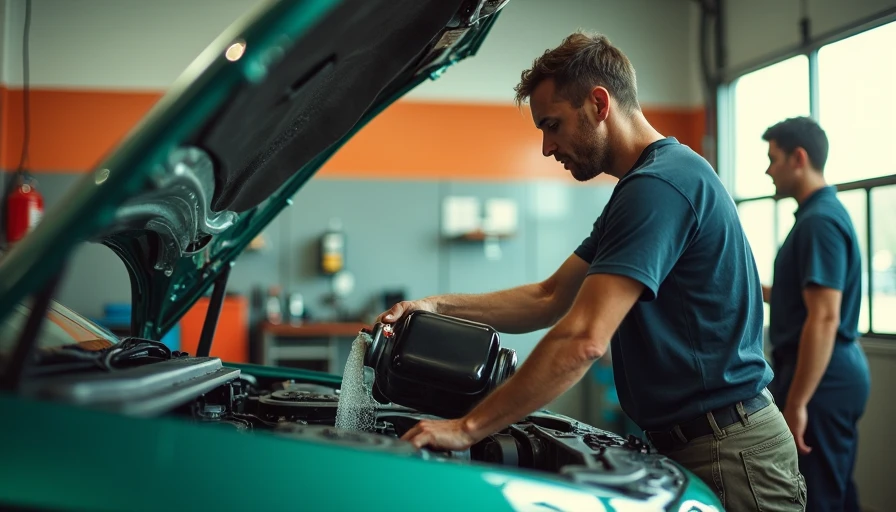
Here's my honest take as an instructor. If you have basic mechanical skills—you've changed your own oil, you know how to use jack stands—a coolant flush is a strong candidate for DIY. The procedure is straightforward: drain, flush (with water or a chemical), refill with the correct coolant mix, and bleed air from the system.
But there are two situations where I'd recommend a professional:
- Your vehicle has a complicated cooling system (some European cars have electric pumps, vacuums, or multiple drain points).
- You don't have a safe place to dispose of old coolant (it's toxic to pets and wildlife; most auto parts stores accept it for free).
If you choose DIY, here's my step-by-step framework:
- Step 1: Read your owner's manual for coolant type and capacity.
- Step 2: On a cold engine, remove the radiator cap and open the drain valve (usually at the bottom of the radiator).
- Step 3: Collect old coolant in a pan, then close the drain.
- Step 4: Fill with water (distilled), run engine with heater on full, then drain again. Repeat until water runs clear.
- Step 5: Add concentrated coolant and distilled water in the correct ratio (usually 50/50) to reach capacity.
- Step 6: Run engine with cap off until thermostat opens and air bleeds out.
- Step 7: Top off and check level over the next few days.
**Quick Quiz:**
- What's the most expensive part of a professional coolant flush—coolant or labor?
*Answer: Labor, typically 60–70% of the total.*
- True or false: You can use regular tap water instead of distilled water.
*Answer: False. Tap water contains minerals that can corrode your cooling system over time.*
- Which vehicle category has the highest average **coolant flush cost**?
*Answer: Luxury/European cars, due to specialized coolant and labor.*
Common Questions About Coolant Flush Cost
**Q: How often should I get a coolant flush?**
A: Every 30,000 to 50,000 miles or 3 to 5 years, per owner's manual.
**Q: Is a coolant flush the same as a radiator flush?**
A: Often used interchangeably, but a coolant flush involves the whole system.
**Q: Can a coolant flush fix overheating?**
A: Only if the cause is old coolant; otherwise, it might be a thermostat or pump issue.
**Q: What's the cheapest way?**
A: DIY at $20–$60. Shop coupons can also help.
Conclusion: Budget Smart, Don't Skip It
A coolant flush is a relatively low-cost maintenance item compared to the repair of a cracked head or blown head gasket from neglected coolant. If you remember one concept from this post, make it this one: the **coolant flush cost** (whether $100 at a shop or $30 DIY) is a fraction of what you'd pay for an engine replacement. Check your owner's manual for the recommended interval—typically every 30,000–50,000 miles or 3–5 years—and stick to it. Your cooling system will thank you, and your wallet will too.
Now that you understand the numbers and the process, you can make an informed decision. If you're unsure, ask a trusted shop for a quote, or come back to this guide for the DIY steps. Keep that engine running cool.


No letters yet — be the first to write.