A fuel system cleaner is a small bottle with a surprisingly specific job: it helps dissolve certain deposits inside the parts that deliver gasoline to your engine. Used correctly, it can support smoother operation and restore performance affected by light buildup. Used as a substitute for diagnosis, it can waste money and delay a needed repair. Let's start with the basics and build from there.
What a fuel system cleaner actually cleans
Your fuel system moves gasoline from the tank through the fuel pump, fuel lines, fuel filter, and injectors. An injector is a precision valve that opens for a measured time and sprays fuel into the engine. In some older engines, fuel enters through a throttle body or intake manifold instead.
A fuel system cleaner contains solvents and detergents designed to interact with deposits formed by fuel evaporation, heat, and combustion byproducts. The product travels with the gasoline, so it primarily works on fuel-wetted components. Depending on the formula and engine design, that can include injector nozzles and portions of the fuel rail. It does not magically scrub every part of the engine.
The most common goal is improved injector spray. A clean injector produces a more controlled pattern, helping the engine mix fuel and air consistently. A partially restricted injector can create uneven combustion, which a driver might notice as hesitation, rough idle, or reduced response when accelerating. Those symptoms also have many other causes, including worn spark plugs, a vacuum leak, a failing ignition coil, or a sensor problem.
Quick Quiz: Does a fuel system cleaner repair a broken fuel pump? No. It can address certain deposits, but it cannot repair electrical, mechanical, or pressure failures.
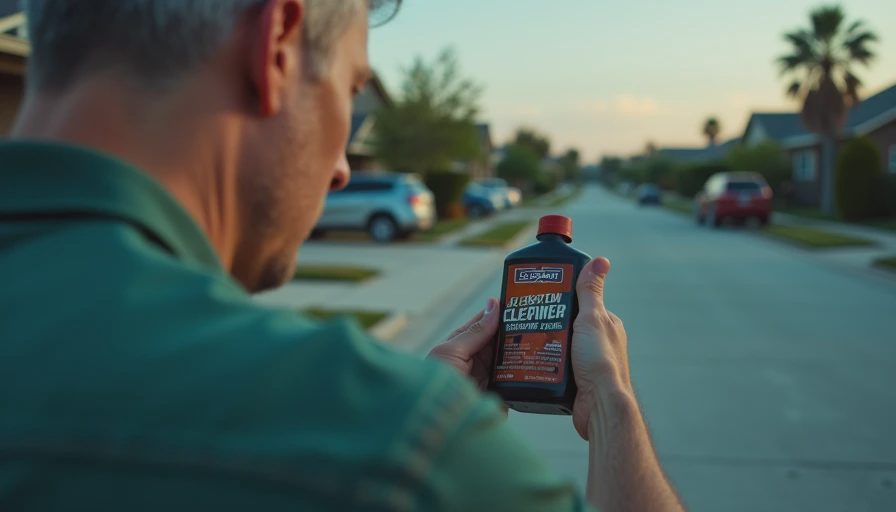
When using one makes sense
A fuel system cleaner is most useful as preventative maintenance or as a low-cost first step when symptoms are mild and no warning light is present. For example, a vehicle that has spent months making short trips, sat unused, or received inconsistent fuel quality might develop light deposits. A treatment can also be reasonable before a long road trip if the vehicle already runs normally and the product matches the owner's manual requirements.
Read the label before buying. Some formulas are intended for gasoline engines, while others are made for diesel fuel. Some products are safe for fuel-injected engines only; others are labeled for carbureted applications as well. Never assume that a product marketed for one fuel type belongs in another. A bottle that costs $8 to $20 is inexpensive compared with an injector replacement, but the wrong chemical can damage components or create a drivability problem.
Follow the dosage exactly. If the label says one bottle treats 15 gallons, adding it to a nearly empty tank produces a stronger concentration than intended. That is not automatically better. I teach students to pour the treatment into the tank before filling with gasoline, because the incoming fuel helps mix the product throughout the tank.
Choosing the right formula
Look for the engine and fuel compatibility statement first, then examine the directions. Products from brands such as Chevron Techron, Gumout, Lucas Oil, and Red Line are commonly sold through auto parts stores, but brand recognition does not replace label reading. A concentrated injector treatment is not necessarily the best choice for routine maintenance, and an octane booster is not the same thing as a fuel system cleaner.
Do not confuse detergent action with octane rating. Octane measures a fuel's resistance to abnormal combustion, often called knock. A cleaner's main purpose is deposit control. If your owner manual calls for regular 87-octane gasoline, using a cleaner does not mean you need premium fuel. Likewise, a product that promises dramatic horsepower gains should be treated cautiously. A clean, healthy fuel system does not normally produce a large power increase from one bottle.
System Diagram reference: picture the route as tank, pump, filter, rail, injector, combustion chamber, and exhaust. The treatment enters at the tank and follows the fuel path. It does not travel backward through the engine's oil passages or coolant passages.
Quick Quiz: Which statement is correct? A cleaner improves fuel delivery only when deposits are part of the problem. It cannot compensate for incorrect ignition timing, low compression, or a damaged catalytic converter.
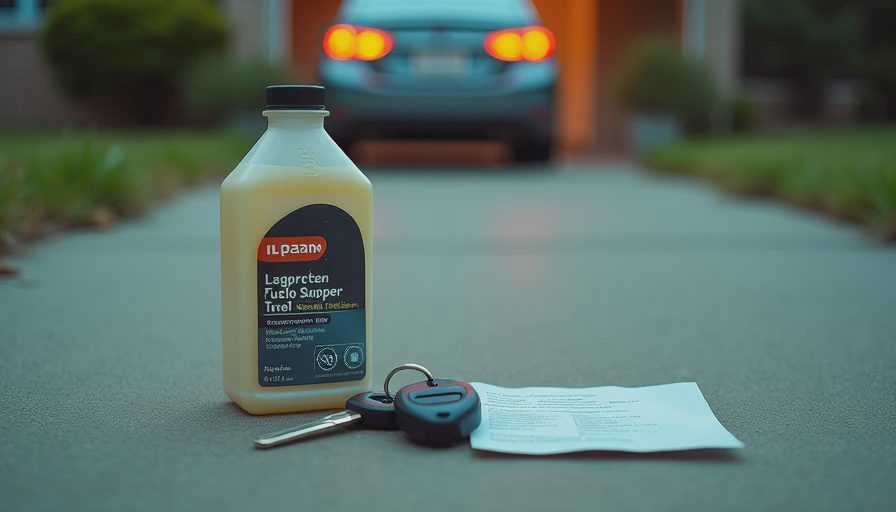
A safe step-by-step procedure
First, confirm that the product matches your engine and fuel. Next, check the fuel level and calculate the dosage from the label. If the bottle is designed for a full tank, add it before filling so the gasoline mixes the treatment evenly. Replace the fuel cap securely, then drive normally. A highway trip is not mandatory; ordinary driving allows the treated fuel to pass through the system.
Avoid pouring multiple products into the same tank unless their instructions specifically allow it. Do not use more frequent treatments than the label recommends. Keep the container away from flames, hot surfaces, children, and pets, and dispose of the empty bottle according to local guidance. Fuel vapors are flammable, so this is not a good project for a closed garage with a space heater running.
After treatment, judge results realistically. If roughness came from light deposits, improvement might appear gradually over the next tank. If the check engine light is flashing, the engine is shaking severely, or the car has lost substantial power, stop treating the bottle as the solution. A flashing light can indicate a misfire severe enough to damage the catalytic converter.
When cleaner is not enough
Persistent symptoms call for testing. A repair shop can measure fuel pressure, scan diagnostic trouble codes, inspect ignition components, and compare injector operation. A clogged fuel filter, weak pump, leaking injector, or vacuum leak requires a different repair. On some modern vehicles, carbon buildup on intake valves is an issue that a tank additive cannot reach, especially in certain direct-injection engines.
Suppose a sedan hesitates only during cold starts and improves after warming up. That pattern could involve an injector, coolant temperature sensor, air leak, or ignition problem. Adding cleaner once is reasonable if maintenance history is unknown, but replacing parts without testing is not. Conversely, if a car runs normally and has appropriate fuel economy, routine use should follow the vehicle manufacturer's maintenance schedule rather than an aggressive additive calendar.
If you remember one concept from this post, make it this one: a fuel system cleaner is a deposit-control tool, not a universal engine repair. It is most valuable when the problem matches what the product can physically reach.
A practical maintenance plan
For a well-maintained gasoline vehicle, start with quality fuel from a busy station and follow the owner's manual. If you choose a fuel system cleaner, use one compatible treatment at the labeled interval, often several thousand miles rather than every fill-up. Record the date, mileage, product, and dosage in your maintenance notes. That simple habit prevents accidental double dosing and helps you judge whether the treatment changed anything.
Before a long trip, check tire pressure, engine oil level, coolant level, battery condition, and warning lights. Those checks protect your wallet more reliably than an additive alone. If the car has a maintenance reminder, a stored code, or a history of stalling, schedule diagnosis before loading the family and luggage.
Quick Quiz: What is the best next step when a cleaner produces no improvement? Stop repeating the treatment and investigate fuel pressure, ignition, air leaks, and diagnostic codes. A measured diagnosis beats a shelf full of bottles.
The right product, correct dose, and realistic expectation make this a useful part of car care. Treat it as one lesson in a larger maintenance system, and you will spend less while understanding more about what your engine is doing.


No letters yet — be the first to write.