
If you own a car, understanding how to flush brake fluid is an essential skill that can save you money and keep you safe. Brake fluid is the lifeblood of your braking system, and over time it absorbs moisture, which lowers its boiling point and can lead to brake failure. Let's start with the basics and build from there.
What Is Brake Fluid and Why Does It Need Flushing?
Brake fluid is a hydraulic fluid that transfers force from your brake pedal to the calipers or drums. It's hygroscopic, meaning it pulls moisture from the air. That water contamination causes the fluid's boiling point to drop dramatically. Under hard braking, the fluid can boil, creating vapor bubbles that compress easily — you get a spongy pedal, or worse, complete brake fade. Standard DOT 3 and DOT 4 fluids absorb about 2–3% moisture per year. Flushing removes old, water-laden fluid and replaces it with fresh fluid, restoring your braking system's reliability. Most manufacturers recommend a flush every 2 years or 30,000 miles, but check your owner's manual.
Tools and Supplies You'll Need
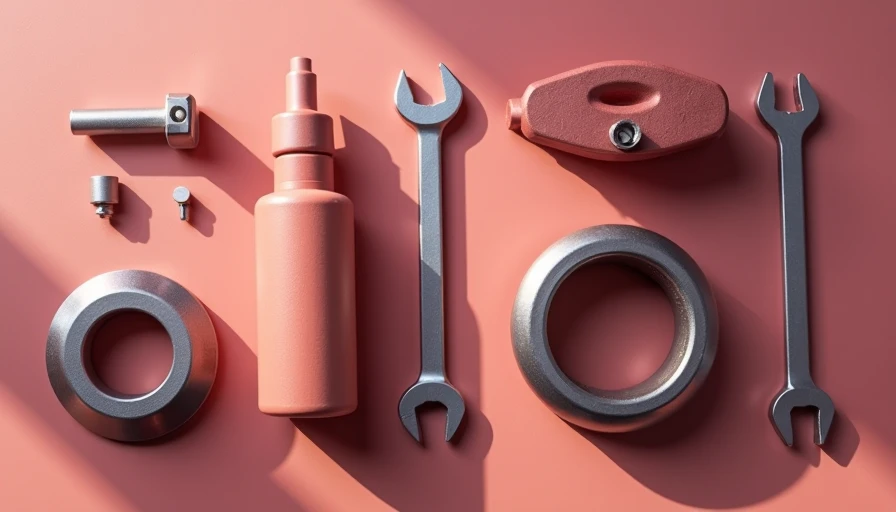
To perform a proper flush, gather:
- Fresh brake fluid of the correct DOT rating (DOT 3, 4, or 5.1 — never mix with DOT 5 silicone-based fluid)
- A box-end wrench sized to your bleeder valves (typically 8mm, 10mm, or 11mm)
- Clear vinyl tubing that fits snugly over the bleeder
- A catch bottle (old water bottle works)
- A jack and jack stands if you need to lift the car
- A helper to pump the brake pedal, or a pressure bleeder (if working solo)
- Safety glasses and nitrile gloves
Step-by-Step How to Flush Brake Fluid
Step 1: Safety First
Park on a level surface and chock the wheels. If you're jacking up the car, use stands — never rely on a jack alone. Wear gloves; brake fluid is corrosive and strips paint.
Step 2: Locate Bleeder Valves
Each brake caliper (or drum) has a bleeder valve — a small brass or steel nipple with a rubber cap. Remove the caps and clean the area around them to prevent dirt from entering the system.
Step 3: Proper Bleeding Sequence
Always start at the wheel farthest from the master cylinder. For most left-hand drive cars, that's the right rear, then left rear, right front, left front. This pushes air toward the master cylinder and prevents trapped bubbles.
Step 4: Open the System
Attach one end of the clear tubing to the bleeder and place the other end in your catch bottle. Have your helper slowly pump the brake pedal 3–4 times and then hold it down. While they hold pressure, open the bleeder about a quarter turn. Old fluid and any air will flow through the tube. Close the bleeder *before* your helper releases the pedal. Repeat until the fluid runs clear (no dark discoloration, no bubbles). Top off the reservoir after each wheel — never let it run dry.
Step 5: Check Fluid Level and Pedal Feel
After all four wheels are done, fill the reservoir to the MAX line. Pump the pedal a few times with the engine running. It should feel firm, not spongy. If it's still soft, you may have air in the system — repeat the process.

Common Mistakes to Avoid
Even experienced DIYers slip up. Here are the pitfalls:
- **Using the wrong fluid:** DOT 5 (silicone) is purple and should never mix with glycol-based DOT 3/4/5.1 — seals can swell or fail.
- **Letting the reservoir go dry:** That introduces air into the master cylinder, and you'll spend extra time bleeding it.
- **Bleeding in the wrong order:** Random order can trap air pockets. Always farthest-to-closest.
- **Reusing old fluid:** Once it's been through the system and absorbed moisture, it's compromised. Dispose of it properly.
- **Skipping the pedal pump check:** A firm pedal is your final quality check. If it's soft, you missed something.
When to Flush Brake Fluid
Time-based intervals are the standard — every 2 years or 30,000 miles. But if you notice a spongy pedal, your brake warning light is on, or a fluid test strip shows high moisture content, don't wait. Heavy tow vehicles and track cars may need yearly flushes. Write the date on the reservoir cap with a marker so you remember.
Quick Quiz: Test Your Knowledge
- **What is the correct bleeding sequence for a typical left-hand drive car?**
*Answer: Right rear → Left rear → Right front → Left front (farthest from master cylinder first).*
- **What does it mean if the brake fluid is dark brown?**
*Answer: It's old and has absorbed significant moisture — time for a flush.*
- **Can I use DOT 5 fluid in a system that specifies DOT 4?**
*Answer: No. DOT 5 is silicone-based and won't mix with glycol fluids. Use only what your manufacturer recommends.*
If you remember one concept from this post, make it this one: **brake fluid is hygroscopic, so regular replacement is critical for safety.** Now you know how to flush brake fluid thoroughly. Grab your tools, consult your vehicle's service manual for exact specifications, and keep your stopping power reliable.
*Safe driving — and see you in the next lesson.*
No letters yet — be the first to write.