If you buy the wrong oil, the cost does not always show up right away. It can show up later as higher oil consumption, a dirty turbo, or an expensive emissions repair. That is why **low SAPS engine oil for petrol engines** matters. Let's start with the basics and build from there. SAPS stands for sulfated ash, phosphorus, and sulfur. These are chemical byproducts or additive elements in engine oil that affect wear protection, cleanliness, and emissions hardware life. For many drivers, the goal is simple: protect the engine without shortening the life of the catalytic converter or gasoline particulate filter.
What low SAPS actually means
Low SAPS does not mean low quality. It means the oil formula limits certain additive-related materials that can leave ash after combustion or can poison emissions components over time. Sulfated ash is the residue left after oil burns. Phosphorus is commonly tied to anti-wear additives such as ZDDP, which stands for zinc dialkyldithiophosphate. Sulfur can come from base oils or additives. In a petrol engine, especially a modern direct-injection turbo engine, controlling these elements can help protect aftertreatment parts.
Here is the classroom version: older engines often tolerated oils with higher ash and phosphorus because emissions systems were simpler. Newer vehicles often need tighter chemistry control. If your owner’s manual asks for an ACEA C-category oil, a dexos specification, or a manufacturer approval from brands like BMW, Mercedes-Benz, Porsche, or Volkswagen, that is your signal to read the bottle carefully, not just the viscosity grade.
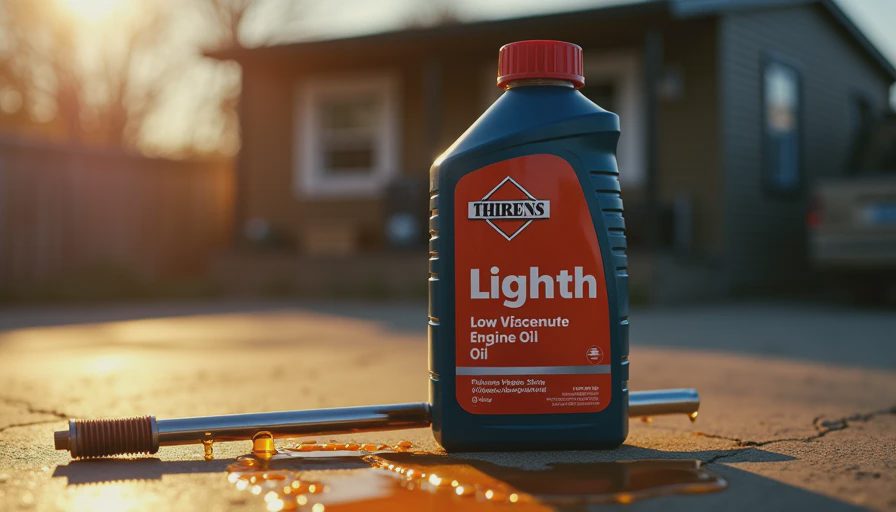
System Diagram reference: think of the path as oil pan to oil pump to bearings and pistons, then small amounts of oil reaching the combustion chamber, then exhaust flowing through the catalytic converter or particulate filter.
Why petrol engines use it now
A lot of drivers hear “low SAPS” and assume it is only for diesel engines with diesel particulate filters. That used to be a common shortcut, but it is outdated. Many petrol engines now use gasoline particulate filters, and nearly all modern gasoline vehicles rely heavily on catalytic converters staying clean and active. When an engine consumes a little oil, and most engines consume at least a trace over time, the additive chemistry can leave deposits in the exhaust stream.
That matters even more in turbocharged direct-injection engines. Turbochargers run hot, direct injection can contribute to soot, and long oil drain intervals put more stress on the lubricant. A properly specified low SAPS oil can balance piston cleanliness, oxidation resistance, and emissions compatibility. Oxidation resistance means the oil resists thickening and breakdown when exposed to heat and oxygen.
In practical terms, if you drive a late-model European car, a turbo compact, or a newer SUV with strict factory approvals, low SAPS may not be optional. It is often the correct engineering match. You will see these oils on shelves from Mobil 1, Castrol EDGE, Pennzoil Platinum Euro, Valvoline, Liqui Moly, and TotalEnergies, usually in the $28 to $55 range for a 5-quart jug depending on approval level.
How to know if your car needs it
The best source is still the owner’s manual. Ignore internet guessing if the manual gives a specific approval. Viscosity, like 0W-20 or 5W-30, is only one part of the decision. Specification is the other part. For example, two different 5W-30 oils can behave very differently if one meets ACEA A3/B4 and the other meets ACEA C3. That C3 oil is a mid SAPS formula commonly used where emissions-system compatibility matters.
Look for exact wording on the bottle: ACEA C2, C3, C5, dexos1 Gen 3, BMW Longlife, MB 229.51, VW 504 00/507 00, or another factory approval. “Meets requirements” is weaker than “approved,” especially for European cars. If the manual says API SP and ILSAC GF-6 only, a standard full-synthetic oil may be fine. If it names a low or mid SAPS approval, follow that.
A good shop or parts counter can help, but bring the year, engine size, and whether the car is turbocharged. That gets you a better answer faster.

Benefits, tradeoffs, and common mistakes
The main benefit of **low SAPS engine oil for petrol engines** is emissions-system protection over the long run. It can also help control deposits in engines designed around that chemistry. Another benefit is compatibility with many modern OEM service schedules. OEM means original equipment manufacturer, or the company that built the vehicle.
The tradeoff is that not every low SAPS oil is ideal for every older engine. Some older high-performance engines were originally designed around higher phosphorus anti-wear packages. That does not mean low SAPS is bad; it means the right spec matters more than buzzwords. Also, do not assume “Euro formula” automatically means better for your car. Better means approved for your engine.
Common mistakes I see in weekend workshops are simple. Drivers shop by viscosity alone. They mix leftover oils with different approvals. They extend oil changes too far because the oil was expensive. And they assume synthetic equals universal. Skip the obvious thing and do this instead: match viscosity, match approval, and use a quality filter. Spending an extra $10 to $20 on the correct oil is cheap compared with a catalytic converter replacement that can run well over $1,000.
If you remember one concept from this post, make it this one: the correct oil is not just slippery liquid. It is part of the emissions system strategy.
Buying tips and a simple decision process
When shopping, start with the manual, then confirm the approval printed on the container, then compare price. If your car needs **low SAPS engine oil for petrol engines**, buy that exact type from a reputable retailer. Big-box stores, auto parts chains, warehouse clubs, dealer parts counters, and trusted online sellers are all workable options. Watch for five-quart jug deals, manufacturer rebates, and oil-plus-filter bundles. Those can cut a change from about $75 to $45 if you do it yourself.
My simple decision process for students is this: first, identify the required viscosity. Second, identify the required spec or approval. Third, choose full synthetic unless the manual says otherwise. Fourth, stay on interval. Fifth, check the oil level monthly, especially on turbo engines.
Quick Quiz:
- What does SAPS stand for?
- Why can low SAPS matter in a modern petrol engine?
- Which matters more, viscosity alone or viscosity plus approval?
- What document should you trust first when choosing oil?
Answer key: sulfated ash, phosphorus, and sulfur; emissions-system protection and deposit control; viscosity plus approval; the owner’s manual.



No letters yet — be the first to write.