
If you own a car, knowing how to check engine oil is one of the most basic and important skills you can learn. Engine oil lubricates moving parts, reduces friction, and helps keep your engine cool. Running low on oil or using dirty oil can lead to costly repairs. As an automotive instructor, I teach every student this procedure on day one. Let's start with the basics and build from there.
Why Checking Engine Oil Matters
Your engine's oil level and condition tell you a lot about its health. Low oil can cause metal-on-metal contact, leading to engine seizure. Dirty oil loses its ability to lubricate and protect. By checking regularly, you catch problems early. Most manufacturers recommend checking once a month or before long trips. It takes less than five minutes and can save you thousands in repairs.
What You’ll Need
You don’t need special tools. A clean rag or paper towel and your owner’s manual (or a quick online search) are enough. The manual tells you the correct oil type and how to read the dipstick on your specific vehicle. Some cars have electronic oil monitors, but a physical dipstick check is still the most reliable method.
How to Check Engine Oil: Step by Step
Follow these steps carefully. Doing it wrong can give you a false reading.
- Park on level ground. An incline will tilt the oil in the pan and give an inaccurate reading. If possible, check after the engine has been off for at least 5-10 minutes so the oil has settled.
- Open the hood and locate the dipstick. It usually has a brightly colored handle (yellow, orange, or red) and is marked with an oil can symbol.
- Pull the dipstick out and wipe it clean with your rag. You want a clean baseline.
- Reinsert the dipstick fully, then pull it out again. This time, look at the oil level on the end. There are usually two marks: a low mark and a full mark. The oil should be between them.
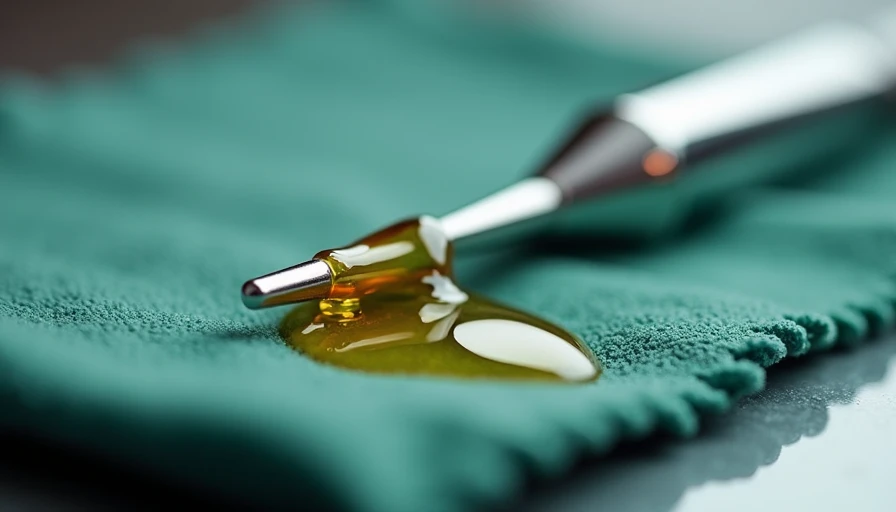
- Check the oil condition. Fresh oil is amber and translucent. If it looks dark, gritty, or smells burnt, it’s time for an oil change.
- If the level is low, add the recommended oil type in small increments, rechecking after each addition. Do not overfill; too much oil can cause foaming and damage.
When to Check Engine Oil
The best time is when the engine is cold or has been off for a while. Some manufacturers specify checking when the engine is warm and turned off for a few minutes. Always consult your owner’s manual. Avoid checking immediately after driving, as the oil is hot and circulating, and you may get a low reading. Also, never check while the engine is running—oil can splatter and cause burns.

Common Mistakes to Avoid
- Checking on an incline: even a slight slope skews the reading.
- Wiping the dipstick with a dirty rag: that contaminates the sample.
- Overfilling: can damage seals and cause leaks.
- Ignoring the condition: if the oil looks like chocolate milk, it may indicate coolant contamination—seek professional help.
What Your Engine Oil Tells You
The dipstick reveals more than just level—it gives clues about engine health. Knowing how to check engine oil correctly includes interpreting these signs.
Color and clarity: Fresh oil is light amber and translucent. As it ages, it darkens to brown or black. That's normal. But if it looks like chocolate milk, there's likely coolant in the oil—a sign of a head gasket leak. Stop driving and get it checked. Also check for metallic glitter. If you see tiny shiny particles, internal components are wearing. This usually means a mechanic should look at bearings or rings.
Consistency: Rub a small amount of oil between your fingers. It should feel smooth and slippery. Gritty or thick oil indicates contamination or age. If it's watery, fuel might be leaking into the oil pan, which dilutes lubrication.
Smell: Take a sniff. A burned odor means the oil has been overheated. This can happen from excessive idling or a failing cooling system. If it smells like fuel, the engine might be running rich.
Additives and deposits: Some oil additives can leave varnish or sludge. If you see dark brown crusty deposits on the dipstick, the engine may have sludge buildup. Consider a higher-quality oil or more frequent changes.
By paying attention to these details, you can catch problems early. For example, a driver I once taught noticed milky oil during a routine check. That simple observation prevented a blown head gasket. That's the value of knowing how to check engine oil thoroughly.
Quick Quiz
Test your knowledge: After pulling the dipstick, what’s the first thing you should do? (Answer: Wipe it clean.) Where should the oil level be? (Answer: Between the low and full marks.) When should you add oil? (Answer: Only when the level is at or below the low mark.)
If you remember one concept from this post, make it this one: regular oil checks are the cheapest insurance for your engine. Now that you know how to check engine oil, you can keep your engine running smoothly for years. System Diagram reference: see the lubrication system diagram in your owner’s manual—it shows exactly how oil flows through your engine.


No letters yet — be the first to write.