If you buy the wrong oil, the cost does not always show up right away. It can show up later as a clogged diesel particulate filter, a stressed catalytic converter, or an engine that is technically lubricated but not protected the way the manufacturer intended. That is why the **low saps engine oil specification** matters. Let's start with the basics and build from there. In simple terms, this specification tells you that an oil is formulated with reduced levels of sulfated ash, phosphorus, and sulfur so it can protect the engine while also being friendlier to modern emissions hardware.
What low SAPS actually means
SAPS stands for **sulfated ash, phosphorus, and sulfur**. These are not random lab words. They are parts of the additive package blended into engine oil. Additives are the chemicals that help oil do more than just feel slippery. They fight wear, control deposits, resist oxidation, and keep contaminants suspended until the oil filter can catch them.
Here is the tradeoff: some traditional anti-wear and detergent additives can leave ash after combustion or can shorten the life of emissions components over time. A **low saps engine oil specification** limits those ingredients to help protect systems such as the diesel particulate filter, often called a DPF, and gasoline catalytic converters. A DPF traps soot in diesel exhaust. A catalytic converter helps reduce harmful exhaust gases in gasoline vehicles.
If you remember one concept from this post, make it this one: low SAPS oil is not “better oil” for every engine. It is the **correct type of oil** for engines designed around it.
Why automakers and emissions systems care
Modern engines are built as complete systems. The pistons, turbocharger, fuel system, emissions equipment, and engine oil all depend on one another. When a small amount of oil enters the combustion process, the leftover ash can accumulate in emissions components. Ash does not burn away like soot. Over time, that buildup can reduce efficiency and increase maintenance costs.
That is why many European vehicles and many diesel engines specify low SAPS formulations. Brands such as Mercedes-Benz, BMW, Volkswagen, and some GM diesel applications often require oil that meets a precise approval, not just a viscosity like 5W-30. Viscosity describes how thick the oil is at cold and hot temperatures. Specification describes the broader performance standard.

In class, I tell students to think of it this way: the oil has to protect metal surfaces and also “play nicely” with the exhaust aftertreatment system. Use the wrong oil long enough, and you can end up with expensive parts wearing out sooner than they should. A replacement DPF or catalyst can cost far more than the price difference between ordinary oil and the correct approved product.
System Diagram reference: picture the path from oil pan to bearings, then from combustion chamber to exhaust filter. The wrong chemistry affects both paths.
How to read the specification on the bottle
This is where many owners get tripped up. They see full synthetic on the front label and assume any premium oil will work. Not necessarily. The most important text is usually the approval line on the back. Look for standards such as **ACEA C1, C2, C3, C4, or C5**. ACEA is the European Automobile Manufacturers' Association, and its C categories commonly point to low or mid SAPS oils designed for emissions-equipped vehicles.
You may also see manufacturer approvals like **VW 507.00**, **MB 229.51**, **MB 229.52**, or **BMW Longlife-04**. Those approvals matter because they combine viscosity, wear protection, deposit control, and emissions compatibility into one requirement. If your owner's manual calls for one of those, match it exactly.
A **low saps engine oil specification** is not identified by viscosity alone. Two bottles can both say 5W-30 and still be very different oils. One may be suitable for a DPF-equipped diesel, while another may not. That is why I recommend checking the manual first, then checking the bottle second, in that order.
What happens if you use the wrong oil
Using the wrong oil once for a short emergency top-off usually does not mean instant damage. But using the wrong specification for a full oil interval is a different story. Over time, higher ash content can contribute to DPF loading. Higher phosphorus can also affect catalyst durability. On the engine side, using an oil that lacks the required approval can mean weaker deposit control, less turbocharger protection, or poor compatibility with long drain intervals.
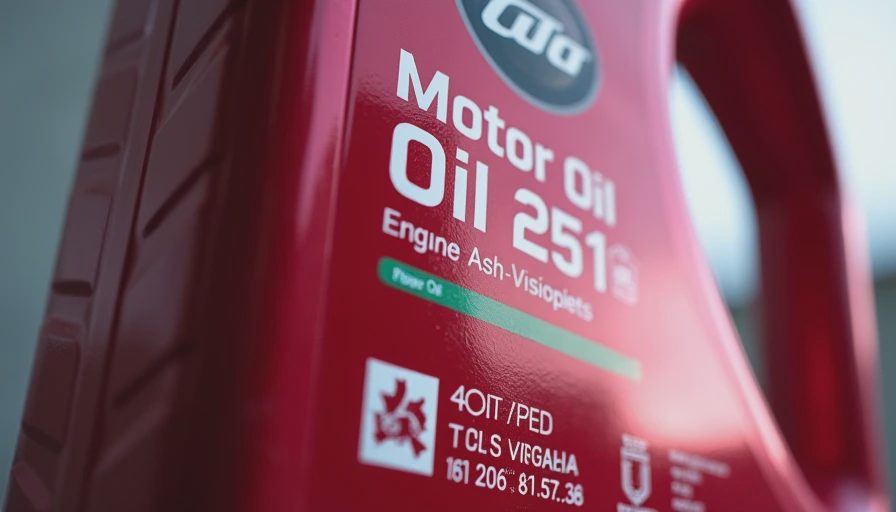
Here is the practical part: a five-quart jug that saves you $10 to $25 at the store can lead to repair bills in the hundreds or thousands if it causes emissions-system issues or voids a warranty argument. That is not scare talk. It is basic cost control.
For shoppers comparing brands, major names like Mobil 1, Castrol, Valvoline, Pennzoil, Shell Rotella, and Liqui Moly all offer products in certain low SAPS categories. The key is not the brand name by itself. The key is whether that exact product carries the required approval. Skip the obvious shortcut of buying by viscosity only. Do this instead: verify the approval code every time.
How to choose the right oil without overthinking it
Here is the simple process I teach. First, open the owner's manual and find the oil approval, not just the viscosity grade. Second, confirm whether your engine uses a DPF, gasoline particulate filter, or a manufacturer-specific emissions-friendly oil requirement. Third, match the bottle to that approval exactly. Fourth, buy enough for the change and keep one extra quart for top-offs.
If your vehicle is out of warranty and you are considering alternatives, stay within equivalent approvals from reputable brands. Do not guess based on online forum comments alone. If the manual says an ACEA C3 oil with a certain manufacturer approval, that is your target.
A **low saps engine oil specification** is really a compatibility rule. It helps the oil protect the engine while limiting the chemical leftovers that can burden emissions equipment. For many drivers, that means longer component life, fewer surprises, and a smarter maintenance plan.
Quick Quiz:
- What does SAPS stand for?
- Why is viscosity alone not enough to choose oil?
- Which matters more, the front-label marketing or the back-label approval?
- If you remember one concept from this post, make it this one: always match the manufacturer-required oil specification first.



No letters yet — be the first to write.