Stop Hydraulic System Failures Before They Start by Controlling Fluid Contamination
Let's start with the basics and build from there. If you own equipment with hydraulic systems, understanding fluid cleanliness isn't just theory—it's about protecting your wallet. At least 75 percent of all hydraulic systems fail due to contaminated or aging hydraulic fluid. That is a massive failure rate driven by something we can actually control. Today, we are going to break down the curriculum on contamination so you can prevent expensive rebuilds.
Why This Matters
Think of your hydraulic system like a circulatory system. When the blood is dirty, the organs fail. In hydraulics, contamination causes aging and degradation of fluids and systems failure for numerous reasons. It increases internal leakage, which lowers the efficiency of pumps, motors, and cylinders. Furthermore, it decreases the ability of valves to control flow and pressure, thus wasting horsepower and generating excess heat.
In severe cases, contamination causes parts to stick due to sludge or silting, or seize when large amounts of contaminants accumulate in the clearances. For military systems and heavy machinery, this ubiquity is a double-edged sword; the systems' continuous use makes them a common maintenance item, but the diverse operational environments present many openings for contamination.
What You Need to Know
Before we touch a wrench, we need to define our terms. Contaminants can be either solid particles or liquids, but water is the most common. Solid particles contaminate by chemically reacting with the fluid, or fouling the system through accumulation.
Size matters here. A new hydraulic fluid can contain 500,000 particles per 100 ml that are 5 µm (micrometers) or larger, which exceeds the level recommended by most manufacturers for normal operation. Unfortunately, 0.5 µm particles can be harmful to most systems. To visualize this, System Diagram reference: imagine a filter mesh where even microscopic specks bypass the screen and grind against metal surfaces.
Standards vary, which compounds the problem. For example, MIL-H-5606F requires that in 100 ml of fluid there be no more than 10,000 particles ranging between five to 15 µm, no more than 1,000 particles between 16 to 25 µm, and no more than five particles over 100 µm.
Quick Quiz: What is the most common liquid contaminant in hydraulic systems? (Answer: Water)
How It Works
Contamination doesn't just appear; it enters through specific pathways. Sources of contamination can include the manufacturing process, hydraulic fluids, environmental exposure, system wear, and servicing.
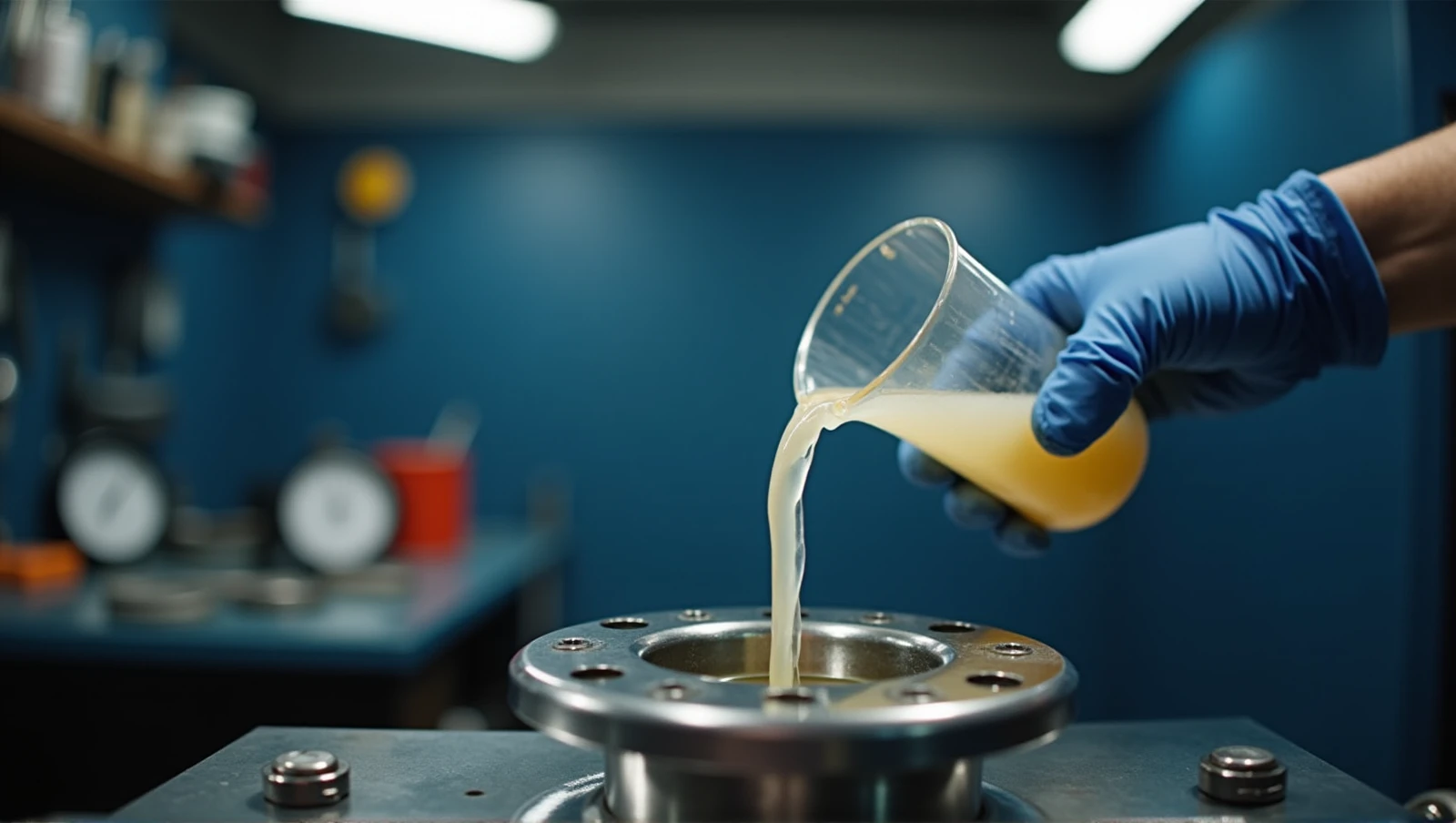
Water ingress may be caused by design flaws, service environment, maintenance activities, internal generation, and various methods of fluid servicing. The behavior of water as a contaminant varies from system to system. Water can form an emulsion with the fluid, or it may be partially immiscible, floating on the surface or settling to the bottom of the fluid depending on the relative density. The presence of water ultimately results in corrosion of the system components and resultant contamination of the fluid by corrosion products.
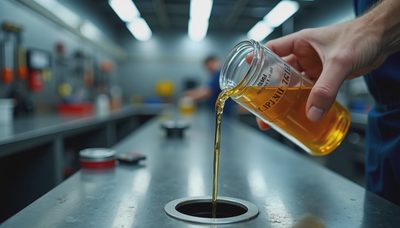
Pro Tip: Always inspect fluid transfer methods. Improper storage of open fluid containers and inadequate transfer of fluid to the system may cause serious contamination problems.
Common Mistakes
Many DIYers and technicians overlook the invisible entry points. Contaminants also enter hydraulic systems through the reservoir breather (when used) and contaminated replacement components. Environmental contamination enters the system through ingestion.
A common myth is that new fluid is clean fluid. As noted earlier, new fluid can hold hundreds of thousands of particles per 100 ml. Another mistake is ignoring the breather. You can prevent environmental ingestion through the use of sealed reservoirs, vacuum breakers (relief valves) and/or high-efficiency breather filters.
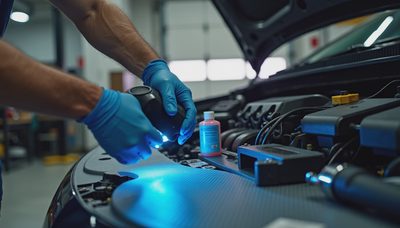
Don't assume your system is sealed perfectly. Design flaws and service environments create openings. If you are servicing a system, ensure your workspace is clean to avoid introducing external debris during the process.
Bottom Line
Hydraulic failure is mostly preventable. By understanding that 75 percent of failures stem from contamination, you can prioritize fluid cleanliness. Adhere to strict particle counts like the MIL-H-5606F standard where applicable, and protect your reservoirs from water and environmental ingestion.
Keep your fluid clean, keep your breathers sealed, and your system will run efficiently without wasting horsepower or generating excess heat. Let's keep those systems running longer.