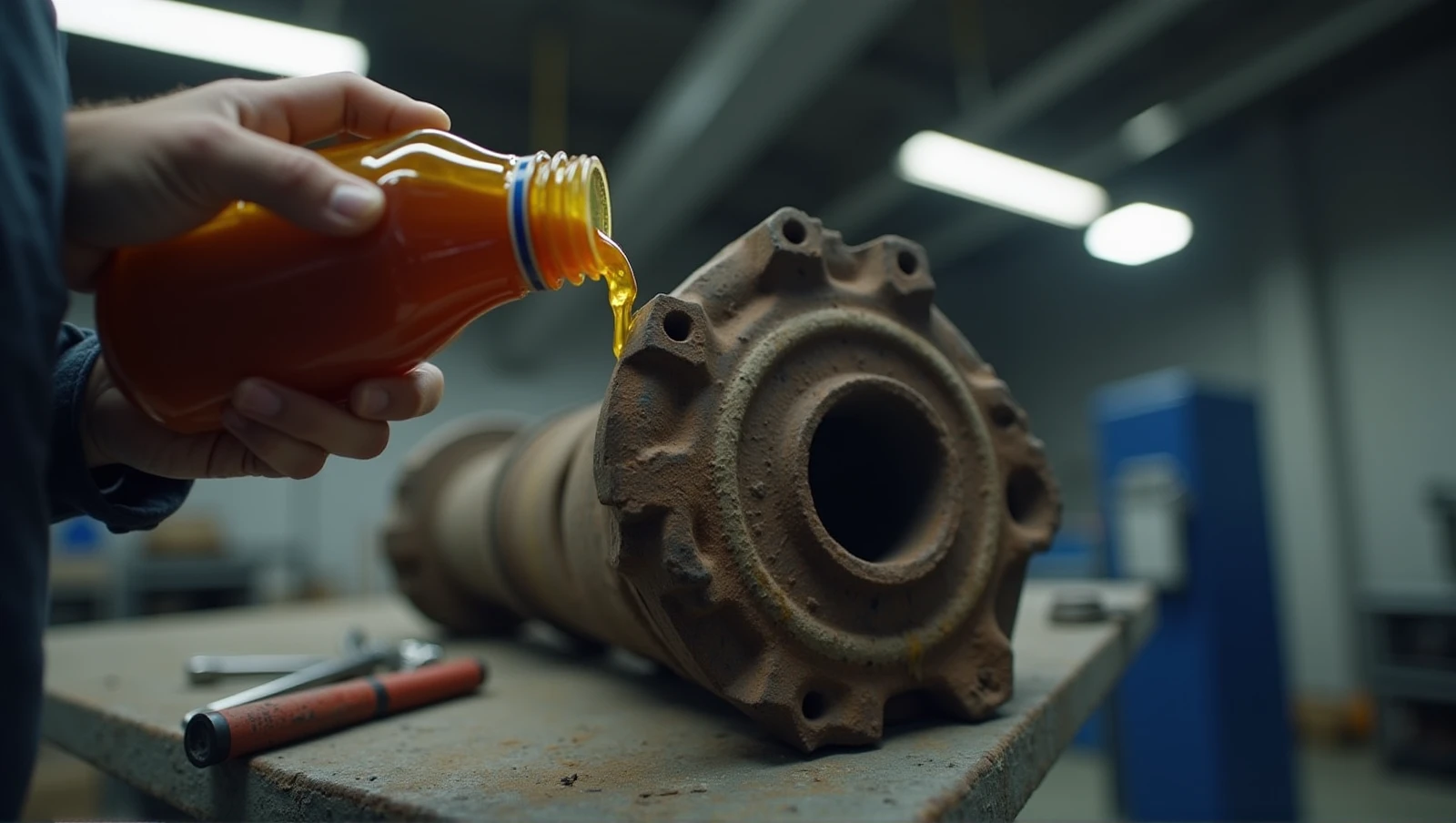
Changing differential fluid every 30k miles prevents costly gear failure and safety issues
Why This Matters
Let's start with the basics and build from there. Your vehicle's differential is critical for safety and control, yet it is often overlooked until failure occurs. The differential compensates for the difference in distance the inner and outer wheels travel as a car goes around corners. Without proper lubrication, the metal-on-metal contact inside this component creates heat from friction. This weakens gears and wears down surfaces, leading to differential failure.
Ignoring this maintenance can cause the differential to overheat and burn itself out. This results in expensive repairs and potential safety issues while driving. Changing the fluid regularly ensures the differential stays working in optimal condition, protecting your wallet and your safety on the road.
What You Need to Know
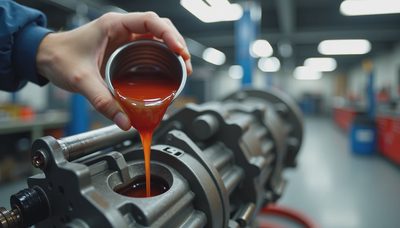
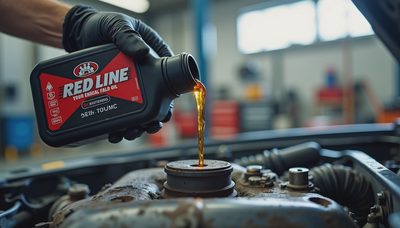
Before we touch a wrench, we need to understand the materials involved. Differential fluid is a type of oil that lubricates the internal components of the differential. It is sometimes referred to as gear oil and is found in the axle housing. It is designed to perform under high-pressure situations, rather than high temperatures like engine oil.
There are two types of differential fluid you will encounter:
1. Mineral Oil: A natural, crude oil-based fluid.
2. Synthetic Differential Fluid: Created in a lab. Like all synthetic oils, these can be fine-tuned for optimal performance and generally offer better protection.
Regarding service intervals, the answer depends on the manufacturer. It is always best to consult your owner's manual for the proper service interval. In most cases, you will need to change differential fluid every 30,000 to 50,000 miles. Staying on top of this schedule is vital because, unlike motor oil, differentials don't have a filter to catch debris.
Pro Tip: Always verify if your vehicle is rear-wheel drive or front-wheel drive. Rear-wheel drive vehicles use a rear differential but no front differential. A front-wheel drive vehicle will use a transaxle, which is part of the transmission. Trucks use the same fluid in both the inter-axle differential and the rear differential.
How It Works
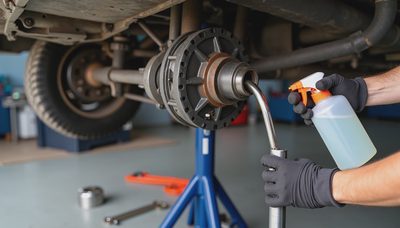
To understand why the fluid matters, visualize the system. [System Diagram: Imagine the driveshaft sending power to the ring and pinion gears inside the axle housing.]
The differential relies on differential fluid to stay working in optimal condition. Specifically, the fluid lubricates the ring and pinion gears that move power to the wheel axles from the driveshaft. It also lubricates clutch packs, gears, and bearings. Finally, it cools and lubricates the differential itself.
Without this fluid, the differential would overheat due to metal-on-metal contact. The fluid looks like engine oil but is thicker. This thickness helps it maintain a protective layer under the high pressure of gear teeth meshing together. When you turn corners without rattling, hopping, or skipping, that is thanks to the differential functioning correctly with adequate fluid levels.
Common Mistakes
One of the most common errors DIYers make is assuming the differential maintains itself indefinitely. It does not. When differential fluid levels are low, the gears will begin to grind. This grinding can cause differential failures.
Another misconception is regarding filtration. Because differentials don't have a filter, when a differential experiences unwanted friction, small metal shavings or pieces may result and remain in the housing. This is why regular fluid changes are even more critical than engine oil changes; you are physically removing contaminates from the system every time you drain the old oil.
Quick Quiz:
1. What is the typical mileage interval for changing differential fluid?
2. Does a differential have an oil filter like an engine?
3. What noise indicates low differential fluid levels?
*(Answers: 1. 30,000 to 50,000 miles. 2. No. 3. Grinding gears.)*
Despite what forums say, you cannot ignore grinding noises. If you hear this, check your fluid levels immediately. Continuing to drive with low fluid accelerates wear on the ring and pinion gear, potentially leading to a complete replacement of the unit.
Bottom Line
Maintenance is about systems thinking. The differential is a high-pressure environment that requires specific lubrication to prevent overheating and potential safety issues. By adhering to the 30,000 to 50,000-mile interval and choosing the correct fluid type (mineral or synthetic), you ensure longevity.
Consult your owner's manual first. If you hear grinding, act immediately. Proper fluid maintenance prevents costly repairs and keeps your vehicle handling corners safely. Let's keep those wheels turning smoothly.