Brake fluid is easy to ignore until the pedal feels soft, braking distances increase, or a warning light appears. Choosing the best brake fluid 2026 is not simply a matter of buying the most expensive bottle on the shelf. The correct choice depends on your vehicle's specified DOT rating, driving conditions, and the fluid's age. Let's start with the basics and build from there.
Brake fluid transfers your foot's force through the hydraulic braking system. Hydraulic means that pressure is transmitted through a liquid inside sealed lines. When you press the pedal, fluid pushes pistons in the calipers or wheel cylinders, which press brake pads or shoes against rotating components. If the fluid contains too much water or air, that pressure transfer becomes less reliable.
What brake fluid actually does
Most modern passenger vehicles use glycol-based brake fluid, including DOT 3, DOT 4, and DOT 5.1. These fluids absorb moisture from the surrounding air over time. That property is called hygroscopic behavior. Moisture lowers the fluid's boiling point, and hard braking can create enough heat to turn contaminated fluid into vapor. Vapor compresses more easily than liquid, producing a soft or spongy pedal.
DOT ratings describe performance requirements, not a simple quality ranking. DOT 4 generally has a higher boiling point than DOT 3, while DOT 5.1 is also glycol-based and designed for demanding applications. DOT 5 is different because it uses silicone chemistry and should not be mixed with glycol fluids. A vehicle's owner manual and master-cylinder cap are the final authority.
A useful System Diagram reference is the path from pedal to master cylinder, brake lines, proportioning hardware, and each wheel. Follow that path mentally: any air, leak, or boiling fluid along the route can reduce the pressure reaching the brakes. This is why the best brake fluid 2026 must match the vehicle, not just the marketing language on the label.

Comparing DOT 3, DOT 4, and DOT 5.1
DOT 3 remains common in older vehicles and many everyday cars. It is usually affordable, widely available, and adequate for normal commuting when replaced at the manufacturer's interval. DOT 4 is often the better choice for vehicles that specify it, especially when driving includes mountain roads, towing, repeated stops, or occasional track use. It typically offers a higher dry and wet boiling point than DOT 3.
DOT 5.1 is intended for systems that require its specification and can be useful in high-temperature applications. It is not automatically safer in every car. A higher rating cannot compensate for worn pads, a leaking hose, seized caliper, or contaminated reservoir. If your manual calls for DOT 3, upgrading without confirming compatibility can create confusion during future service.
When comparing the best brake fluid 2026 products, look for the exact DOT specification, a sealed container, and a clearly printed expiration or production date when available. A fresh, correctly rated bottle from a reputable supplier is more valuable than an old premium bottle that has been opened in a humid garage.
Product choices worth considering
For routine street vehicles, Valvoline and Prestone offer commonly available DOT 3 and DOT 4 products that are practical for a standard flush. Bosch ESI6 DOT 4 is a popular European-style option for vehicles that specify DOT 4, while Motul RBF 600 is aimed at drivers who need strong high-temperature performance for track or competition use. These products are not interchangeable recommendations; the vehicle specification comes first.
ATE Typ 200 and Castrol React Performance are other names frequently encountered in enthusiast and professional service settings. Their appeal is usually higher boiling performance or specialized application support, not a magic improvement in stopping distance. The best brake fluid 2026 for a commuter Honda Civic may be a conventional DOT 3 or DOT 4 product, while a performance car may need a fluid with stronger heat resistance.
Price gives you a rough comparison point. A basic one-quart bottle may cost about $8 to $15, a premium street-performance bottle often costs $15 to $30, and competition fluid can cost more. Do not buy more than you can use promptly after opening; moisture exposure begins once the seal is broken.
How to choose for your driving
Start by reading the owner's manual. Write down the required DOT rating and whether the manufacturer specifies a particular fluid standard. Next, consider your use. Short trips and ordinary traffic place less thermal demand on the system than repeated downhill braking, heavy loads, trailer towing, or autocross events.
Then inspect the service history. Brake fluid that is dark, cloudy, or visibly contaminated deserves attention, but color alone cannot measure moisture content. Many repair shops can test moisture with an electronic meter, although the test should support—not replace—the manufacturer's service schedule. A complete flush usually uses more fluid than a simple reservoir top-off because old fluid must be pushed out of each wheel circuit.
Do not top off with a different chemistry because the label sounds more advanced. DOT 3, DOT 4, and DOT 5.1 glycol fluids are generally compatible in the chemical sense, but mixing can reduce the resulting performance to the lowest-rated fluid. DOT 5 silicone fluid should not be mixed with them. If you are uncertain, pause and confirm the specification before opening the bottle.
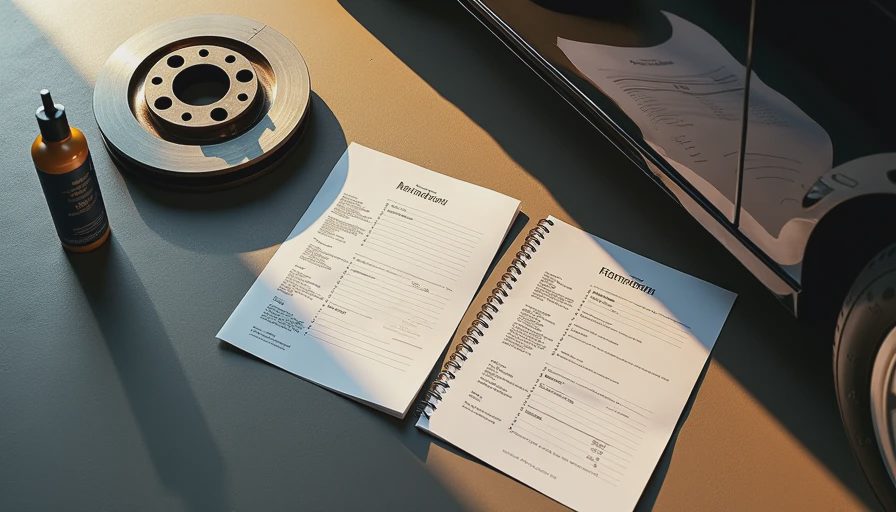
Safe replacement and storage practices
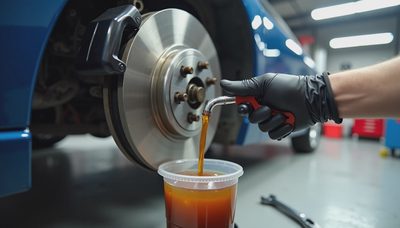
Brake fluid damages many painted surfaces, so protect the fender and wipe spills immediately with plenty of water. Use clean tools, keep the reservoir cap area free of dirt, and never leave the cap off while gathering equipment. During bleeding, maintain the reservoir level so air does not enter the master cylinder. The correct wheel sequence depends on the vehicle, so follow the service manual rather than assuming the farthest wheel always comes first.
A flush is a safety procedure, not a good place to practice improvisation. If the bleeder screw is seized, the pedal remains soft, or the fluid level keeps dropping, stop and diagnose the underlying problem. A leak can involve a hose, caliper, wheel cylinder, master cylinder, or line, and new fluid will not repair it. Dispose of used brake fluid through a local automotive-fluid recycling or hazardous-waste program, not a storm drain.
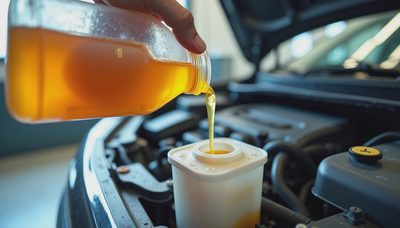
Store an unopened bottle upright in a cool, dry location. Once opened, seal it tightly and use it soon; keeping half a bottle for years defeats the purpose of installing fresh fluid. If the cap was left loose or the fluid looks cloudy, replace it rather than gambling on a small savings.
Final selection checklist
The best brake fluid 2026 purchase should pass four tests. It has the DOT rating listed by the vehicle manufacturer. It comes in a sealed, undamaged container. Its boiling and performance specifications fit your driving rather than merely sounding impressive. Finally, you have enough fresh fluid for the planned service, along with a procedure for bleeding the system correctly.
If you remember one concept from this post, make it this one: brake fluid choice is a compatibility decision before it is a performance decision. A correctly specified, fresh fluid in a properly bled system will serve a daily driver far better than an expensive product used incorrectly. Compare the label with your manual, then choose a reputable product and schedule the service before the pedal gives you a warning.
Quick Quiz: Which fluid should you buy first: the one with the highest advertised boiling point or the one that matches the vehicle's required DOT rating? The correct answer is the matching DOT rating. Boiling-point performance matters after compatibility is confirmed. That simple order of operations is the safest way to find the best brake fluid 2026 for your car.
No letters yet — be the first to write.