A brake bleeder check valve is a small one-way valve that lets brake fluid and air move out of the system, but blocks outside air from being drawn back in when the pedal returns. That matters because brakes work by hydraulic pressure: when you press the pedal, fluid transmits force to the caliper or wheel cylinder; when you release it, the system should stay sealed. If air sneaks back in, the pedal feels spongy and the job takes longer. If you remember one concept from this post, make it this one: a tiny air leak can turn a simple brake bleed into a frustrating repeat job.
Let's start with the basics and build from there. The bleeder screw is the small threaded screw on a caliper or wheel cylinder that you crack open during service. The check valve usually sits in the hose or fitting attached to that screw. In plain terms, it acts like a door that opens one way only. That is why a brake bleeder check valve is useful for solo work, especially if you are learning on your own driveway instead of on a lift with a helper on the pedal.
How a brake bleeder check valve changes the bleeding process
Without a check valve, the usual routine is simple but demanding: open the bleeder screw, press the pedal, close the screw before the pedal rises, then repeat. If the screw stays open while the pedal comes back up, the system can pull air through the threads. With a brake bleeder check valve, the hose is designed to let fluid exit while resisting backflow. That makes the process more forgiving, especially on older cars where the bleeder threads are not perfect anymore.
This is not magic, and it does not replace clean technique. You still need a full master cylinder reservoir, the right brake fluid, and a bleed order that follows the vehicle service manual. On many cars, you start at the wheel farthest from the master cylinder and work toward the closest one, but some ABS-equipped systems have special instructions. DOT 3, DOT 4, and DOT 5.1 fluids are all glycol-based brake fluids; do not mix them with silicone DOT 5. For most DIY owners, the valve is a convenience tool, not a substitute for attention to detail.
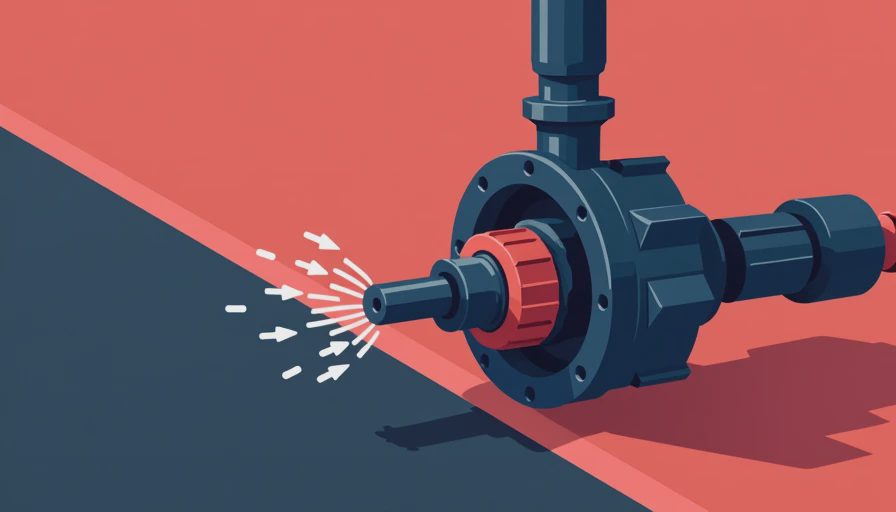
When a brake bleeder check valve helps most
A brake bleeder check valve earns its keep when you are doing one-person bleeding, gravity bleeding, or a slow flush on a car with high mileage. It is especially handy if you are replacing a caliper, soft brake hose, or master cylinder and want a cleaner way to push old fluid out. A basic valve-and-hose setup usually costs about $10 to $30. A more complete bleed kit with hoses, fittings, and a catch bottle can run $30 to $80, while pressure bleeders from brands like Motive Products or similar aftermarket tools often cost more.
I tell students to think about the job, not the tool hype. If you are only bleeding one corner after a part swap, a simple valve can be enough. If you are flushing all four corners and want a faster, cleaner setup, a pressure bleeder may be better. The reason is control: pressure bleeding keeps the reservoir under light pressure, while the check valve helps manage the return path at the wheel. Both can work well, but they solve different problems.
Common mistakes that cause spongy pedal feel
The biggest mistake is assuming the valve fixes a bad seal everywhere else. If the hose slips on the bleeder nipple, if the bleeder screw threads are stripped, or if the catch bottle is open to the air, the system can still pull bubbles. Another common problem is moving too fast and letting the reservoir run low. Once the master cylinder sucks in air, you may have to start over at the master or bench-bleed the part before trying again.
A second mistake is using the wrong thread size or forcing a fitting onto a rusty bleeder screw. Brake parts are not forgiving. A damaged bleeder nipple can leak around the threads even when the screw feels tight, which makes the pedal feel inconsistent. If the screw is rusted solid, replace it before you round it off. A few dollars for a new bleeder screw is far cheaper than a caliper replacement.
What to look for before you buy one
A good brake bleeder check valve should clamp securely to common hose sizes, seal tightly on the screw, and be made from materials that handle brake fluid without swelling. Clear hose helps you see bubbles, which is useful for teaching or troubleshooting. Brass fittings, silicone-safe hose, and a solid one-way mechanism are worth paying for because brake fluid is aggressive and cleanup is messy. I also like kits that include spare hose and a small catch bottle, because those pieces get lost in a garage faster than people expect.
If you are shopping in a parts store or online, match the fitting to your car before you click buy. A valve that works on one vehicle may not fit another if the bleeder screw size is different. That is one reason many DIY owners end up with mixed kits from OEMTools, Lisle, Capri Tools, or generic marketplace sellers. I am not married to any single brand; I am married to a tool that seals properly and does not waste time.
A simple way to use it without making a mess
Put the car on level ground, support it safely, and remove the wheel for access. Clean the bleeder screw before opening it so dirt does not fall into the port. Attach the hose, route it into a catch bottle, and keep the end below the fluid level if the kit is designed that way. Crack the screw open just enough to flow, not enough to gush. Then press the brake pedal slowly and release it slowly. Fast pedal work stirs bubbles and makes the reading harder to trust.
If you are working alone, this is where the valve saves time. You can watch the hose, see whether fluid comes out clean, and close the screw when the stream looks steady. When you move to the next wheel, top off the reservoir again. That habit matters more than any gadget. A brake bleeder check valve is helpful, but clean workflow is what finishes the job.
System Diagram reference: imagine a line from the reservoir to the master cylinder, then out through the hydraulic lines to each caliper or wheel cylinder. The check valve sits at the wheel end of that path, controlling the flow direction during service. That mental picture makes the whole process easier to remember.
Quick Quiz: What problem does a brake bleeder check valve reduce during a one-person bleed? If you answered backflow of air into the system, you have the core idea. If you are ready to move from theory to practice, buy the right hose size, keep fresh DOT-rated fluid on hand, and use the tool as part of a careful bleed sequence. A brake bleeder check valve is a small part, but on the right job it saves time, fluid, and a lot of repeat work.

No letters yet — be the first to write.