If a jet heater old unit is still trying to warm your garage, shop, or basement, the biggest risk is not just comfort. It is wasted fuel, smoky startup, and the chance that a small fault turns into a shutdown when you need heat most. Let's start with the basics and build from there. A jet heater old setup usually means a high-velocity forced-air heater that has lost some of its original efficiency. The burner can get dirty, the blower can wear, and the safety controls can become less forgiving.
To understand the problem, define the parts. The burner is where fuel and air mix and ignite. The igniter is the component that starts the flame. The heat exchanger is the metal chamber that transfers heat to the air without mixing exhaust into the room. When any one of those parts drifts out of spec, the whole system has to work harder. That is why an aging heater often seems noisy, smelly, or weak before it quits completely.
System Diagram reference: imagine a straight line from fuel supply to burner to blower to warm air outlet, with exhaust moving out a separate path. If the line is clean and balanced, heat is cheap. If the line is restricted, the heater burns more fuel and makes less usable heat.
Why a jet heater old unit wastes fuel
A jet heater old unit usually loses efficiency in small steps, not one dramatic failure. Dust on the burner face changes the air-fuel mix. Worn fan bearings slow airflow. A weak igniter creates delayed lighting, which can cause a puff of unburned fuel at startup. That puff is not just annoying; it is a sign that combustion is not happening at the right time.
The age factor matters too. Gaskets harden, hoses crack, and electrical contacts loosen from heat cycles. In plain terms, every heat cycle is a little expansion and contraction test. After years of those cycles, the machine can still run, but it no longer runs with the same margin of safety. On a jet heater old system, the first warning is often more fuel use for the same room temperature. The second warning is odor. The third is shutdown.

What to inspect before you spend money
Start with the easy visual checks. Unplug the unit or shut off power and look for soot, rust, melted insulation, or a cord that has gone stiff. Soot around the burner area usually points to incomplete combustion, which means the flame is not getting the air it needs. If the flame is yellow and lazy instead of sharp and steady, the heater is telling you the same thing.
Next, listen. A healthy blower sounds like smooth airflow. Grinding, squealing, or pulsing usually means the motor or bearings are tired. Feel the air output if it is safe to do so. A strong unit pushes heat fast. A weak one feels warm but not forceful. That gap matters because forced-air heaters depend on moving enough air across the heat exchanger to avoid overheating.
If you are comfortable opening the service panel, check the filter, air intake, and fuel nozzle or fuel line. A clogged filter can starve the system of air. A dirty nozzle can distort the spray pattern. On a jet heater old unit, those two problems often travel together, which is why cleaning one part without checking the others can lead to a false fix.
How to clean, test, and avoid guesswork
The smart repair order is simple. Clean first, test second, replace last. A soft brush, compressed air, and the correct replacement filter can solve a surprising number of problems for under $50. If the igniter is visibly worn, the flame sensor is coated with residue, or the motor is noisy, those parts are still worth pricing before you buy a new heater. A typical igniter might cost $25 to $90, while a blower motor can land in the $120 to $300 range. Labor pushes the total higher if you hire it out.
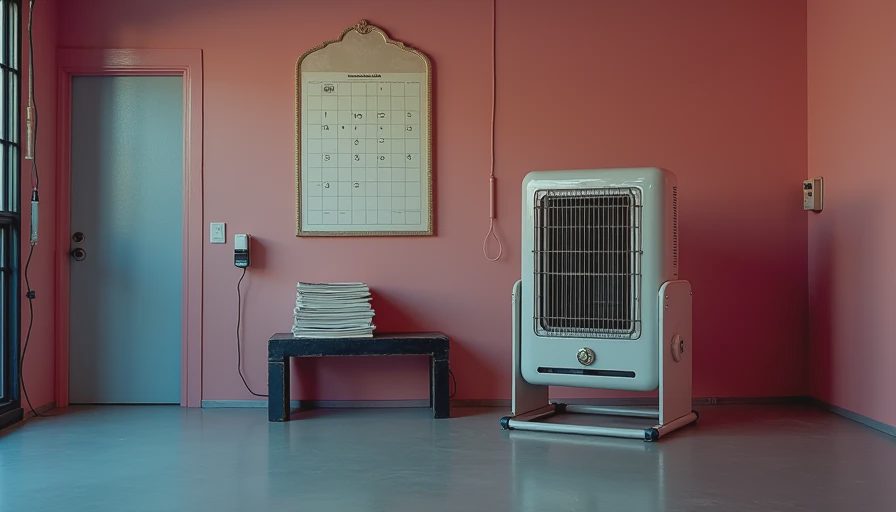
This is where diagnosis matters. If a jet heater old unit starts fine but quits after a few minutes, think heat buildup, airflow, or a control issue. If it struggles to light every time, think fuel delivery or ignition. If it lights cleanly but the room never really warms up, think airflow or heat exchanger restriction. Those are different failures, and they do not all need the same fix.
When replacement makes more sense than repair
There is a point where repair stops being a bargain. If the heat exchanger is cracked, the combustion chamber is heavily rusted, or the control board keeps failing, the cost can stack up fast. A decent portable or shop heater often runs from about $200 to $900 depending on output and fuel type, so a repair bill that climbs toward half the price of a new unit deserves a hard look. That is especially true if the heater is already more than 10 to 15 years old and parts are becoming harder to source.
A jet heater old model can also create hidden costs. It may take longer to heat the space, which means longer run time and higher fuel use all winter. It may also force you into repeated service calls for the same symptom. At that point, the real comparison is not repair price versus sticker price. It is repair price versus several seasons of dependable heat.
If you want a simple rule, use this one: fix the unit if the problem is local and cheap, replace it if the failure is structural or recurring. Local means a filter, igniter, nozzle, thermostat, or motor. Structural means cracked metal, warped parts, or unsafe combustion.
Quick Quiz and next step
Quick Quiz: if the heater lights but the flame looks yellow, what does that usually tell you? It usually means the mix of fuel and air is not right, so the heater needs cleaning or airflow correction before it gets more expensive to run. If it starts with a loud puff, what is happening? The fuel is lighting late, which is a clue that the ignition path or burner condition is not healthy.
If you remember one concept from this post, make it this one: a jet heater old unit rarely fails all at once. It gives clues. Watch the flame, listen to the blower, and read the smell and soot before you spend money. If the machine is only dirty, clean it. If the machine is worn in the structure, replace it. That approach saves cash, reduces risk, and gets you back to a warm space faster.


No letters yet — be the first to write.