Can you mix pink and blue coolant without damaging the engine or creating an expensive cooling-system problem? Sometimes, but color alone cannot answer the question. Coolant color is a dye chosen by a manufacturer, while the important differences are the chemical additives inside the fluid. Those additives protect aluminum, steel, rubber seals, water pumps, and radiator passages from corrosion and freezing.
Let's start with the basics and build from there. Coolant is a mixture of antifreeze and water, usually at a 50/50 ratio. Antifreeze lowers the freezing point and raises the boiling point. The additive package provides corrosion protection. A cooling system that contains the wrong mixture can lose that protection even if the fluid still looks clean.
Why Coolant Color Is Not a Compatibility Test
Pink, blue, green, orange, yellow, and purple are not universal technical standards. One brand's pink coolant can use a different formula from another brand's pink coolant. The same is true for blue coolant. Some colors are commonly associated with certain technologies, but the label and vehicle specification matter more than the bottle's appearance.
The main coolant families are IAT, OAT, and HOAT. IAT means inorganic additive technology and is common in older vehicles. OAT means organic acid technology and typically provides long-life corrosion protection. HOAT means hybrid organic acid technology, combining organic additives with selected inorganic inhibitors. These formulas are not automatically interchangeable.
For example, a European vehicle might specify a particular phosphate-free OAT or HOAT product, while a Japanese vehicle might require a phosphate-containing formulation. A universal coolant can be suitable for many applications, but “universal” still means you should read the product's compatibility list. It does not mean every fluid can be poured into every engine.
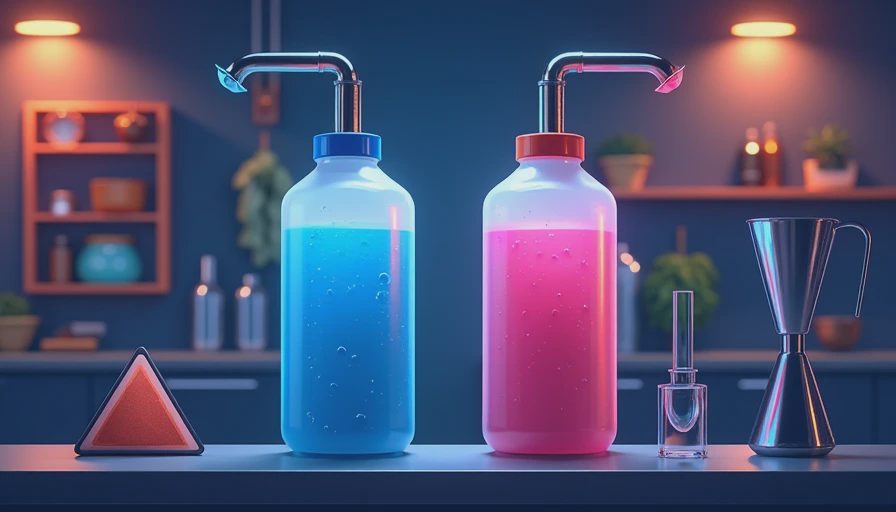
If you are asking can you mix pink and blue coolant because the reservoir is low, first identify the vehicle and the fluid already installed. Look in the owner's manual, the under-hood coolant label, or the service records. The specification may look like a manufacturer approval, a product standard, or a coolant technology description. A parts-store employee can help compare labels, but the vehicle manual is the better starting point.
What Happens When Incompatible Coolants Are Mixed
In a best-case situation, the fluids remain visibly normal and the engine continues operating. That does not prove the mixture is ideal. In a worse situation, additives can react, reducing corrosion protection or creating suspended material. The result may look cloudy, muddy, or grainy. Deposits can restrict narrow passages in the radiator, heater core, or thermostat housing.
A heater core is the small radiator inside the dashboard that transfers engine heat into the passenger compartment. Because its passages are narrow, contamination can reduce cabin heat before the engine temperature gauge shows a serious problem. Deposits can also contribute to a sticking thermostat, water-pump wear, or overheating under heavy loads.
That is why the answer to can you mix pink and blue coolant is not simply yes or no. Compatible products can be mixed in an emergency, but incompatible formulas should be drained and replaced. Even when no immediate reaction occurs, a diluted additive package can shorten the useful protection of the coolant.
Never open a hot radiator cap or pressurized expansion-tank cap. Hot coolant can cause severe burns. Let the engine cool completely, then inspect the level and condition. If the reservoir is empty, look for a leak rather than treating repeated top-offs as normal maintenance.
A Safe Decision Process for Your Vehicle
Begin by checking the coolant level between the low and full marks when the engine is cold. If the level is only slightly low and you need to reach a repair shop, distilled water can be used temporarily in many situations, especially when freezing temperatures are not a concern. Water is not the correct long-term replacement because it lacks antifreeze and corrosion inhibitors.
Next, photograph the coolant label and find the vehicle's required specification. Do not rely on a color chart from memory. If the existing fluid is unknown and the level is dangerously low, use a compatible premixed product only after confirming the specification. Pouring in a random color because it is available can make the later diagnosis harder.
If you already mixed products, watch for an unusual color change, floating particles, thick sediment, an overheating warning, weak cabin heat, or a rising temperature gauge. These signs do not identify the exact chemical problem, but they justify stopping the vehicle and arranging an inspection. Continuing to drive an overheating engine can turn a coolant service into a head-gasket or engine repair.

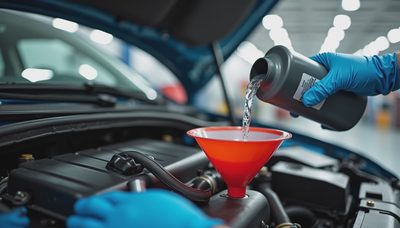
For a full correction, a technician can drain the system, flush it with the appropriate method, inspect the hoses and thermostat, and refill it with the specified premixed coolant. Some vehicles require a special air-bleeding procedure. Trapped air can prevent proper circulation and cause temperature spikes, so the refill is not always as simple as emptying one bottle into the reservoir.
Can You Mix Pink and Blue Coolant in an Emergency?
If the vehicle is losing coolant on the roadside, preventing overheating is the immediate priority. A small amount of compatible emergency fluid is better than driving with an empty system, but use the shortest route to a repair facility and monitor the temperature gauge. If the warning light appears, the gauge climbs, steam escapes, or the engine runs poorly, pull over safely and shut it down.
Do not use the emergency situation as permission to mix several colors repeatedly. Every added product changes the concentration and makes the system's history less clear. Record the brand, product type, color, and amount added. That note gives the technician useful information when deciding whether a drain and refill is sufficient or whether a more complete flush is appropriate.
A bottle labeled “ready to use” is already mixed with water. A bottle labeled “concentrate” must be diluted according to its instructions, commonly with distilled water. Adding concentrate directly to a system without considering the existing water content can produce an incorrect antifreeze ratio. Too little antifreeze reduces protection; too much can also reduce heat-transfer performance.
The Practical Answer for Common Scenarios
If the pink and blue products have the same documented specification and technology, mixing a small amount is generally acceptable. If both labels specifically say they are compatible with the vehicle, the color difference is mainly dye. If the specifications are different, avoid mixing and use a full drain, flush, and refill instead.
If you cannot identify either coolant, do not guess. A professional shop can test the fluid's freeze protection and inspect its appearance, although a simple test does not replace checking chemical compatibility. The most reliable repair is usually to remove the unknown mixture and refill with the correct product.
If you are preparing a family vehicle for winter, this is a good time to check the coolant age, hoses, clamps, reservoir, and temperature gauge behavior. A coolant service often costs roughly $100 to $250 at an independent shop, while an overheating repair can cost far more. Prices depend on vehicle design and labor, but prevention is usually the less expensive lesson.
Quick Quiz and Final Takeaway
Quick Quiz: Does pink coolant always have the same formula as blue coolant? No. What identifies compatibility? The vehicle specification and coolant technology, not the color. What should you do with an unknown mixture? Avoid continued guessing and arrange a drain, flush, and refill when practical.
If you remember one concept from this post, make it this one: can you mix pink and blue coolant only when the products are chemically compatible according to their labels and your vehicle requirements. Color is a clue at most, never proof. Read the specification, protect yourself from hot coolant, correct leaks promptly, and use the proper refill procedure. That approach protects the cooling system and your repair budget.

No letters yet — be the first to write.