A cooling-system failure can turn a normal commute into a $1,500 repair, especially if overheating damages the head gasket or aluminum engine parts. Coolant Antifreeze is the fluid that carries heat away from the engine while protecting against freezing, corrosion, and boiling. Let's start with the basics and build from there so you can choose the right product and recognize trouble early.
What coolant actually does
Engine coolant is a mixture of water and chemical additives. The water transfers heat efficiently, while antifreeze concentrate changes the mixture's freezing and boiling behavior. The finished fluid is often called coolant, even though antifreeze technically refers to the concentrated chemical before it is mixed.
A typical system circulates fluid through passages around the cylinders, then sends it to the radiator. Air moving through the radiator removes heat before the fluid returns to the engine. A thermostat, which is a temperature-controlled valve, regulates when coolant flows through the radiator. The water pump provides circulation, and the pressure cap raises the boiling point of the mixture.
Coolant Antifreeze also contains corrosion inhibitors. These additives protect aluminum, iron, steel, solder, rubber seals, and other materials from chemical attack. Without that protection, a cooling system can develop rust, scale, clogged radiator tubes, or leaks around gaskets. A low level is not the only concern; old or contaminated fluid can fail even when the reservoir appears full.
Quick Quiz:
What carries heat through the engine: the color of the fluid or the water portion of the mixture? The answer is the water portion. Color helps identify a product, but it does not prove compatibility or quality.
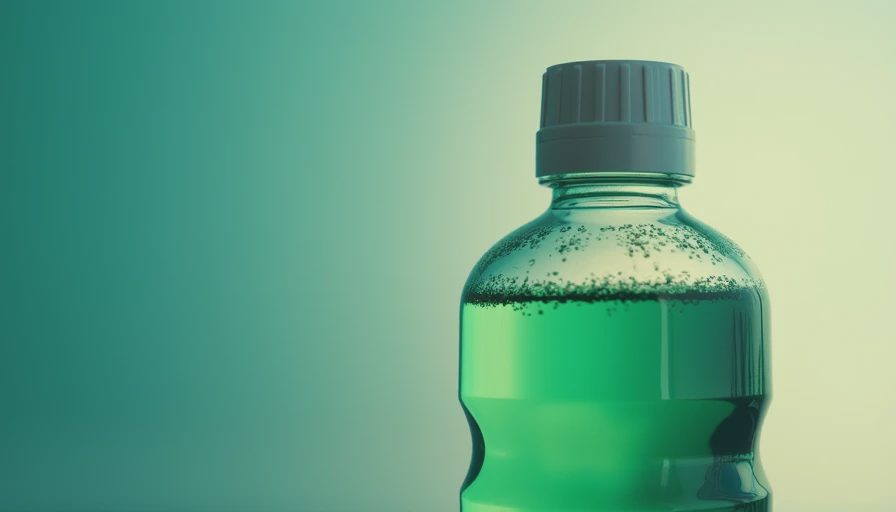
Understanding IAT, OAT, and HOAT formulas
Coolant chemistry is where many do-it-yourself mistakes begin. IAT means inorganic additive technology. This older formulation commonly uses silicates or phosphates and is found in some classic vehicles and older applications. Its protective additives can wear out sooner, so service intervals are often shorter.
OAT means organic acid technology. OAT formulas use organic acids for long-term corrosion protection and are common in many newer vehicles. HOAT means hybrid organic acid technology; it combines organic acids with selected inorganic inhibitors. Different automakers choose different additive packages, so two fluids with the same color may still be chemically different.
Never choose only by color. Blue, green, orange, yellow, and pink dyes are not universal standards. Read the vehicle owner's manual and the bottle's application list. Products such as Zerex, Peak, and OEM-branded coolant can be suitable, but only when their specification matches the vehicle. If the existing fluid is unknown, a complete drain and refill is safer than guessing about a mixture.
A System Diagram reference is useful here: trace the path from the reservoir to the radiator, thermostat, water pump, engine passages, and heater core. The heater core is a small radiator inside the dashboard, which is why low coolant can cause weak cabin heat before the engine temperature gauge rises.
Getting the mixture and level right
Many vehicles use a 50/50 mixture of concentrate and distilled water. Premixed coolant already contains water, so adding more water makes the mixture too weak. Adding concentrate to premixed fluid makes it too strong. Either error can reduce protection and hurt heat transfer. Follow the specification in the manual, particularly in very cold regions or vehicles with unusual cooling systems.
Tap water is not ideal because dissolved minerals can leave deposits inside narrow passages. Distilled or deionized water is the better choice when mixing concentrate. Do not add water to a hot engine. Allow the vehicle to cool completely, then remove the reservoir cap slowly with a thick cloth if the manual permits it.
The level should sit between the reservoir's MIN and MAX marks when the engine is cold. A small change between hot and cold is normal because the fluid expands. A reservoir that repeatedly drops needs diagnosis. Common causes include a loose hose clamp, cracked radiator, failing water pump seal, damaged radiator cap, or internal engine leak.
Coolant Antifreeze should never be poured onto the ground. Ethylene glycol is toxic to people and animals, and its sweet smell can attract pets. Store containers securely and take used fluid to a recycling or hazardous-waste collection point.

How to inspect and test the cooling system
Begin with a cold engine and a bright flashlight. Look for wet areas or dried crust around hose connections, the radiator seams, thermostat housing, water pump, and reservoir. Green, orange, or pink residue can indicate a leak, but clear water under the vehicle may simply be condensation from the air conditioner. A sweet odor after driving deserves attention even when no puddle is visible.
Inspect the belt that drives the water pump if the design uses an external belt. Fraying, glazing, or contamination can lead to loss of circulation. Check the temperature gauge during a normal drive. A gauge that climbs above its usual position, fluctuates sharply, or triggers a warning message means you should stop safely and shut the engine down. Continuing to drive while overheated can cause severe damage.
A coolant tester can estimate freeze protection. Some testers use floating balls, while refractometers measure how light bends through the sample. Testing tells you about concentration, not necessarily additive condition. Fluid that tests correctly can still be dirty, rusty, or chemically depleted.
If the system loses fluid but shows no external leak, a repair shop can perform a pressure test. This pressurizes the system while the engine is off and helps reveal small leaks. Never use a pressure cap with a rating different from the manufacturer's specification.
When to flush or replace it
A coolant flush removes old fluid and contamination, while a drain and refill replaces only the fluid that can be removed through the drain point. Some modern systems require special bleeding procedures to remove trapped air. Air pockets can cause poor heater performance, noisy circulation, or localized overheating, so follow the service procedure for the specific vehicle.
Replacement timing depends on the formula, vehicle, mileage, and manufacturer schedule. Some modern Coolant Antifreeze products are designed for extended service, while older IAT systems often need more frequent replacement. Do not use a universal interval simply because a label says “long life.” The vehicle manual is the controlling reference.
If you are changing chemistry, flush thoroughly rather than topping off with a different type. Mixing incompatible additives can create deposits or reduce corrosion protection. A professional service is worthwhile when the fluid is oily, rusty, sludgy, or repeatedly contaminated.
Quick Quiz:
Why is color not enough to select replacement fluid? Because dye is not a universal chemical standard. The specification and material compatibility matter more than the appearance.
If you remember one concept from this post, make it this one: Coolant Antifreeze is a carefully engineered mixture, not simply colored water. Check the specification, maintain the correct level, investigate every loss, and treat overheating as an urgent warning. Those habits cost little and can protect an engine worth thousands of dollars.

No letters yet — be the first to write.