Detergent additives for gasoline are one of the most underrated parts of everyday driving. Most of us fill the tank, pay, and go, without thinking about the chemistry that keeps the engine running smoothly. But those tiny chemical compounds in your fuel do important work: they scrub away carbon and varnish that build up inside fuel injectors and intake valves. If your car feels sluggish at 60,000 miles or fuel economy drifts lower, these additives are part of the answer. Let's start with the basics and build from there.
What Are Detergent Additives for Gasoline?
Detergent additives are chemical compounds blended into gasoline at the refinery or terminal. Their job is to prevent carbon deposits from forming on critical engine parts and to remove deposits that already exist. Federal rules require a minimum amount of detergent in all commercial gasoline, but that minimum is low. That is why automakers created a voluntary standard called Top Tier to encourage higher concentrations.
A deposit is a layer of carbon, varnish, or gum that forms when fuel burns incompletely. At a chemical level, detergents are surfactants. They have a tail that loves fuel and a head that loves metal. The head attaches to the metal surface, creating a microscopic layer that keeps deposit-forming particles from sticking. Over time, the same chemical action can loosen and wash away existing carbon.
Think of the fuel system as a line of pipes and doors. Detergent additives in gasoline travel through the fuel pump and filter, then through the injectors and past the intake valves. They can reach almost every spot where deposits form. That broad coverage is why a single tank of treated fuel can make a difference you feel at the next stoplight.

How Detergents Keep Your Engine Clean
When fuel flows through an injector, the nozzle is precisely machined to deliver an exact spray pattern. A thin layer of carbon on that nozzle disrupts the spray, causing fuel to dribble instead of atomize. Incomplete atomization means the air-fuel mixture is uneven, so some cylinders run lean and others run rich. The result is rough idle, hesitation on acceleration, and a possible check engine light.
Intake valves face a different problem. Deposits act like a sponge, absorbing fuel and changing the air-fuel ratio. Direct injection engines are especially prone because fuel never washes over the back of the valve. Detergent additives for gasoline are the first line of defense. Catch the problem early, and a good dose of cleaner can dissolve a surprising amount of crust. Wait too long, and the only fix is walnut-shell blasting, which costs $300 to $600. That is why prevention matters more than cure. System Diagram reference: trace the fuel path from the tank to the combustion chamber, and you will see that detergents touch every surface along the way.
Top Tier Gasoline and the Brands That Meet the Standard
Top Tier is a fuel performance standard created in 2004 by automakers including BMW, General Motors, and Honda. To earn the certification, a gasoline brand must use a much higher concentration of detergent additives for gasoline than the federal minimum. Look for the Top Tier logo at Shell, Chevron, Exxon, Marathon, Costco, and BP. The extra cost is usually a few cents per gallon, which adds up to $20 to $40 a year for a typical driver. That is a small price to keep the fuel system clean. If you always use a Top Tier brand, you probably do not need an additive bottle at all.

Do You Really Need an Additive Bottle?
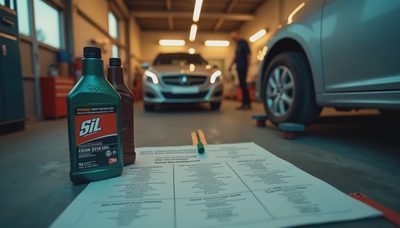
If your go-to station is not Top Tier certified, or if you drive a high-mileage direct injection vehicle, an additive bottle can be a smart buy. Look for a cleaner that contains polyether amine, or PEA. Chevron Techron, Red Line SI-1, and Royal Purple Max-Clean all use PEA-based chemistry. A bottle costs $8 to $15 at AutoZone, Advance Auto Parts, or Walmart. Compare that to a professional fuel injector cleaning service at $150 to $250, and the math is easy. Use the additive every 3,000 to 5,000 miles, ideally before an oil change. If you are unsure about your fuel, buy a single bottle and run it through a tank; you will often feel a smoother idle within a few miles.
How to Choose and Use a Fuel System Cleaner
Using a pour-in cleaner is simple. Pick a time when your tank is below a quarter full, pour in the entire bottle, and fill up with fuel. Drive your normal mix of city and highway miles for the whole tank. Do not use a bottle at every fill-up; more is not better. A heavy dose can loosen a large chunk of carbon, and if it gets stuck, you could end up with a misfire. Follow the label interval, usually every 3,000 miles. If your car is under warranty, some automakers require Top Tier fuel, so keep your gas receipts.
Quick Quiz and Final Takeaway
Quick Quiz: Which ingredient should you look for in a fuel system cleaner? PEA. What does Top Tier certification mean? It means the fuel has a higher detergent concentration than the federal minimum. Should you buy an additive bottle if you always pump Top Tier? Usually not.
The bottom line: detergent additives for gasoline are not snake oil. They are a proven tool that keeps your fuel system clean, your fuel economy stable, and your emissions low. Whether you get them from a Top Tier pump or a bottle at the auto parts store, your engine will thank you. If you remember one concept from this post, make it this one: the cheapest maintenance is often chemistry, not tools. And if you are ever in doubt, treat it like a lesson: start with the basics, understand the part, then make a decision. That is the Drivewayschool way.


No letters yet — be the first to write.