A puddle under your car can represent anything from harmless air-conditioning condensation to a brake-fluid leak that threatens your safety. Fluid Troubleshooting gives you a structured way to identify the source, understand the risk, and choose the next step without guessing. Let's start with the basics and build from there. You do not need an engineering degree, but you do need good lighting, a level parking surface, and a willingness to stop driving when symptoms point to danger.
Start with location, timing, and color
Begin by parking on clean, dry pavement. If possible, place a piece of plain cardboard beneath the engine and transmission overnight. The position of a drip matters because fluids travel across splash shields and frame members before reaching the ground. A spot near the front bumper may still come from an engine component, while a puddle near a rear wheel could involve a brake line or axle seal.
Note when the fluid appears. A clear, odorless puddle after running the air conditioner is usually water from condensation. A leak that appears only after driving may come from a pressurized cooling, lubrication, or hydraulic system. Fluid Troubleshooting works best when you record the date, approximate amount, and location instead of relying on memory.
Color provides a useful clue, not a final diagnosis. Engine oil is commonly amber when fresh and dark brown or black when used. Automatic transmission fluid is often red or pink, although newer fluids can be yellow, blue, or nearly clear. Coolant may be green, orange, pink, blue, or yellow depending on its formulation. Brake fluid is usually clear to amber. Never taste a fluid, and keep every automotive chemical away from children and pets.
Understand what each fluid does
Engine oil forms a lubricating film between moving metal parts. When the oil level drops, bearings, camshafts, and timing components can suffer accelerated wear. Check the dipstick with the engine off on level ground, following the owner's manual for the waiting period. A small amount below the full mark is different from a dipstick that is dry; the second condition deserves immediate attention.
Coolant carries heat away from the engine and protects against freezing and corrosion. A low coolant reservoir, sweet smell, visible steam, or rising temperature gauge suggests a cooling-system problem. Never remove a radiator cap from a hot engine. The system can be pressurized, and escaping coolant can cause serious burns.
Brake fluid transfers pedal force through hydraulic lines to the calipers or wheel cylinders. A soft pedal, a sinking pedal, or a brake-fluid warning light is a safety issue, not a routine maintenance reminder. Transmission fluid lubricates gears, controls hydraulic pressure, and carries heat away from clutches. Slipping, delayed engagement, harsh shifts, or a burnt smell can indicate a level, leak, or internal problem.

Fluid Troubleshooting for common leaks
Oil leaks often begin at a valve-cover gasket, oil-pan gasket, drain plug, or front crankshaft seal. Fresh oil usually feels slick and leaves a brown or black mark. A repair shop can add ultraviolet dye to the oil and use a UV lamp to trace a slow leak. Do not simply keep adding oil for months; low oil can damage an engine, and oil on a hot exhaust component can create smoke or a fire hazard.
Coolant leaks may appear at a radiator hose, thermostat housing, water pump, radiator, or heater-core connection. Dried coolant can leave a crusty residue around a fitting. A pressure test is often more reliable than guessing from the puddle because it reveals leaks while the system is cold and pressurized. If the temperature gauge rises above normal, turn off the air conditioner, pull over safely, and shut down the engine.
Transmission-fluid leaks commonly develop at cooler lines, axle seals, pan gaskets, or electrical connectors. Some vehicles have no dipstick and require a specific temperature-based fill procedure. Fluid Troubleshooting should not lead you to pour in a universal product automatically. A CVT, dual-clutch transmission, and conventional automatic transmission can require very different fluids, and the wrong formulation can cause expensive shifting problems.
When color and smell reveal contamination
Fluid appearance changes as it ages or mixes with another substance. Milky engine oil can indicate coolant contamination, although condensation from repeated short trips can sometimes create a light deposit under an oil cap. Foamy transmission fluid may suggest aeration from an incorrect level, while fluid that smells sharply burnt may have experienced excessive heat. These clues require confirmation rather than a quick flush recommendation.
Coolant that looks oily can point to an internal engine problem or a failed oil cooler. Transmission fluid that appears pink and frothy may be contaminated with coolant from a damaged transmission cooler. Brake fluid that is very dark can be old and moisture-laden, but color alone does not prove that the hydraulic system is unsafe. Fluid Troubleshooting becomes more accurate when you combine color with odor, level, location, and vehicle behavior.
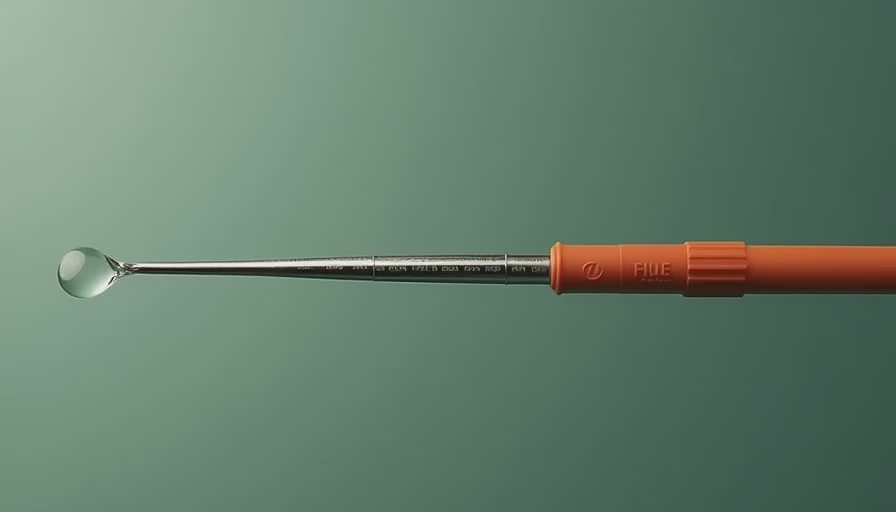
A useful System Diagram reference is the path from reservoir to pump, line, actuator, and return passage. A leak near the reservoir may be simple to repair, while a leak at an actuator can affect operation. Understanding direction of flow helps you ask a technician a precise question and avoid replacing a part just because it is near a wet spot.
Warning lights and safe next steps
Warning lights change the urgency of a diagnosis. An oil-pressure light means the engine may not be receiving adequate lubrication; stop as soon as traffic conditions allow and turn off the engine. A temperature warning requires a safe stop and cooling period. A brake warning light, especially with a soft pedal, calls for avoiding further driving and arranging professional assistance. A check-engine light is less specific, but flashing is generally more urgent than steady illumination.
For a minor seep with normal fluid levels and no warning lights, schedule an inspection soon and monitor the level. For a large puddle, rapid loss, steam, smoke, fuel odor, or changed braking and steering behavior, use a tow service. Do not crawl under a vehicle supported only by a jack. Jack stands and wheel chocks are essential for any under-car inspection.
Fluid Troubleshooting should end with documentation. Photograph the puddle, note the fluid level, record the dashboard message, and write down whether the symptom occurred during startup, acceleration, braking, or turning. This information can save diagnostic time and reduce the chance of an unnecessary parts swap.
A simple inspection routine
Once a month, inspect the ground beneath your usual parking spot. With the engine cold, check engine oil, coolant level, windshield-washer fluid, and visible power-steering or brake reservoirs if your vehicle has them. Look for wet hoses, cracked caps, swollen rubber, and residue around joints. Check the owner's manual before opening a transmission fill point or adding any fluid.
After a long drive, observe only from a safe position. A new smell of hot oil, coolant, or burning friction material deserves attention. Compare today's fluid level with the mark on the reservoir rather than filling to an arbitrary point. Overfilling can also cause foaming, pressure problems, or leaks.
If you use a commercial service, ask what failed, where the leak begins, which fluid specification is required, and whether the repair includes cleaning and a recheck. Brands such as Valvoline, Pennzoil, Castrol, and Prestone sell many legitimate products, but the label must match the vehicle manufacturer's specification. Product color is not a substitute for the required standard.
Quick Quiz and final lesson
Quick Quiz: What does a clear puddle after air-conditioning use often represent? Usually, water condensation. What does a dry oil dipstick mean? Stop and investigate before running the engine. What should you do with a rising temperature gauge? Pull over safely and shut down rather than continuing to drive.
If you remember one concept from this post, make it this one: the fluid itself is only one clue. Fluid Troubleshooting combines location, timing, color, smell, level, warning lights, and vehicle behavior. That sequence protects your wallet by catching small leaks early and protects your safety by identifying brake, cooling, and oil-pressure emergencies. When the evidence points to a serious problem, a tow and a proper diagnosis are cheaper than an engine, transmission, or collision repair.


No letters yet — be the first to write.