If your car's heater blows cold air even after the engine is warm, you might need a heater core flush. A heater core flush clears out clogs in the small radiator that provides cabin heat. Without it, you could be facing a costly replacement. Let's start with the basics and build from there.
What Is a Heater Core and Why Does It Need Flushing?
The heater core is a miniature radiator located inside your dashboard. Engine coolant flows through it, and a fan blows air across its fins to warm the cabin. Over time, debris, rust particles, and old coolant deposits can clog the core's narrow passages. Using stop-leak products or mixing incompatible coolant types accelerates this buildup. A heater core flush removes those deposits, restoring flow and heat. If you ignore a clog, the core can fail completely, leading to an expensive dash-out replacement.
Symptoms of a Clogged Heater Core
How do you know a flush is needed? Look for these signs:
- The heater blows only cool or lukewarm air, even when the engine is at operating temperature.
- Coolant leaks inside the passenger footwell (often a sweet smell or damp carpet).
- Foggy windows that won't clear, caused by coolant vapor entering the cabin.
- Temperature gauge fluctuates or runs lower than normal (less coolant flow through the heater circuit).
If you notice any of these, a heater core flush is the first repair to consider before replacing the entire core.
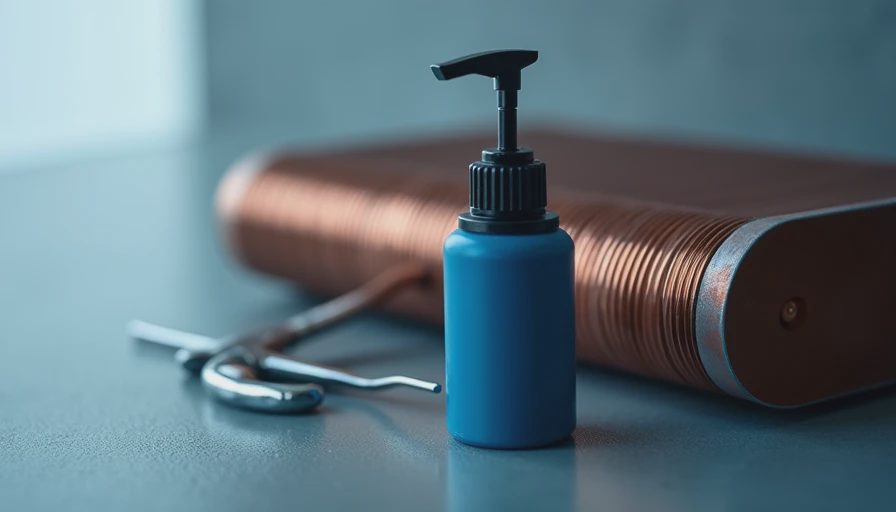
Tools and Materials for a Heater Core Flush
You don't need a specialty shop. A heater core flush is a DIY job with basic tools. Here's what you'll need:
- Garden hose with a spray nozzle
- Heater core flush kit (available at auto parts stores for $10–$20) or a simple adapter to connect the hose
- Two buckets (one to catch old coolant)
- Distilled water (1–2 gallons)
- New coolant (check your owner's manual for the correct type — usually a 50/50 mix)
- Funnel, pliers, and screwdrivers
- Safety glasses and gloves
The total cost for supplies is under $50. A professional radiator shop might charge $100–$200 for the same service.
Step-by-Step Heater Core Flush Procedure
Before you begin, make sure the engine is completely cold. Hot coolant can cause burns.
- Locate the heater core hoses. Usually two hoses going through the firewall into the passenger compartment. On many cars, they're near the center of the firewall.
- Disconnect one hose at the firewall. Use a bucket to catch any coolant that spills.
- Attach your flush kit or adapter to the disconnected hose end. Follow the kit directions; typically you connect the garden hose to one hose while leaving the other open for drainage.
- Turn on the garden hose at low pressure. Water will flow through the heater core and out the other hose. Flush until the water runs clear. If it's heavily clogged, you can reverse the flow by swapping hose attachments.
- After flushing, disconnect the garden hose and reconnect both heater hoses securely.
- Fill the cooling system with distilled water and run the engine with the heater on full for 10 minutes to circulate. Then drain the system completely.
- Refill with the correct coolant mixture (50/50 antifreeze and distilled water).
- Bleed any air pockets according to your vehicle's procedure (some cars have a bleed screw).
That's the complete heater core flush. If the heat doesn't improve, the core may be too clogged or damaged to save, and replacement is needed.

When to Call a Professional Instead
A heater core flush is straightforward for most DIYers, but there are exceptions. If your car has a complicated cooling system (European models, some hybrids), or if you can't access the hoses easily, it's worth paying a shop. Also, if the core has been leaking coolant into the cabin for a while, rust and sediment may have permanently blocked it. In that case, a flush won't help, and you'll need a new heater core. Replacement labor can run from $500 to $1,200 because the dashboard must be removed. That's why catching it early with a flush is so important.
Quick Quiz: Test Your Understanding
- What is the purpose of a heater core flush?
- Name two symptoms of a clogged heater core.
- What should you do if a flush doesn't restore heat?
Answers: 1. To remove deposits and restore coolant flow. 2. Cold heat and coolant leaks in the footwell. 3. The core may need replacement.
If you remember one concept from this post, make it this one: A heater core flush is a cheap first step that can save you from a very expensive dashboard removal. Check those hoses, grab a garden hose, and bring the heat back.
Common Mistakes to Avoid During a Heater Core Flush
Even a straightforward flush can go wrong if you skip details. Here are the most frequent errors and how to sidestep them.
First, using full-pressure water from the garden hose can rupture a weakened core. Keep the water pressure low — just enough to flow through, not blast. Second, forgetting to check the coolant type before refilling. Mixing incompatible coolants (e.g., green with orange) creates a gel-like sludge that clogs the core again within weeks. Always use the manufacturer-recommended fluid.
Third, neglecting to bleed air from the cooling system after refilling. Air pockets cause poor heater performance and engine overheating. Find the bleed screw or run the engine with the radiator cap off until bubbles stop. Fourth, attempting a flush when the core has been leaking for months. At that point, corrosion is too advanced; save your effort and budget for a replacement.
Finally, many DIYers skip the step of flushing with distilled water before adding fresh coolant. Tap water contains minerals that leave deposits, accelerating future clogs. Stick with distilled water for both the initial rinse and the final mixture. Avoiding these pitfalls ensures your flush actually restores heat and extends the life of the core.



No letters yet — be the first to write.