Let's start with the basics and build from there. If you're in the market for a dependable all-season tire for a sedan, crossover, or small SUV, the Michelin Defender 2 deserves a close look. As an automotive instructor, I've seen what budget rubber does to braking distances and to a family's budget. The Defender 2 sits on the pricier side, but it earns a lot of that price with a long treadwear warranty and consistent wet-road behavior.
What Is the Michelin Defender 2?
The Michelin Defender 2 is a standard touring tire. A touring tire is built for quiet rides, long tread life, and year-round capability rather than cornering grip or aggressive off-road use. It replaces the original Michelin Defender, a longtime favorite among commuters and ride-share drivers. The second-generation version keeps that same mission: get you to work safely for years, even through rain and light snow.
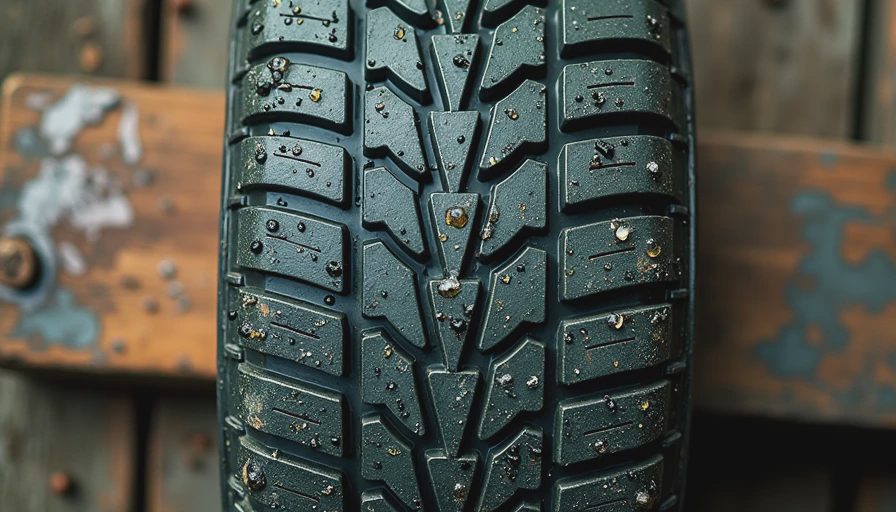
Underneath the tread, the Defender 2 uses an all-season rubber compound. That compound stays flexible in cold weather while holding up to summer heat. You also get full-depth tread sipes, thin slots cut into the tread blocks that create extra biting edges on wet or icy pavement. More biting edges usually mean shorter stopping distances.
System Diagram reference: picture a tire cross-section. The tread is the only part that touches the road, so every groove and sipe has one job: move water out from under the contact patch, the area where tire rubber meets the road. If water can't escape, the tire hydroplanes and you lose traction. That's why the Defender 2's four wide circumferential grooves matter.
How the Michelin Defender 2 Performs in Rain, Snow, and Heat
My students often ask whether an expensive tire actually stops better. The short answer is yes, and the Defender 2 is a good example. In dry conditions, the tire feels calm and predictable. Steering response is not sports-car sharp, but it's direct enough for a family sedan. The bigger win is in the wet. The sipes evacuate water quickly, so you feel less float above 50 mph. Hydroplaning resistance is noticeably better than on bargain-brand all-seasons I've tested.
In light snow, the Defender 2 handles like a competent all-season should. It will not replace a dedicated winter tire on packed ice or deep snow, and I tell students the same thing. If you live where winter is a real season, budget for a second set of wheels. If you drive mostly on cleared city streets, this tire is enough.
Heat is where long-mileage tires often get noisy. The Defender 2's tread pattern minimizes the resonant hum that some all-seasons develop at highway speed. On a 300-mile trip, the interior stays conversation-friendly. That's the kind of comfort that keeps drivers happy.
Who Should Buy the Michelin Defender 2
The Michelin Defender 2 is not a performance tire. If you autocross on weekends or want razor-sharp turn-in, buy a summer or ultra-high-performance all-season tire. The Defender 2 is for the driver who values predictability and longevity. It's a natural fit for a Honda Accord, Toyota Camry, RAV4, Subaru Outback, or similar daily drivers.
It also works for ride-share and delivery drivers. High-mileage use makes the treadwear warranty especially valuable. Prices typically land between $140 and $220 per tire, depending on size and the shop you use. That's more than a no-name tire, but the cost per mile often comes out lower when the tread lasts two or three times longer.
One caveat: confirm the speed rating and load index match your vehicle. The Defender 2 comes in multiple speed ratings, and a tire shop can help you pick the right one. Putting a lower-rated tire on a car that needs a higher rating can affect handling and may not be covered by your vehicle's warranty.
Tire Maintenance and Your Auto Insurance Rates
Here is where the insurance connection comes in. Your auto insurance company does not give you a discount for picking the Michelin Defender 2 over another tire. Insurers do not ask about tire brands when quoting a policy. They care about your claims history, your driving record, and where you park at night. But tire choice can still affect your rates in an indirect way.
A tire that stops shorter and resists hydroplaning helps you avoid the single most expensive event in driving: an at-fault collision. A clear accident history keeps your premiums lower over time, and some insurers offer accident forgiveness after a clean period. Keeping the Defender 2 properly inflated, rotating it every 5,000 to 7,000 miles, and replacing it before the tread reaches 2/32 of an inch also protects your suspension and prevents blowout-related claims.
The right tire maintenance is a simple wallet move: check air pressure once a month, look at the tread with a penny, and get a rotation at every oil change. That routine is cheaper than any deductible.
Quick Quiz: Did You Catch the Key Points?
Let's close with a quick knowledge check.
What type of tire is the Michelin Defender 2? It is a standard touring tire built for wet-road confidence, low noise, and long tread life.
Should it replace winter tires on ice? No. It is an all-season tire, not a dedicated winter tire.
Does buying this tire lower your auto insurance bill automatically? No. It helps by reducing your risk of an accident, and an accident-free record is what insurers reward.
If you remember one concept from this post, make it this one: choose tires that shorten your stopping distance and maintain them properly. The Michelin Defender 2 is not the only good tire on the market, but it is a reliable answer for drivers who want peace of mind for 50,000 miles or more. Check your owner's manual for the correct size, and ask your tire shop for a quote on the Defender 2 before you decide.

No letters yet — be the first to write.