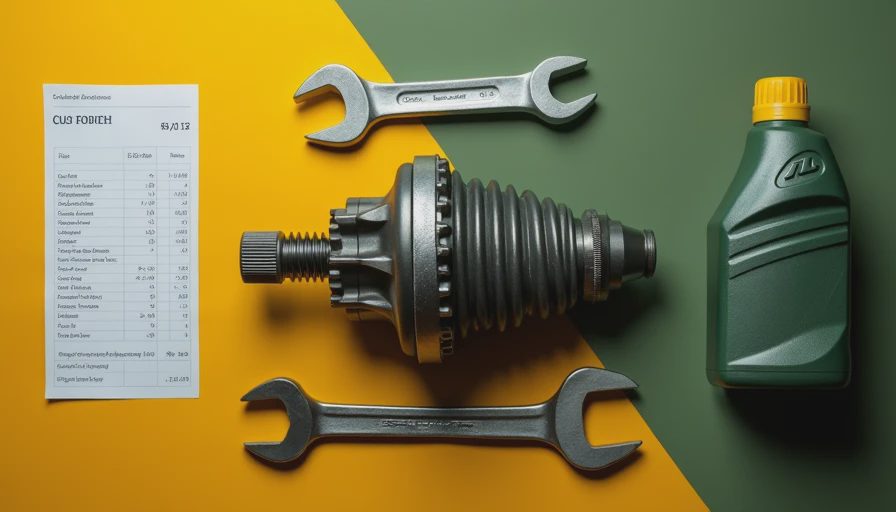
If you own a rear-wheel-drive or all-wheel-drive vehicle, understanding the **rear differential fluid change cost** is essential for budgeting maintenance. The differential transfers power to the wheels while allowing them to spin at different speeds — and its fluid breaks down over time. Skipping this service can lead to whining noises, metal shavings, and eventually a failed differential costing thousands to replace. Let's start with the basics and build from there.
What Determines the Rear Differential Fluid Change Cost?
The price you pay depends on several factors: the type of vehicle, the fluid required, and whether you do it yourself or hire a shop. For most passenger cars, a professional service runs **$100 to $250**. Trucks and SUVs, especially those with limited-slip or locking differentials, can push that to **$300 or more**. The fluid itself costs anywhere from **$15 to $50 per quart**, and most differentials take 2 to 3 quarts. Add friction modifier for limited-slip units, and the part cost goes up.
Labor rates vary by region but average **$80 to $120 per hour**. A rear differential fluid change typically takes 30 to 60 minutes, so labor adds **$40 to $120**. Dealerships charge more — often **$200 to $350 total** — while independent shops are usually cheaper.
DIY vs. Professional: Which Saves You More?
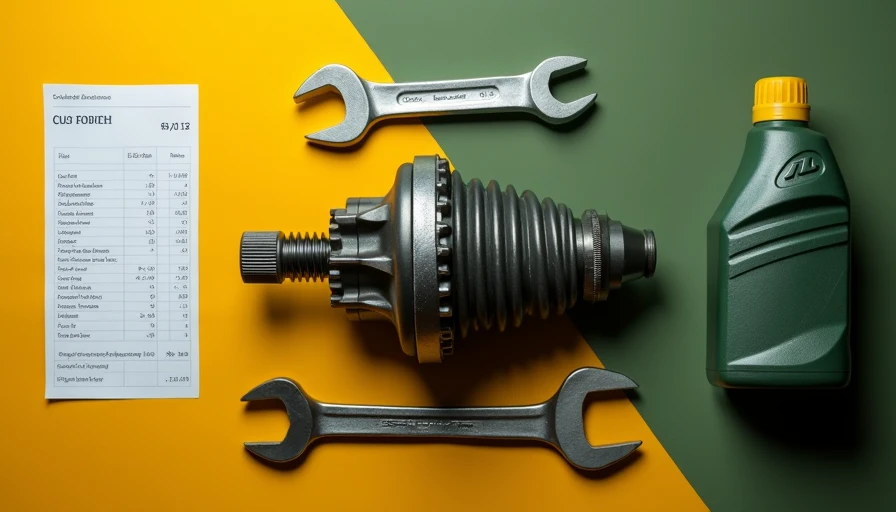
Doing the job yourself can cut the **rear differential fluid change cost** in half. You'll need a drain pan, a socket set, a fluid pump (about $10), and the correct gear oil. For a typical car, total outlay is **$40 to $80** for the fluid and supplies. If you already own tools, you pocket the labor savings. Keep in mind: some differentials don't have drain plugs — you have to remove the cover and re-seal it with RTV silicone. That adds complexity but is still doable with a service manual.
**Quick Quiz:** Before you start, do you know the manufacturer's recommended fluid viscosity? Using the wrong weight (like 75W-90 vs 80W-140) can cause poor lubrication or damaged components. Always check your owner's manual.
When Should You Change the Fluid?
Most automakers recommend a **rear differential fluid change every 30,000 to 60,000 miles**. Severe driving — towing, off-roading, frequent stop-and-go — shortens that interval. Some newer vehicles have “lifetime” fluid claims, but most mechanics advise changing it around 60,000 miles anyway. If you hear a low hum or growl from the rear axle, the fluid may be contaminated or low. Address it promptly to avoid costly repairs.
**System Diagram reference:** The differential housing sits in the middle of your rear axle. Look for the fill plug on the axle housing — it's typically a square or hex fitting. Never open the fill plug first if you suspect the fluid is low; you might not be able to refill it if it's completely empty.
What About Synthetic vs. Conventional Fluid?
Synthetic gear oils cost more upfront but offer better thermal stability and longer life. For most modern drivers, synthetic is worth the extra **$10 to $20 per quart** because it extends drain intervals. Conventional dino oil works fine for older vehicles with shorter change schedules. Always check if your differential requires a limited-slip additive — running standard fluid in an LS diff can cause clutch chatter and premature wear.
Real-World Examples of Rear Differential Fluid Change Cost
- **2018 Honda Accord (2.0T):** Independent shop quoted $145 total — $55 for 2 quarts of Honda OEM fluid, $90 labor. Took 40 minutes.
- **2015 Ford F-150 (4WD):** Dealer wanted $275 — $95 for 3 quarts of synthetic 75W-90, $180 labor. DIY would cost about $65.
- **2006 BMW 330i (RWD):** Specialty shop charged $240 for synthetic fluid and friction modifier plus $120 labor, total $360. Reason: limited-slip differential required specific fluid.
Final Takeaway
The **rear differential fluid change cost** is a small investment compared to a differential rebuild ($1,500–$4,000). If you're handy, the DIY route is straightforward on most vehicles and can save you over $100. If you prefer professional service, budget $150 to $300 and check reviews for a trusted independent shop. Remember: regular fluid changes protect your differential's gears and bearings — and that keeps your car on the road without unexpected breakdowns.
**Quick Quiz:**
- What is the typical interval for differential fluid changes? (Answer: 30,000–60,000 miles)
- What tool do you need to refill the differential? (Answer: A fluid pump)
- True or false: You should always open the fill plug before draining. (Answer: True — to ensure you can refill)
If you remember one concept from this post, make it this one: A $200 fluid change today can save you a $2,000 repair tomorrow.
Hidden Costs That Raise Your Rear Differential Fluid Change Cost
When budgeting for a rear differential fluid change cost, don't overlook potential extras. Some shops charge a "shop supply" fee for rags and disposal, adding $10–$20. If your differential cover has a damaged gasket, replacement can cost $5–$15. In severe cases, if the fluid is contaminated with metal particles, flushing may be required at an additional $50–$100. Also, verify whether the quoted price includes the friction modifier for limited-slip differentials — that additive can cost $10–$20 separately. Additionally, if your vehicle requires a specialty fill tool, the shop may add a small equipment fee. By asking for a detailed estimate upfront, you can avoid surprises and compare the true cost between providers. Always request a written breakdown that lists parts, labor, and any miscellaneous charges. For example, a 2019 Jeep Wrangler owner reported a base quote of $220, but after adding friction modifier ($18) and a new gasket ($12), the final bill was $250. The shop also charged a $15 environmental fee, bringing the total to $265 — a 20% increase over the initial estimate. To avoid such surprises, always ask for an "out-the-door" price before authorizing service. A transparent quote helps you choose the best value and prevents unexpected expenses.


No letters yet — be the first to write.