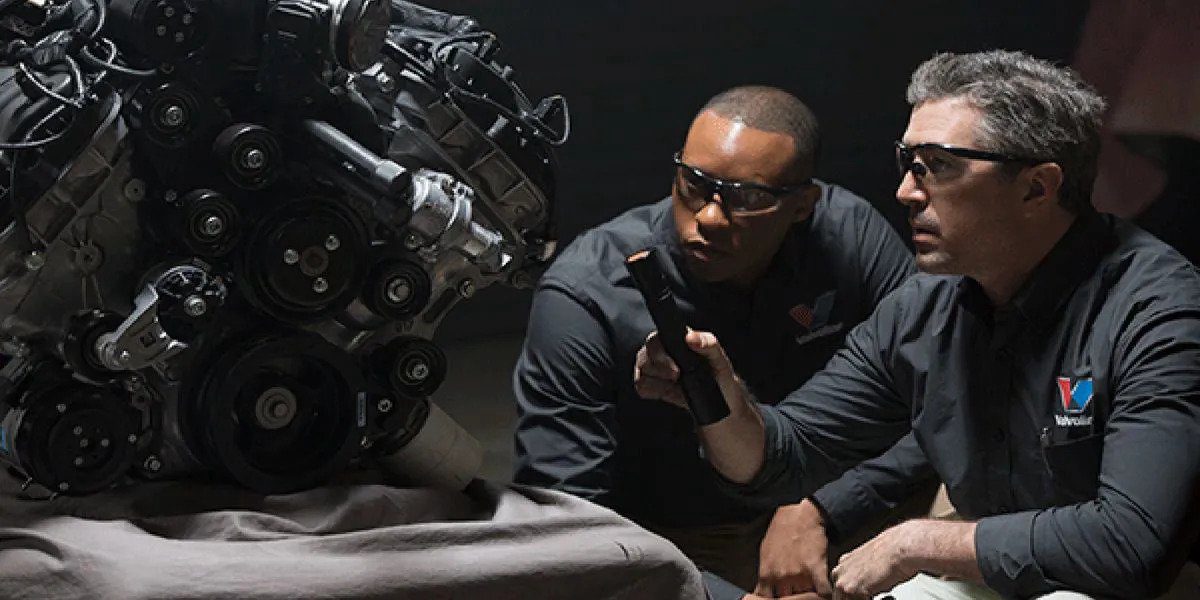
To frame this discussion properly: condition monitoring draws on real-time data to proactively tackle potential engine problems before they materialize, ensuring that maintenance tasks are performed with maximum efficiency and at precisely the right moment. Routine maintenance, by contrast, operates on a fixed schedule, working to head off problems through regular, predefined service intervals. The goal of this brief study is to examine both approaches — drawing on expertise from Valvoline's mechanics and their comprehensive range of automotive products — to identify which method provides the strongest engine protection.
Vehicle maintenance through condition monitoring centers on the continuous collection of real-time data, allowing potential failures to be caught and corrected before they actually occur. Beyond saving both time and money, this approach actively extends engine lifespan by keeping operational conditions at their best. The following is a closer examination of the methodologies and advantages that make condition monitoring an effective maintenance strategy.
- Advanced Diagnostics: Sophisticated sensors and diagnostic tools are capable of continuously evaluating the state of engine oil and transmission oil, generating alerts whenever abnormalities suggest an impending problem. This capability enables immediate corrective action, improving engine performance while heading off expensive repairs before they become necessary.
- Temperature and Pressure Sensors: Tracking oil pressure and engine temperature in real time, these sensors deliver critical data that guards against overheating and premature engine wear. By keeping the engine operating within safe parameters, accurate monitoring provides a reliable defense against potentially serious failures.
- Vibration Analysis: Through the examination of vibration patterns, this technique identifies operational anomalies — such as misalignments or imbalances — well before they escalate into actual damage. Catching these irregularities early through vibration analysis makes it possible to schedule maintenance proactively, avoiding more extensive deterioration.
- Oil Analysis: Periodic laboratory testing of oil samples yields a wealth of information about engine health, from the detection of metal shavings and soot content to measurements of acidity levels — all of which point to wear and contamination. This form of analysis plays a key role in prolonging engine life by triggering timely interventions based directly on oil condition.
- Cost Efficiency: By directing attention only toward issues that show signs of developing into actual failures, condition monitoring can substantially reduce expenditures associated with unnecessary maintenance.
- Extended Equipment Life: Consistent monitoring combined with prompt intervention protects critical engine components, ultimately improving the long-term dependability of your vehicles.
- Downtime Reduction: Predictive maintenance enables repairs to be scheduled during periods when vehicles are not in service, minimizing disruptions and ensuring that cars, trucks, and vans remain available whenever they are needed.
Routine maintenance represents the bedrock of vehicle upkeep, built around scheduled services that are fundamental to sustaining engine longevity and reliability. This section examines the core elements of routine maintenance and underscores its indispensable role in responsible automotive care.
- Regular Oil Changes: Replacing engine oil and transmission oil at manufacturer-recommended intervals prevents contaminant buildup while keeping lubrication and cooling at their optimal levels.
- Fluid Replacements: Periodically renewing fluids — including car coolant, brake fluid, and transmission fluid — ensures that vehicle systems run efficiently and remain protected from wear and corrosion. The objective is for all critical systems, including brakes and steering, to perform dependably across every driving condition.
- Filter Changes: Swapping out oil, air, and fuel filters on a consistent schedule shields engines from damaging debris and keeps performance at its peak. Clean filters are fundamental to sustaining proper airflow and fuel economy, both of which contribute directly to engine health and overall efficiency.
- Belt and Hose Inspections: Scheduled inspections and timely replacement of belts and hoses eliminate the risk of sudden failures and the costly repairs that follow from neglected wear and tear. Catching early signs of deterioration or damage through regular checks allows for replacement before any catastrophic breakdown can occur.
- Reliability and Safety: Keeping up with routine maintenance ensures every critical system operates as it should, making road travel significantly safer for all involved.
- Cost Savings: While routine maintenance does require recurring expenditure, it effectively prevents the far greater costs that arise from major repairs or full engine replacements resulting from neglect.
- Resale Value: Vehicles with thorough maintenance histories command stronger resale prices. When the time comes to refresh your fleet, prospective buyers who prioritize vehicle condition and care will recognize and reward that diligence.
The decision between condition monitoring and routine maintenance ultimately hinges on your particular situation — the nature of your vehicles and how they are used — though combining both strategies frequently delivers the most comprehensive engine protection available. Valvoline products, including the Valvoline PREMIUM BLUE diesel engine oil, offer flexible solutions well suited to supporting either approach, providing outstanding engine protection, extended oil life, and consistent performance across a wide range of operating conditions. In the end, pairing high-quality products with a blended maintenance strategy is the surest path to a healthier engine and a more economical long-term maintenance plan.



No letters yet — be the first to write.