If you have ever stood in an auto parts aisle staring at oil labels, wondering **what is low SAPS oil**, this topic matters for one simple reason: the wrong oil can shorten the life of expensive emissions hardware. A diesel particulate filter, or DPF, can cost a lot to replace. So can a catalytic converter. Let's start with the basics and build from there. Low SAPS oil is engine oil formulated with reduced **sulfated ash, phosphorus, and sulfur**. Those three substances help describe how the oil and its additive package behave during combustion and over long service intervals.
Low SAPS Defined in Plain English
SAPS stands for **sulfated ash, phosphorus, and sulfur**. Sulfated ash is the ash left behind when certain oil additives burn. Phosphorus and sulfur are chemical elements commonly present in anti-wear and detergent additive packages. These additives are useful, but too much of them can create trouble in modern engines equipped with aftertreatment systems.
Aftertreatment means the emissions-control components that clean exhaust after it leaves the engine. Common examples include the catalytic converter on gasoline vehicles and the DPF on many diesel vehicles. When oil is burned in tiny amounts during normal engine operation, ash can collect in those systems. Unlike soot, ash does not simply burn away during regeneration, which is the self-cleaning process used by many DPF-equipped diesels.
So, **what is low SAPS oil** really about? It is about balancing engine protection with emissions-system protection. The oil still needs detergents, dispersants, and anti-wear additives, but the formula is tuned to reduce deposits that can clog or poison emissions components.
Why Modern Engines Need It
Modern engines are cleaner, more efficient, and less tolerant of incorrect fluids than older designs. Many late-model diesel engines use a DPF to trap soot. Many gasoline direct-injection and turbocharged engines rely on sensitive catalytic converters and low-emissions calibrations. In these systems, oil chemistry matters beyond lubrication alone.
A DPF captures particulate matter, then periodically heats up to burn soot off. Ash is different. It accumulates over time and slowly reduces filter capacity. That can lead to more frequent regenerations, reduced fuel economy, and eventually a costly service visit. On the gasoline side, excess phosphorus can contribute to catalytic converter degradation over time.
This is why manufacturers often specify low SAPS formulas under standards such as ACEA C categories or certain OEM approvals from brands like Mercedes-Benz, BMW, Volkswagen, or GM. Those approvals are not marketing fluff. They are engineering targets for wear control, emissions compatibility, and drain interval performance.
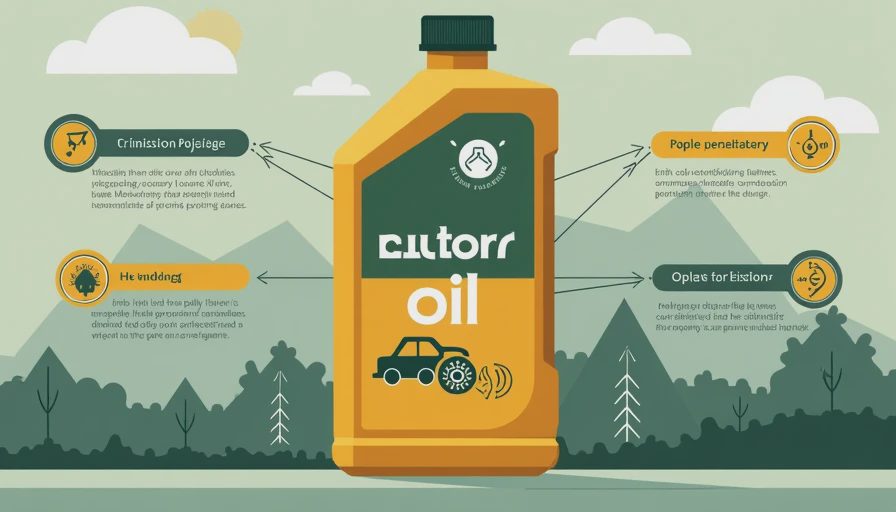
System Diagram reference: picture the engine on the left, exhaust on the right, and a chain between them. Oil chemistry affects not only bearings, camshafts, and turbochargers inside the engine, but also the DPF and catalyst downstream in the exhaust.
What Low SAPS Oil Does and Does Not Do
Low SAPS oil does not mean weak oil. That is a common misunderstanding. A properly approved low SAPS formula can still offer strong wear protection, oxidation resistance, and sludge control. Oxidation resistance means the oil resists thickening and breakdown from heat and oxygen. Sludge control means it helps keep contaminants suspended so they can be trapped by the oil filter instead of forming deposits.
What changes is the additive balance. Oil formulators work within limits for ash, phosphorus, and sulfur while still protecting moving parts. That is why approvals matter so much. Two bottles can both say synthetic, but only one may meet the exact specification your engine requires.
Another important point: low SAPS oil is not automatically better for every vehicle. If your owner's manual calls for a different oil standard, use that standard. Older engines that were designed around higher-SAPS formulations may not benefit from switching just because low SAPS sounds advanced. The correct answer is the oil that matches the engine design, emissions equipment, and manufacturer approval.
If you remember one concept from this post, make it this one: low SAPS oil protects both the engine and the emissions system when the manufacturer specifically calls for it.
How to Tell If Your Car Needs Low SAPS Oil
Start with the owner's manual. Look for the exact oil specification, not just the viscosity. Viscosity is the grade such as 5W-30 or 0W-20. Specification is the performance standard such as ACEA C3, dexos2, VW 507 00, or MB 229.51. The viscosity tells you how thick the oil behaves in cold and hot conditions. The specification tells you whether the oil meets the chemistry and performance requirements for your engine.
You will often find **what is low SAPS oil** answered indirectly on the label. The bottle may not say low SAPS in huge letters, but it may list an ACEA C-category or a manufacturer approval associated with low- or mid-SAPS performance. European vehicles are especially likely to require this.

If you drive a diesel SUV, a turbo diesel pickup, or a European gasoline car with specific emissions-system requirements, pay close attention. Parts stores like AutoZone, O'Reilly, and NAPA usually stock oils from Mobil 1, Castrol, Pennzoil, Valvoline, and Liqui Moly that carry these approvals, but you still need to read the back label carefully. Close is not the same as correct.
Common Buying Mistakes to Avoid
The biggest mistake is matching only the viscosity and ignoring the approval. A bottle of generic 5W-30 that lacks the required spec can be the wrong choice even if the engine seems to run fine at first. Oil-related emissions damage usually shows up slowly, not overnight.
The second mistake is assuming every full synthetic oil is interchangeable. Full synthetic describes the base oil quality more than the additive chemistry. It does not guarantee low SAPS performance.
The third mistake is mixing emergency top-off habits into routine maintenance. In a true emergency, adding a small amount of the closest correct oil is better than running dangerously low. But at your next change, go back to the exact approved product.
Quick Quiz:
- What does SAPS stand for? Sulfated ash, phosphorus, and sulfur.
- Why does low SAPS matter? It helps protect emissions components like DPFs and catalytic converters.
- What should you check first? The exact oil specification in the owner's manual.
A final practical note: low SAPS oils often cost a few dollars more per jug, but that is tiny compared with the price of a DPF cleaning, catalyst replacement, or turbo-related deposit problem. If your manual calls for it, buy the right oil the first time.



No letters yet — be the first to write.