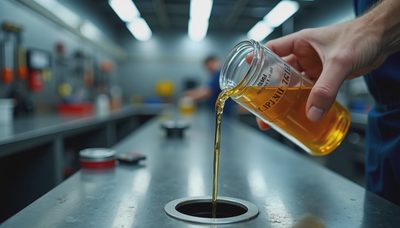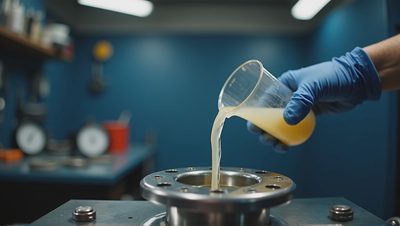
Among the many tools available for machine maintenance, oil and fluid analysis ranks as one of the most critical. This diagnostic process plays a fundamental role in keeping machinery running efficiently while substantially prolonging its operational lifespan. By carefully examining factors like oil viscosity and contamination levels, organizations can get ahead of emerging problems, minimizing unplanned downtime and controlling costs. This article explores the key reasons why scheduled professional oil analysis should be a cornerstone of any maintenance program.
Oil and fluid analysis is a preventive, diagnostic maintenance approach that tests and evaluates the condition of lubricants and fluids used across various machinery and equipment types. The analysis enables technicians to assess equipment health and efficiency while predicting potential failures before they materialize. Typically, the process begins with collecting samples of the oil or fluid in use, which are then forwarded to a laboratory for detailed testing. A range of tests are performed in the lab to assess properties including oil viscosity, contamination levels, wear metal content, and the chemical composition of the fluid. The following points illustrate why investing in this diagnostic approach delivers significant value.
Routine oil analysis forms the foundation of any sound predictive maintenance strategy. Systematically testing oil samples drawn from your equipment provides deep visibility into the internal condition of machinery. This approach enables early identification of wear particles and contaminants that signal developing problems. Catching these indicators early allows maintenance teams to carry out precise, targeted repairs before minor issues escalate into expensive failures. In addition, this forward-looking approach makes it possible to schedule maintenance activities during off-peak windows, limiting disruption to overall operational efficiency.
Ongoing oil analysis is essential to preserving and improving machine performance. A central element of this is monitoring and sustaining the correct oil viscosity. Proper viscosity minimizes internal friction, which simultaneously reduces component wear and optimizes energy consumption. Regular testing helps detect shifts in oil properties that may point to underlying conditions such as temperature variation or contamination. Promptly resolving these conditions keeps machinery functioning within its ideal operating parameters, extending its useful life and supporting consistent, reliable performance.
Catching problems at an early stage translates directly into financial savings. Addressing issues before they worsen eliminates the need for large-scale, costly repairs or outright replacement of machinery components. Keeping equipment in peak condition through consistent analysis also means less downtime and more productive operating hours. This efficient allocation of resources delivers near-term cost reductions while also supporting a more sustainable, cost-effective operation over time.
Monitoring oil condition and extending its service life reduces the frequency of required oil changes, cutting down on waste and the environmental burden associated with used oil disposal. Improper oil disposal in particular can cause:
Beyond disposal concerns, well-maintained machinery consumes less energy, operates more efficiently, and generates fewer greenhouse gas emissions. This proactive maintenance philosophy reduces the carbon footprint of operations and aligns naturally with the growing global focus on sustainable business practices. Implementing a regular oil analysis program can serve as a visible, measurable demonstration of a company's dedication to environmental responsibility.
Routine analysis of oil samples can surface underlying equipment problems that, left unattended, could lead to machinery failure and potentially dangerous working conditions. Early identification of these issues allows companies to take corrective action and protect the safety of their workforce. This is especially important in sectors where equipment failure can trigger serious accidents or major operational disruptions. Additionally, consistent oil analysis supports the maintenance of machinery in accordance with applicable safety standards and regulations, reducing exposure to violations and associated penalties.
In numerous industries, compliance with strict regulatory standards is not merely good practice — it is a legal obligation. Routine oil analysis is a pivotal mechanism for confirming that equipment operates within these prescribed parameters. Regular testing and oil monitoring generates documentation and records that serve as evidence of compliance during audits and inspections. This practice also helps flag deviations from established standards, enabling timely corrective action. By upholding compliance through oil analysis, businesses protect themselves from costly fines, legal exposure, and reputational harm.
The value of routine oil analysis is difficult to overestimate. It represents a direct investment in the longevity and performance of your equipment. Integrating regular oil analysis into your maintenance program protects your machinery, your financial resources, the environment, and the well-being of your workforce. Make fluid analysis provided by Valvoline a permanent fixture of your operational strategy to capture these wide-ranging, lasting benefits.